You want luxury and the best address
Paradise Valley, Arcadia, Biltmore hillsides

(From Someone Who Actually Lives Here)
Look, I get it. You’ve been Googling different neighborhoods in Phoenix for weeks now, and you’re drowning in information that all sounds the same.
After 26 years of helping families find homes here (and raising my own kids in these streets) I can tell you this:
The Valley isn’t just “Phoenix.” It’s a bunch of distinct communities, each with its own personality, perks, and quirks. And once you figure out which ones match how you actually want to live? The whole search gets way easier.
So grab a coffee. This is my no-BS breakdown of the Northeast Phoenix corridor I know inside and out, where I’ve watched neighborhoods evolve, seen property values shift, and helped hundreds of families land in exactly the right spot.
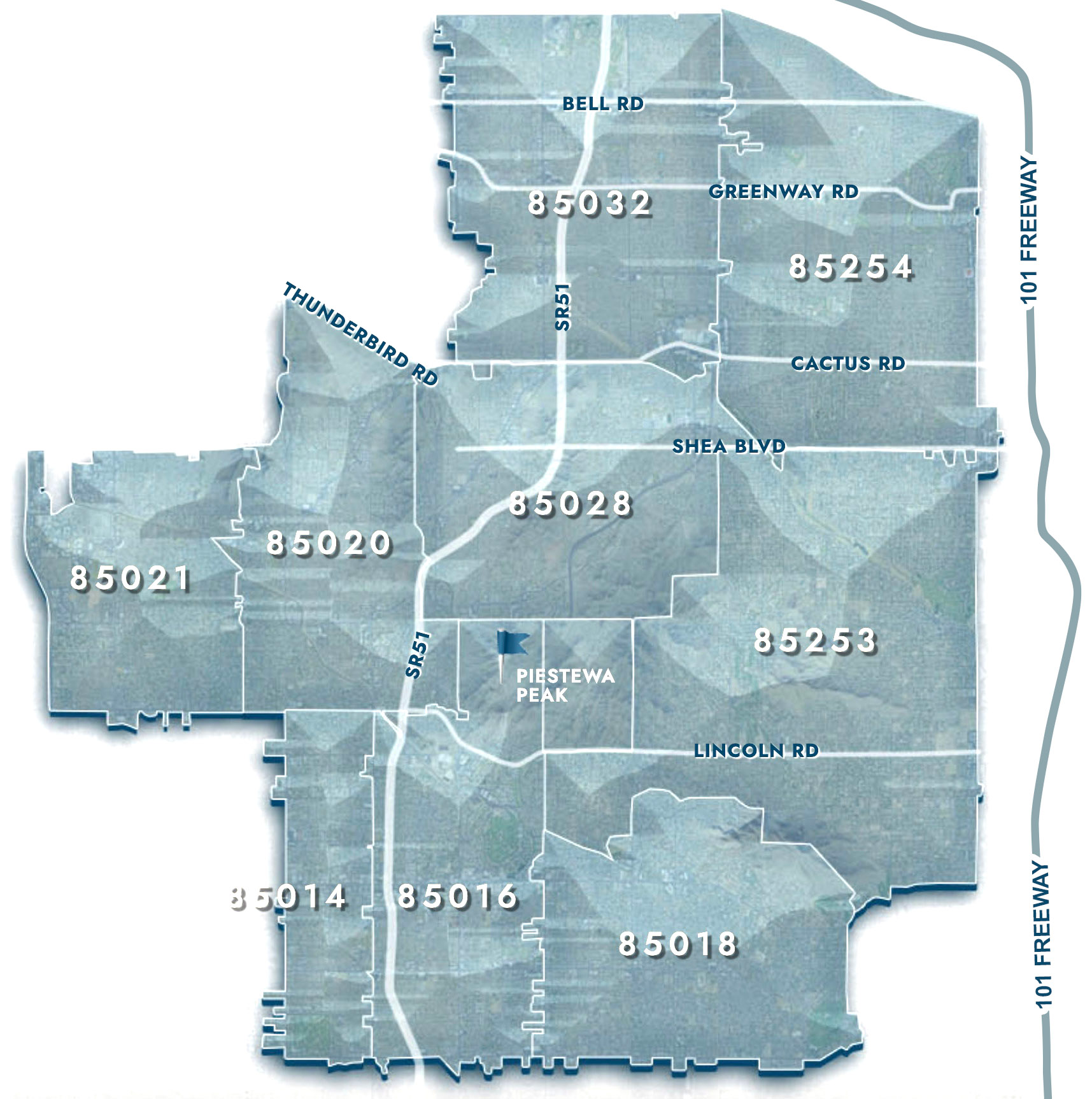
Click any zip code below to explore homes, lifestyle, pricing, and local insights.
The Magic Zip Code
Median Sale Price: $895,000
Neighborhoods:
Area Highlights:
North Paradise Valley Village
Median Sale Price: $470,000
Neighborhoods:
Area Highlights:
The Sheaborhood/Shea Corridor
Median Sale Price: $709,700
Neighborhoods:
Area Highlights:
Northeast Foothills/Piestewa Peak
Median Sale Price: $420,000
Neighborhoods:
Area Highlights:
North Central Phoenix
Median Sale Price: $465,000
Neighborhoods:
Area Highlights:
Median Sale Price: $3,525,000
Neighborhoods:
Area Highlights:
Arcadia
Median Sale Price: $1,000,000
Neighborhoods:
Area Highlights:
Biltmore/Piestewa Peak
Median Sale Price: $595,000
Neighborhoods:
Area Highlights:
Uptown & Midtown
Median Sale Price: $525,000
Neighborhoods:
Area Highlights:
Simple: I’m going to save you from the overwhelm.
Instead of comparing 50+ neighborhoods in Phoenix, we’re focusing on eight that I genuinely believe offer the best combination of location, lifestyle, and long-term value. In my opinion, they are the best neighborhoods in Phoenix.
We’ll look at two main categories:
Then we’ll match your real life (your commute, your kids’ ages, your budget, your weekend plans) to the places that actually make sense. Sound like a plan? Let’s Roll!

I’ve had this conversation about a thousand times. It always comes down to these four factors.
Phoenix runs on freeways. Period.
SR-51, Loop 101, Loop 202, and I-10 are the arteries that make this city work. Your relationship to these roads will determine whether you spend 25 minutes jamming to podcasts or 90 minutes contemplating your life choices.
My advice? Pick your house based on your office location first, everything else second.
If you’ve got kids (or plan to), districts matter. A lot.
The ones that consistently show up on buyer wishlists around here:
Paradise Valley Unified School District (PVUSD)
Scottsdale Unified School District (SUSD)
Madison Elementary School District (tucked in the northeast foothills)
Glendale Union High School District (GUHSD – covers parts of North Central)
And look, charters and private schools are huge here. Great Hearts, BASIS, and others have campuses all over. But they fill up fast, so start researching before you close escrow.
This is one of the best parts about living here.
Want to hike before your first Zoom call? You can.
-Piestewa Peak and Dreamy Draw
-Camelback Mountain
-The entire Phoenix Mountains Preserve
If having a trailhead ten minutes from your front door matters to you (and honestly, it should), that’s a filter we can absolutely use.
Here’s the deal:
Premium neighborhoods in Phoenix like Arcadia and Paradise Valley? You’re paying top dollar for mountain views, mature trees, top-tier schools, and a name that impresses your relatives.
Well-established areas like North Central, The Sheaborhood, or Scottsdale 85254? You’re getting solid quality, great access, and actual value, without sacrificing the good life.
Where Luxury Lives
Buyers who want the best address, the best views, and don’t mind paying for it.
This is classic Phoenix luxury with a neighborhood vibe.
What you’re getting:
-Big lots with real grass and mature shade trees
-Stunning Camelback Mountain as your backdrop
-Walking distance to restaurants and shops along Camelback Road and Indian School
-A mix of original mid-century ranches and gorgeous new custom builds
People fight over homes here. It’s that simple.
The Biltmore area has range (and I mean that in a good way).
You’ve got:
-Lock-and-leave condos and townhomes for the jet-setter crowd
-Gated single-family communities for families who want security and low maintenance
-Hillside homes with jaw-dropping views of Piestewa Peak
Plus, you’re next door to the Arizona Biltmore, Biltmore Fashion Park, and some of the best hiking in the city.
Technically its own town, but let’s be real…It’s Phoenix’s crown jewel.
-Massive custom estates on sprawling lots
-Private roads, no through traffic
-Views that cost seven figures (and up)
-The kind of quiet that money buys
This is where you go when you want space, privacy, and the best of everything.
The good stuff:
Strong resale value, instant prestige, close to Downtown Phoenix and Sky Harbor Airport, surrounded by great dining and shopping.
The reality check:
High purchase prices mean high property taxes and maintenance costs. Older luxury homes can cost a fortune to update. And if you want a giant lot with total privacy, you might sacrifice some convenience.
Quality Without the Premium Price Tag
Families who want great schools, solid homes, easy freeway access, and real value.
This is one of my personal favorites.
Tucked just north of Piestewa Peak along Shea Boulevard, you’re getting:
-Homes that sit right up against the Phoenix Mountain Preserve
-Quiet, safe streets with a real neighborhood feel
-SR-51 access that puts you downtown in 15 minutes
-A sweet spot between price and location
If you want to be close to everything without living on top of it, start here.
-Minutes from Piestewa Peak and Dreamy Draw hiking
-Madison Elementary School District (highly rated)
-Direct SR-51 access
-Mature trees, well-kept homes, and mountain views throughout
Old-school Arizona charm meets modern family living.
-Classic ranch homes on actual-sized lots (with grass!)
-Tree-lined streets that feel like a postcard
-Madison Elementary and Glendale Union High School District
-Fast access to SR-51 and central Phoenix employers
There’s a reason people call it that.
-Top-tier Scottsdale Unified schools
-Beautiful master-planned communities with parks and paths
-Quick Loop 101 access in every direction
-Strong resale values that don’t quit
The upside:
Excellent schools, fast freeway access, great hiking nearby, and legitimate value for what you’re getting.
What to watch:
Some homes need updating (hey, they’re older, like me). HOAs vary wildly in cost and rules. And pricing can swing dramatically street by street depending on lot size and views.
Here’s the shortcut version:
Let’s talk money.
-How close you are to major freeways
-School quality and district boundaries
-Mountain or city views
-Lot size and mature landscaping
-Home condition and age
-Community amenities and HOA costs
SR-51, Loop 101 (East and West), Loop 202, and I-10.
Master these and you’ll understand how the whole Valley connects.
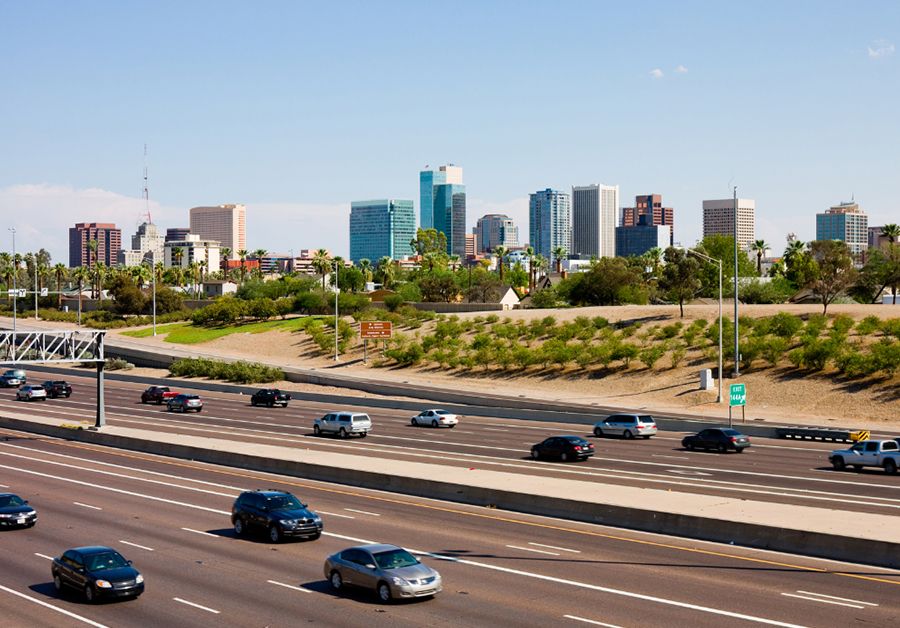
Drive your would-be commute during actual rush hour. Not at noon on a Tuesday. At 7:45 a.m. and 5:15 p.m. You’ll thank me later.
Summers are brutal. You’ll be indoors or at a pool from noon to 7 p.m.
But October through May? That’s why we’re all here. Perfect weather, outdoor everything, and a lifestyle that revolves around patios, hiking, golf, and never wearing a winter coat.
(Double-Check Exact Boundaries)
-North Central → Madison Elementary and GUHSD (Sunnyslope High School)
-Northeast Phoenix/Piestewa Peak → Madison Elementary and often PVUSD
-Paradise Valley Village (85032) → Frequently PVUSD
-Scottsdale 85254 → Scottsdale Unified
-Biltmore and Arcadia → Biltmore-Mostly Madison Meadows, Arcadia-Scottsdale Unified School District
Again, charter and private school options can completely change your home search strategy. Research them early.
The Neighborhoods In Phoenix that I specialize in are established and mature. You’re getting built-out retail, shade trees, developed parks, and shorter commutes to central Phoenix and Sky Harbor.
Homes here might be older and need updating, but they hold value like crazy because of location and scarcity.
Premium luxury or smart middle ground?
Commute length? School district? Lot size? Home age? Views?
Tour them at different times – morning, evening, and rush hour.
I’ve spent 26 years in these exact neighborhoods-85028, 85020, 85016, 85018, 85021, 85032, 85253, 85254. I’ve walked these streets with my family and with hundreds of clients just like you.
If you’re tired of scrolling through generic neighborhood guides and you’re ready for someone who actually knows what it’s like to live here, give me a call.
I’ll help you figure out where you belong, day one.
—Bob Hertzog
Your Phoenix Real Estate Dad
1) Which Phoenix neighborhoods are still affordable and feel safe?
There are still Phoenix neighborhoods where buyers can find good value without feeling uncomfortable. Areas like The Sheaborhood, North Paradise Valley Village, and parts of North Central Phoenix often offer newer homes, stable communities, and more reasonable pricing. Many buyers also expand their search to suburbs such as Peoria, Surprise, Goodyear, Buckeye, and Maricopa for affordability and peace of mind. In Phoenix, safety usually comes down to the specific pocket rather than the entire zip code. Want help narrowing this down? Book a quick call.
2) How much does safety and crime vary by Phoenix neighborhood?
Safety can vary dramatically by neighborhood, and sometimes by block. Phoenix isn’t a city where headlines or broad crime maps tell the full story. Buyers should look at recent local data, visit the area at different times of day, and pay attention to pride of ownership and upkeep. Local insight almost always matters more than citywide averages. If you want real local context, let’s talk.
3) Which neighborhoods in Phoenix are best for families with kids?
Families typically start with school districts and work backward to neighborhoods. Areas connected to Paradise Valley, Scottsdale, Chandler, Gilbert, and Deer Valley districts are popular for their academics, parks, and family amenities. These neighborhoods often come with higher price points, but border areas can sometimes offer a better balance of cost and school access. Not sure which school areas fit your budget? Book a call.
4) What Phoenix neighborhoods are most walkable and manageable in extreme heat?
Walkability in Phoenix is very neighborhood-specific. Central Phoenix, Midtown, and older planned areas tend to have more shade, mature trees, and closer access to daily amenities. Newer master-planned communities may be less walkable but often include trails, parks, and community centers. In summer, shade and layout usually matter more than temperature alone. Want help finding a comfortable layout? Let’s chat.
5) Where should remote workers or tech professionals live in Phoenix?
Remote and hybrid workers often prioritize lifestyle over commute time. Areas like Scottsdale, North Phoenix, Mesa, and parts of the West Valley offer strong amenities, connectivity, and access to employment hubs when needed. If you’re not commuting daily, it usually makes sense to choose the neighborhood you’ll enjoy living in rather than focusing only on drive times. Happy to help match lifestyle to location — book a call.
6) How will freeway projects affect Phoenix commutes in 2026 and beyond?
Phoenix continues to expand and improve its freeway system, which can create short-term disruptions but long-term benefits. Projects along Loop 101 and I-10 will affect areas like North Scottsdale, Peoria, and the West Valley. Buyers should think about where traffic patterns are heading, not just what today’s commute looks like. Want to factor future commutes into your search? Let’s talk.
7) Which neighborhoods in Phoenix are up-and-coming versus already built out?
Some buyers want growth potential, while others want stability. Areas like Buckeye, Surprise, Goodyear, and developing East Valley corridors are seeing major infrastructure investment and new construction. Established neighborhoods closer to the city offer mature landscaping and predictability, but pricing usually reflects that stability. Not sure which type of area fits you best? Book a call.
8) How do Phoenix housing policies affect where buyers can still find value?
Phoenix has increased housing supply through zoning changes and new development, especially townhomes, condos, and mixed-use projects. Buyers who are flexible on housing type often uncover better options and pricing. In this market, flexibility often creates opportunity. If you want help spotting value, let’s chat.
9) Is daily life in Phoenix neighborhoods manageable during the summer?
Yes, if you choose the right neighborhood and plan accordingly. Areas with shade, covered parking, nearby amenities, and newer construction feel far more comfortable during summer months. Most residents adapt routines rather than avoiding outdoor life entirely. Neighborhood design plays a major role in comfort. Want help choosing a summer-friendly area? Book a call.
10) What are the best all-around neighborhoods in Phoenix for newcomers?
Many newcomers want balance rather than perfection. Areas like The Sheaborhood, North Paradise Valley Village, North Central Phoenix, and family-oriented suburbs tied to strong school districts are common starting points. These neighborhoods tend to check multiple boxes without major compromises and help make the transition easier. If you’re new to Phoenix, let’s talk through your options.
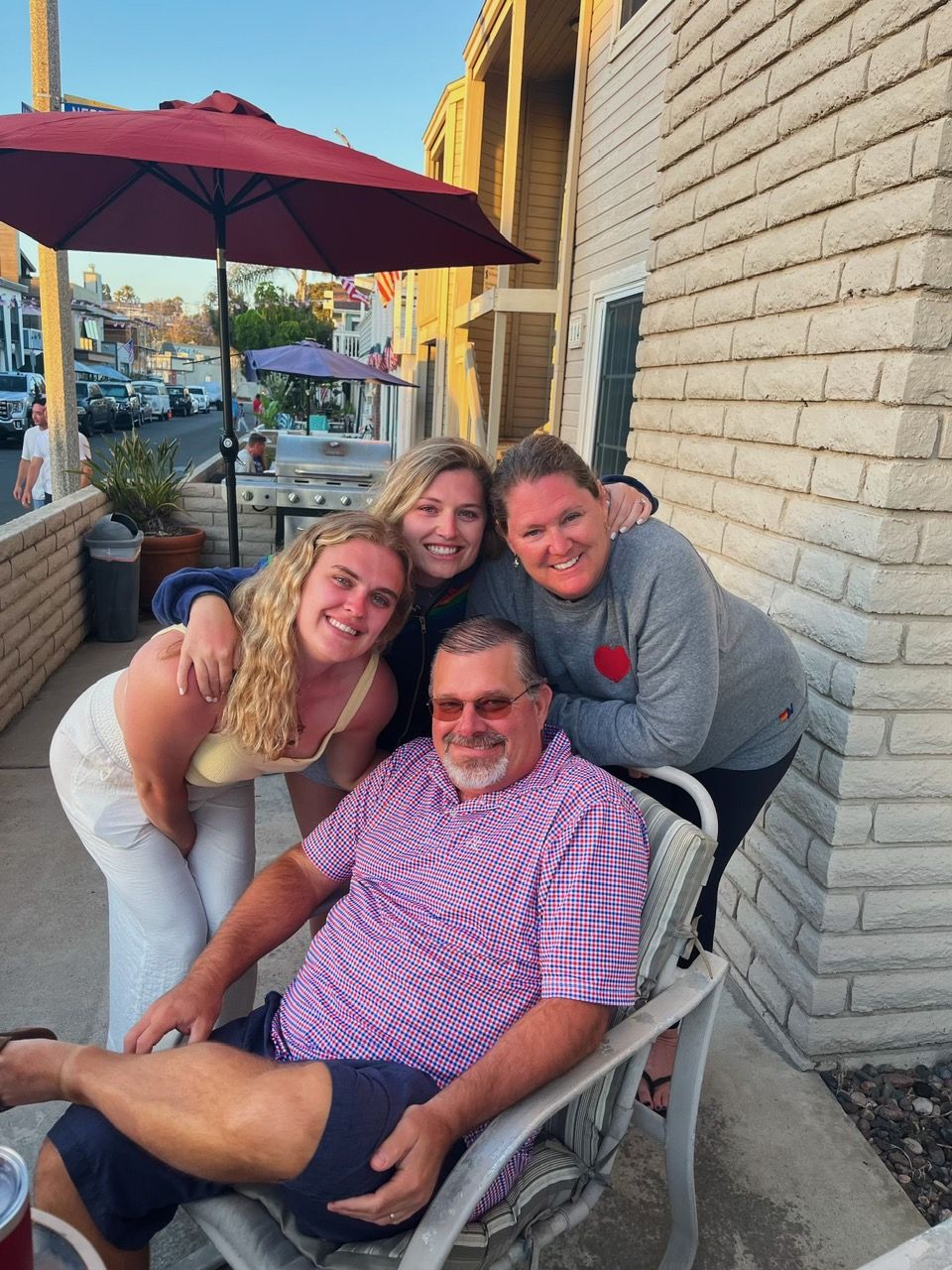
Bob Hertzog is the owner of The Bob Hertzog Home Selling Team at The Brokery and a top 1% Metro Phoenix REALTOR®, according to local MLS production.
Licensed since 1999, Bob brings more than 25 years of experience, 500+ closed transactions, and $300+ million in total career sales volume to buyers and sellers across Central and Northeast Phoenix.
A third-generation real estate agent who grew up in North Central Phoenix (85021) and has lived in 85028 (The Sheaborhood) for over 25 years, Bob is known locally as “Bob Hertzog – Your Real Estate Dad” for his honest guidance, deep neighborhood knowledge, and no-pressure approach.
Bob takes a consultative, trust-first approach focused on education, clarity, and long-term decision-making. He averages 18 transactions per year and is widely respected for his hyper-local insight, data-driven advice, and steady communication throughout the process.
Specializing in downsizing and retirees, relocation, luxury homes, move-up buyers, and condos/townhomes, Bob helps clients confidently navigate major life transitions — always prioritizing what he would recommend for his own family.
Office: 9845 N 22nd Pl. Phoenix, AZ 85028
Text: 602-957-1583
Request Call Back: Pick a time that works best for you
YouTube: Phoenix market insights, neighborhood guides, downsizing advice
Bob shares real-world Phoenix real estate advice through market insights, neighborhood breakdowns, and practical guidance — helping buyers and sellers make confident, informed decisions in today’s evolving housing market.