Living in Phoenix vs Glendale AZ: Your Real Estate Dad’s Honest Comparison
Moving to Phoenix vs. Glendale AZ: Which Valley City Fits Your Lifestyle

Moving to Phoenix vs. Glendale AZ: Which Valley City Fits Your Lifestyle
If you’re asking, “Phoenix vs Glendale, what’s the difference?” you’re probably wondering…
Do I want the variety and flexibility of a major city, or the suburban atmosphere and sports-centric lifestyle of one of the West Valley communities?
Phoenix and Glendale are part of the same metro area, but they could not be more different to live in․ It is my job as Your Real Estate Dad to tell you about each so that you make the best decision about where your budget, your commute, and your lifestyle make the best sense․
Let’s look at what this means in plain English․
Here’s the straight scoop:
Same desert climate. Very different daily rhythm.
| Category | Phoenix | Glendale |
| Overall feel | Big-city, diverse | Suburban, community-focused |
| Population | 1.6M+ | ~200,000 |
| Neighborhood variety | Very high | More uniform |
| Housing styles | Condos → luxury homes | Single-family, townhomes |
| Typical vibe | Urban + suburban mix | Family-oriented, laid-back |
| Entertainment | Spread citywide | Sports & Westgate-centered |
| Best for | Variety, central access | Value, space, West Valley living |
Both areas are part of the same metro economy, but have different housing values․
| Area | Cost Snapshot | Real Estate Dad Take |
| Phoenix | Wide range | Options at nearly every price point |
| Glendale | Often strong value | More space for the money |
Phoenix pricing varies dramatically by neighborhood – from condos in the $400s to luxury homes well over $1M.
Glendale more commonly offers:
Dad Translation:
Phoenix gives you choice.
Glendale gives you value and space.
In Phoenix, a given budget might mean:
In Glendale, the same budget often gets:
Real Estate Dad Insight: Glendale generally wins on space and predictability, yet Phoenix still wins on location and lifestyle․
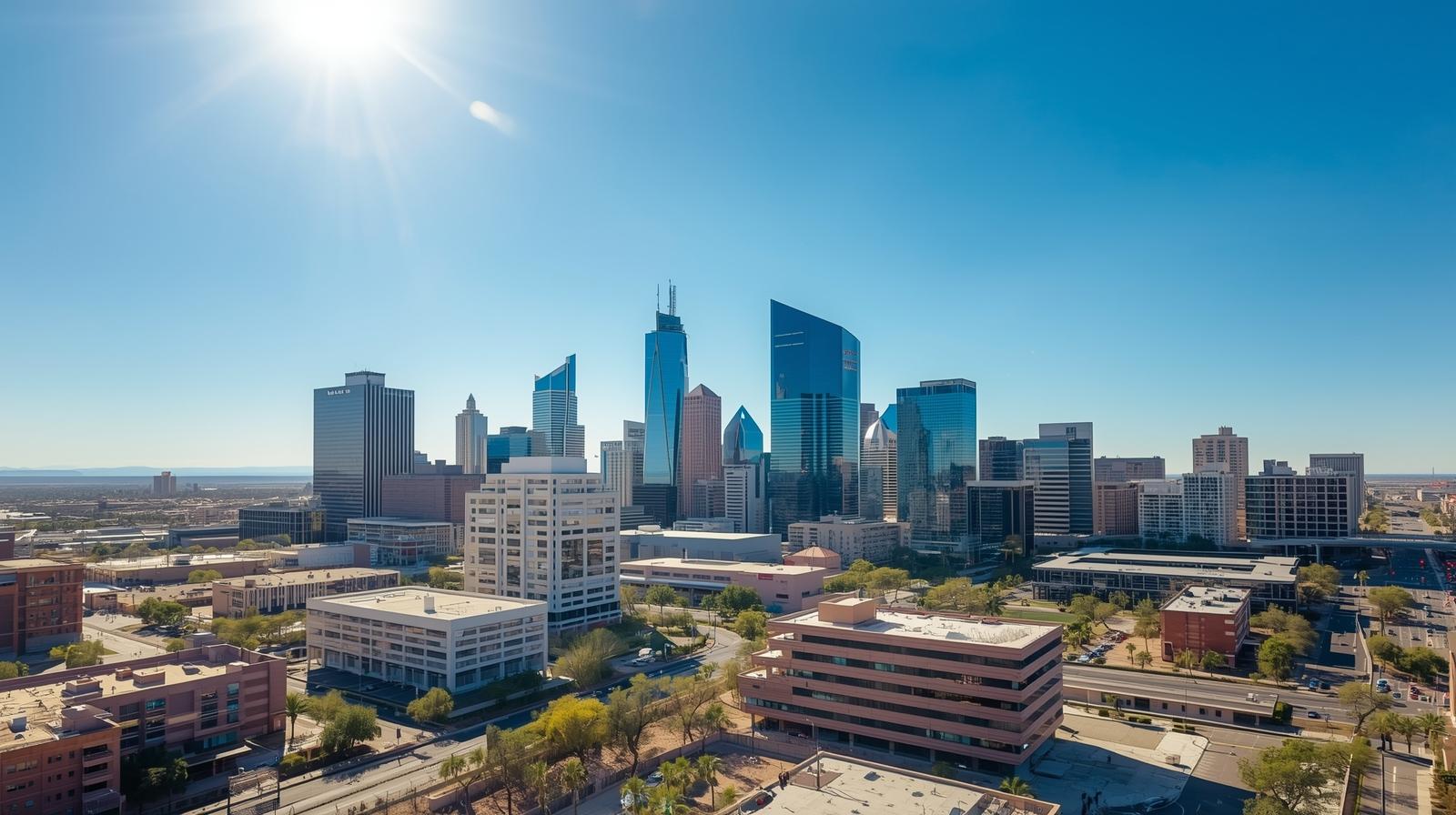
Phoenix has all of the big-city amenities:
You can live very urban (or very quiet) depending on the neighborhood you choose.
Glendale is a center for sports and entertainment:
Life is suburban, with the excitement coming from the game day experience itself․
Dad Translation:
Phoenix spreads its energy everywhere.
Glendale turns it on for big moments, then goes quiet again.
Dad Advice: If you work in downtown or the airport corridor, there’s no better option than Phoenix․ Otherwise, if you work in the West Valley or work from home, Glendale’s better․
Real Estate Dad Insight: Glendale feels more uniform and family-forward. Phoenix offers higher highs, but demands more careful location selection.
| Priority | Better Fit: Phoenix | Better Fit: Glendale |
| Urban culture & nightlife | ✅ | ❌ |
| Neighborhood diversity | ✅ | ❌ |
| Housing space per dollar | ⚠️ Area-dependent | ✅ |
| Sports venue proximity | ⚠️ Spread out | ✅ |
| West Valley job access | ⚠️ Commute | ✅ |
| Family-friendly suburbs | ⚠️ Area-specific | ✅ |
| Central airport access | ✅ | ❌ |
When deciding between Phoenix vs Glendale, ask yourself:
There’s no wrong answer, just two different ways to live in the Valley.
If you’d like help comparing specific Phoenix neighborhoods to Glendale areas, or narrowing this down based on commute, budget, or family needs, I’m always happy to help.
That’s Real Estate Dad advice – clear, practical, and grounded in real life.

As of 2026, Glendale’s cost of living is 3 to 5% less expensive than the Phoenix city average․ Utility costs for Valley communities are similar․ However, Glendale residents benefit from larger homes, more square footage, and larger lots at the same price as a smaller home in central Phoenix․
As of 2026, the median home price in Glendale is about $455,000, while in Phoenix, prices depend on neighborhood, with Central Phoenix and historic neighborhoods having median prices approaching or exceeding $500,000, while suburban North Phoenix is more similar to that of Glendale․
At rush hour, I-17 to Downtown Phoenix or Loop 101 can take as low as 25 minutes or as long as 40 minutes․ If you are commuting to the West Valley employment centers or working from home, the commute from Glendale is shorter than from the East Valley or South Phoenix․
Glendale is sometimes considered a better family option than Phoenix because of its neighborhoods being laid out more consistently and being composed of more small communities, as well as better local parks like Sahuaro Ranch․ Phoenix is better for charter schools and museums, but can involve searching harder for that specific neighborhood․
In Glendale, the northern areas near Arrowhead Ranch are consistently ranked among the safest. In Phoenix, neighborhoods like Desert Ridge, Arcadia, and Ahwatukee are highly rated. Both cities have “spotty” areas, so it is essential to check updated crime maps for specific zip codes before buying.
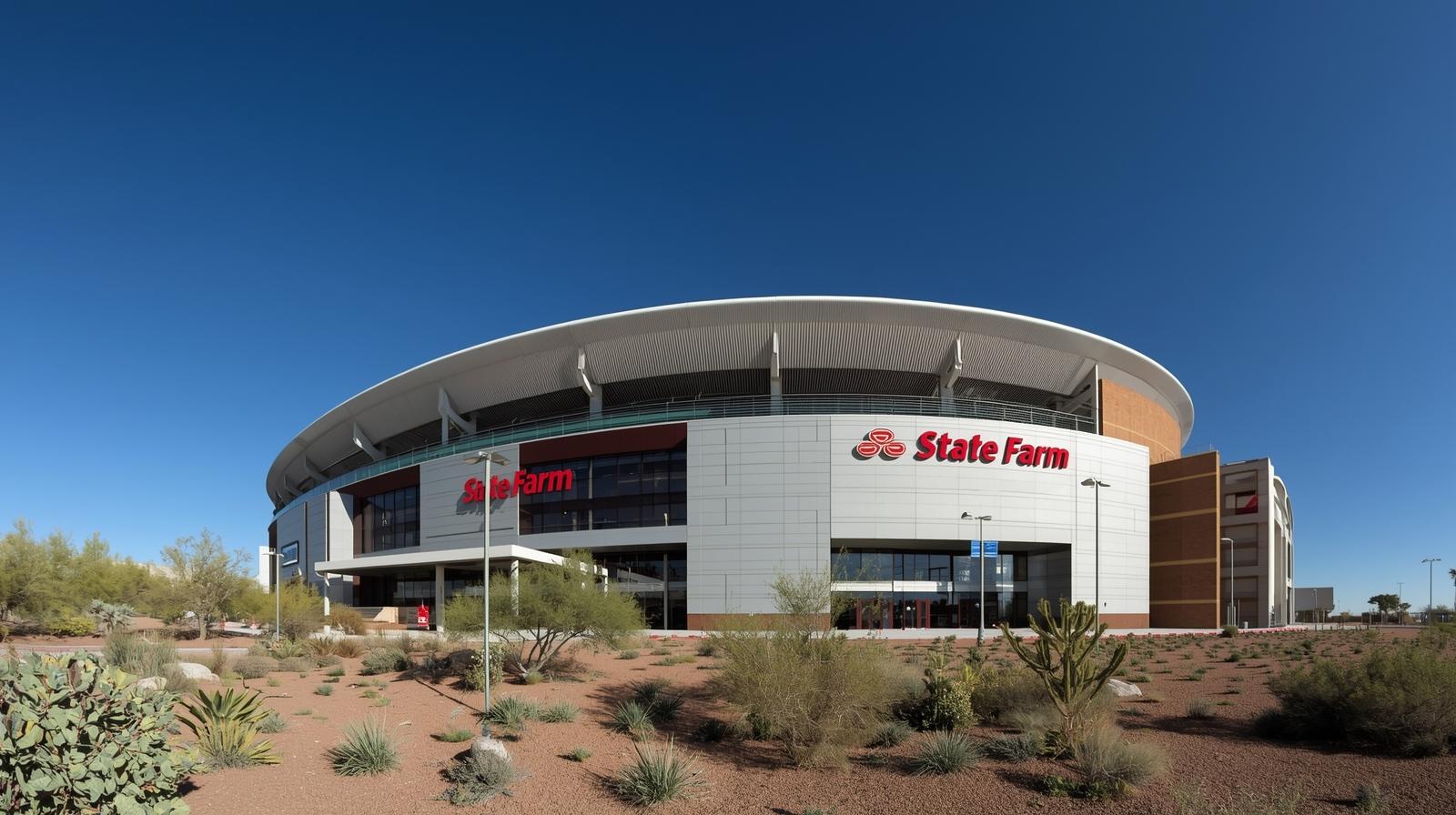
Although State Farm Stadium (NFL) and Westgate Entertainment District have established Glendale as a major destination, Phoenix has more “day-to-day” culture including Footprint Center (NBA), Chase Field (MLB), and the Roosevelt Row arts district as well as a more developed nightlife․
Public transit in Phoenix is far superior to Glendale․ Phoenix has the Valley Light Rail, which runs from North-Central Phoenix to Downtown Phoenix and the airport․ Glendale has very little public transit, no Light Rail station and thus remains almost entirely car-dependent․ This lack of public transit makes car ownership necessary for the enormous majority of Glendale residents․
Schools in the Deer Valley Unified School District in North Glendale have some of the highest ratings in the state․ The charter school networks BASIS Schools and Great Hearts Academies, which are located in Phoenix and serve the city, are also rated among Arizona’s best․
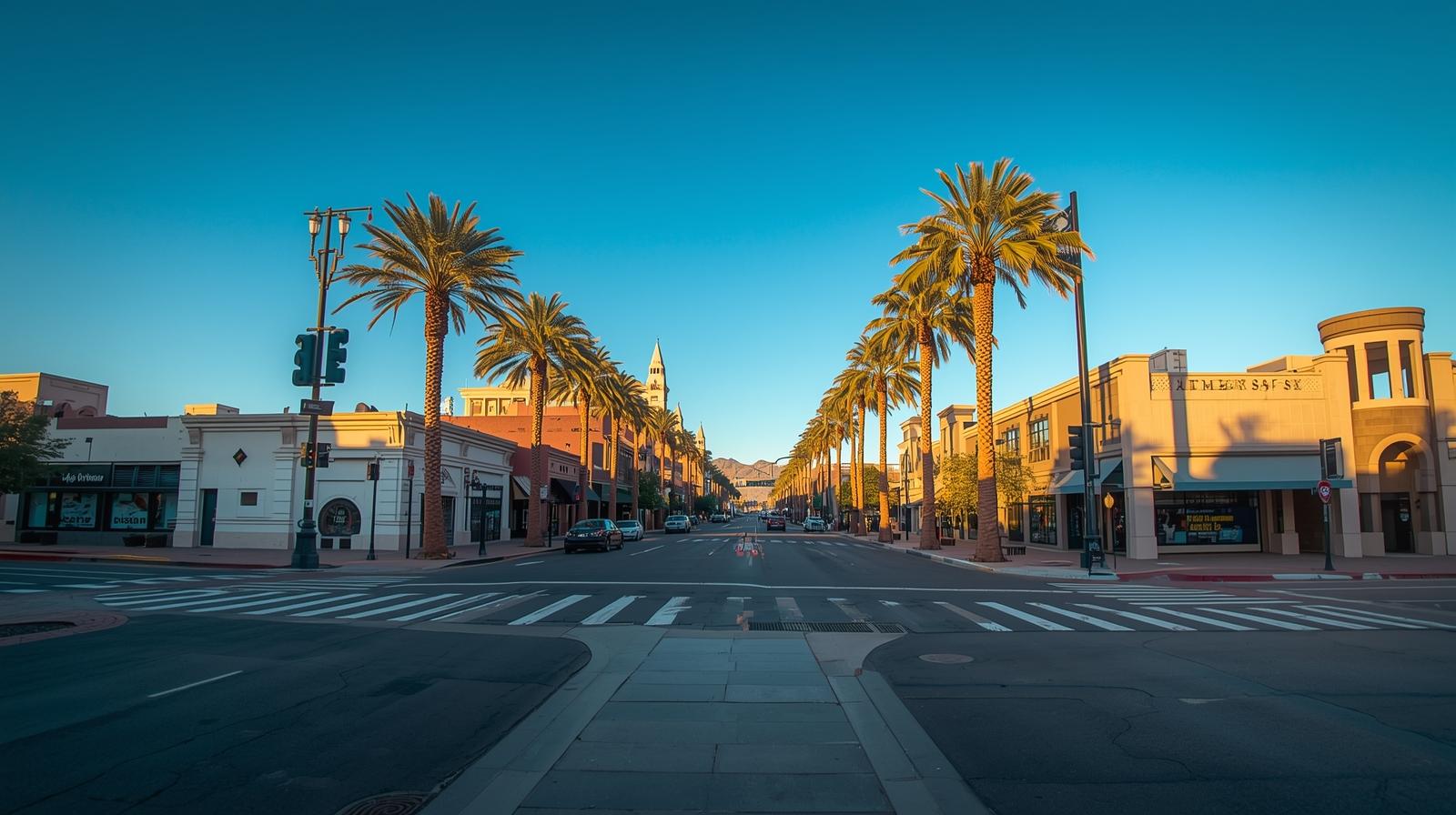
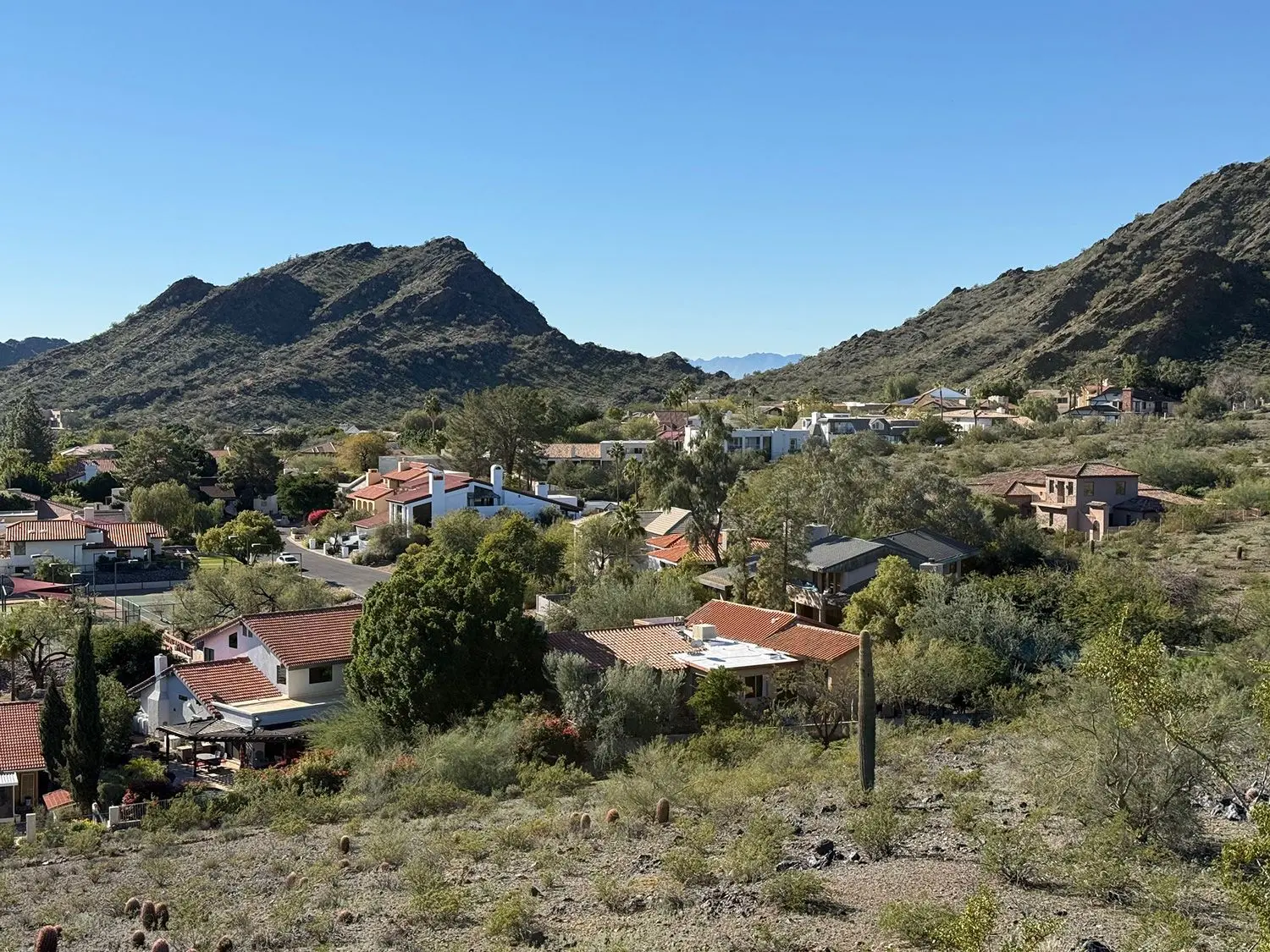
The West Valley lifestyle is resort style and suburban, represented by Glendale and its proximity to Thunderbird Conservation Park․ Life in central Phoenix is more urban and suburban and more active, with access to fine dining restaurants, corporate offices, and Sky Harbor International Airport․
Phoenix remains a powerhouse for long-term appreciation due to its status as a major tech and healthcare hub. However, Glendale is currently a “value play” for investors, offering higher rental yields and attracting families priced out of more expensive markets like Scottsdale or the East Valley.
Bob Hertzog is the owner of The Bob Hertzog Home Selling Team at The Brokery and a top 1% Metro Phoenix REALTOR®, according to local MLS production.
Licensed since 1999, Bob brings more than 25 years of experience, 500+ closed transactions, and $300+ million in total career sales volume to buyers and sellers across Central and Northeast Phoenix.
A third-generation real estate agent who grew up in North Central Phoenix (85021) and has lived in 85028 (The Sheaborhood) for over 25 years, Bob is known locally as “Bob Hertzog – Your Real Estate Dad” for his honest guidance, deep neighborhood knowledge, and no-pressure approach.
Bob takes a consultative, trust-first approach focused on education, clarity, and long-term decision-making. He averages 18 transactions per year and is widely respected for his hyper-local insight, data-driven advice, and steady communication throughout the process.
Specializing in downsizing and retirees, relocation, luxury homes, move-up buyers, and condos/townhomes, Bob helps clients confidently navigate major life transitions — always prioritizing what he would recommend for his own family.

Office: 9845 N 22nd Pl. Phoenix, AZ 85028
Text: 602-957-1583
Request Call Back: Pick a time that works best for you
YouTube: Phoenix market insights, neighborhood guides, downsizing advice
Bob shares real-world Phoenix real estate advice through market insights, neighborhood breakdowns, and practical guidance — helping buyers and sellers make confident, informed decisions in today’s evolving housing market.