Renting vs Buying in Phoenix: What’s Right for You in 2026?
Real-World Numbers, Clear Trade-Offs, and a Simple Decision Framework for renting vs buying in Phoenix in 2026

Real-World Numbers, Clear Trade-Offs, and a Simple Decision Framework for renting vs buying in Phoenix in 2026
If you’re Googling “renting vs buying in Phoenix”, you’re probably in one of two camps:
Either way-pull up a chair․ I’ll give you the “Real Estate Dad” version: numbers + reality + a clear decision framework․ In 2026, the Phoenix market is more moderate than during the “wild west” price surges, where houses sit on the market longer, pricing stabilizes, and buyers regain their power in negotiations․ Phoenix Housing Market Snapshot for 2026 Here’s what the market looks like, with the data anchored at late-2025 / early-2026:
Real Estate Dad takeaway: 2026 is going to be a “choice year” for renting or buying․ Depending on your situation, it is the year to rent for flexibility or buy for financial stability and building wealth․
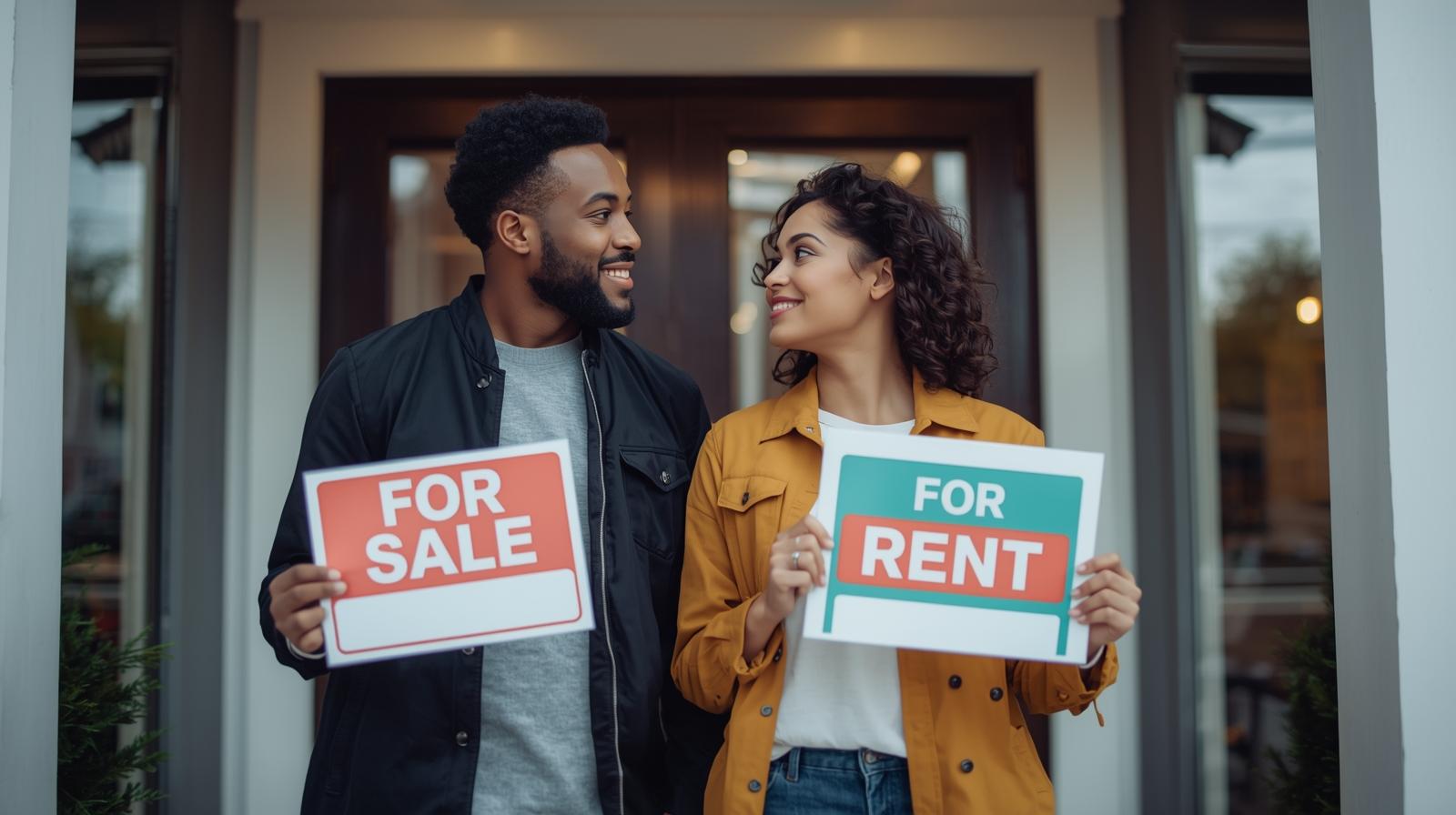
So here’s the simple side-by-side:
| Category | Renting (Typical) | Buying (Typical) |
| Base payment | $1,825–$1,835 rent | Mortgage varies by loan & rate |
| Utilities | Often lower / partly included | Higher, owner pays full load |
| Repairs | Landlord’s responsibility | Owner responsibility |
| Taxes / Insurance / HOA | Usually not line items | Included via escrow or HOA |
Dad note: Total purchase price includes mortgage plus taxes plus insurance plus HOA plus maintenance․
Real Estate Dad tip: If buying drains your savings completely, that’s not homeownership: that’s stress ownership․
Here’s the most important question to ask yourself:
Under 3 years → Renting often wins
3–5 years → Depends (run the numbers)
5+ years → Buying often wins
Buying comes with transaction costs on both ends. Those costs need time to be absorbed by equity growth and principal paydown.

Dad guideline: Factor in about 1% of your home’s value annually for home maintenance costs․
Many buyers ask, “Should I wait for rates to drop?”
Rates will change, but life won’t․ So buy the home you’re comfortable owning right now, not the one you’re hoping you’ll be able to afford when rates fall․
Dad truth: You can refinance a rate. You can’t refinance a bad payment or a bad location.

Phoenix isn’t one market—it’s dozens of micro-markets.
Market stats matter, but your decision should be made at the neighborhood level, not the headline level․

Here’s the Dad truth:
Ultimately, the decision between renting and buying in Phoenix in 2026 depends on individual financial circumstances․ Consider how much time and money you want to spend and how rooted you are․
Renting is not a failure if it gives you flexibility and clarity․
However, if buying means paying more in a less desirable neighborhood, then renting may still be the better option․
The biggest mistakes I see are not market timing mistakes․ They’re decisions that are made too quickly without proper consideration․
If you’re new to Phoenix, renting is usually a good idea․ But if you’re sure you’ll stick around for a while, buying can be a good way to build up equity․ But if you’re in between, that’s okay too, we just need to slow it down and run the numbers honestly․
My job isn’t to sell you on one side or the other․ My job is to help you make a decision that you’ll still feel good about a few years from now․
No pressure.
No hype.
Just straight talk and a plan that fits you.

Whether you rent or buy depends in part on how long you plan to stay and how much you have to invest․ Renting might be the best option for people who are planning to stay for less than three years or those who are new to the area․ Buying can also make more sense for someone who’s planning to stick around for five years․
On average, buyers will recoup their purchase costs in three to five years, as equity growth and paydown of principal exceed closing costs and maintenance expenses․
Although renting is less expensive on a month-to-month basis, home ownership allows for the accumulation of equity over time in most Phoenix neighborhoods.
Most forecasts do not see large depreciation, however, with flat or slight appreciation expected․ By 2026, the Phoenix market will have returned to a more normal balance between supply and demand, giving buyers more negotiating power․
Yes․ Many out-of-state buyers rent first, to learn neighborhoods, commuting patterns, and how humid the area becomes in summertime before making a purchase․
Waiting for a specific rate can backfire. It’s usually smarter to buy a home you can comfortably afford today and refinance later if rates improve.
Commonly overlooked costs include HVAC repairs, insurance increases, HOA fees, landscaping, pool maintenance, and general upkeep, especially in older homes.
Buying in Phoenix is not a short-term investment․ Modest appreciation in Phoenix prices and building equity will make owning a worthwhile investment over time․
The amount of money saved for a home in Phoenix varies from person to person․ In addition to the down payment and closing costs, aim to have several months’ worth of living expenses set aside so homeownership will not be a burden․
The biggest mistake is deciding based only on emotion or monthly payment instead of factoring in timeline, savings, lifestyle needs, and neighborhood fit.
Bob Hertzog is the owner of The Bob Hertzog Home Selling Team at The Brokery and a top 1% Metro Phoenix REALTOR®, according to local MLS production.
Licensed since 1999, Bob brings more than 25 years of experience, 500+ closed transactions, and $300+ million in total career sales volume to buyers and sellers across Central and Northeast Phoenix.
A third-generation real estate agent who grew up in North Central Phoenix (85021) and has lived in 85028 (The Sheaborhood) for over 25 years, Bob is known locally as “Bob Hertzog – Your Real Estate Dad” for his honest guidance, deep neighborhood knowledge, and no-pressure approach.
Bob takes a consultative, trust-first approach focused on education, clarity, and long-term decision-making. He averages 18 transactions per year and is widely respected for his hyper-local insight, data-driven advice, and steady communication throughout the process.
Specializing in downsizing and retirees, relocation, luxury homes, move-up buyers, and condos/townhomes, Bob helps clients confidently navigate major life transitions — always prioritizing what he would recommend for his own family.

Office: 9845 N 22nd Pl. Phoenix, AZ 85028
Text: 602-957-1583
Request Call Back: Pick a time that works best for you
YouTube: Phoenix market insights, neighborhood guides, downsizing advice
Bob shares real-world Phoenix real estate advice through market insights, neighborhood breakdowns, and practical guidance — helping buyers and sellers make confident, informed decisions in today’s evolving housing market.