Pros and Cons of Living in Phoenix, AZ: An Honest “Real Estate Dad” Breakdown
What It’s Really Like to Live Here—Beyond the Brochures and Hype

What It’s Really Like to Live Here—Beyond the Brochures and Hype
If you’re reading this article about the pros and cons of living in Phoenix, AZ, you’re probably:
-Thinking about moving here from out of state, or
-Already living in the Valley, and you want to know if Phoenix is still the best place for your next move․
Either way, you deserve a straight-talking, balanced answer․ Phoenix is an incredible place to live for a lot of people, and a frustrating one for others․ I have lived here, worked here, raised a family here, and sold homes here for decades, and my job is not to sell you on Phoenix; my job is to help you decide if Phoenix is right for you․
Let’s go through the real pros and cons, dad-style.
Phoenix didn’t become the 5th-largest city in the U.S. by accident. People keep coming for some very practical reasons.
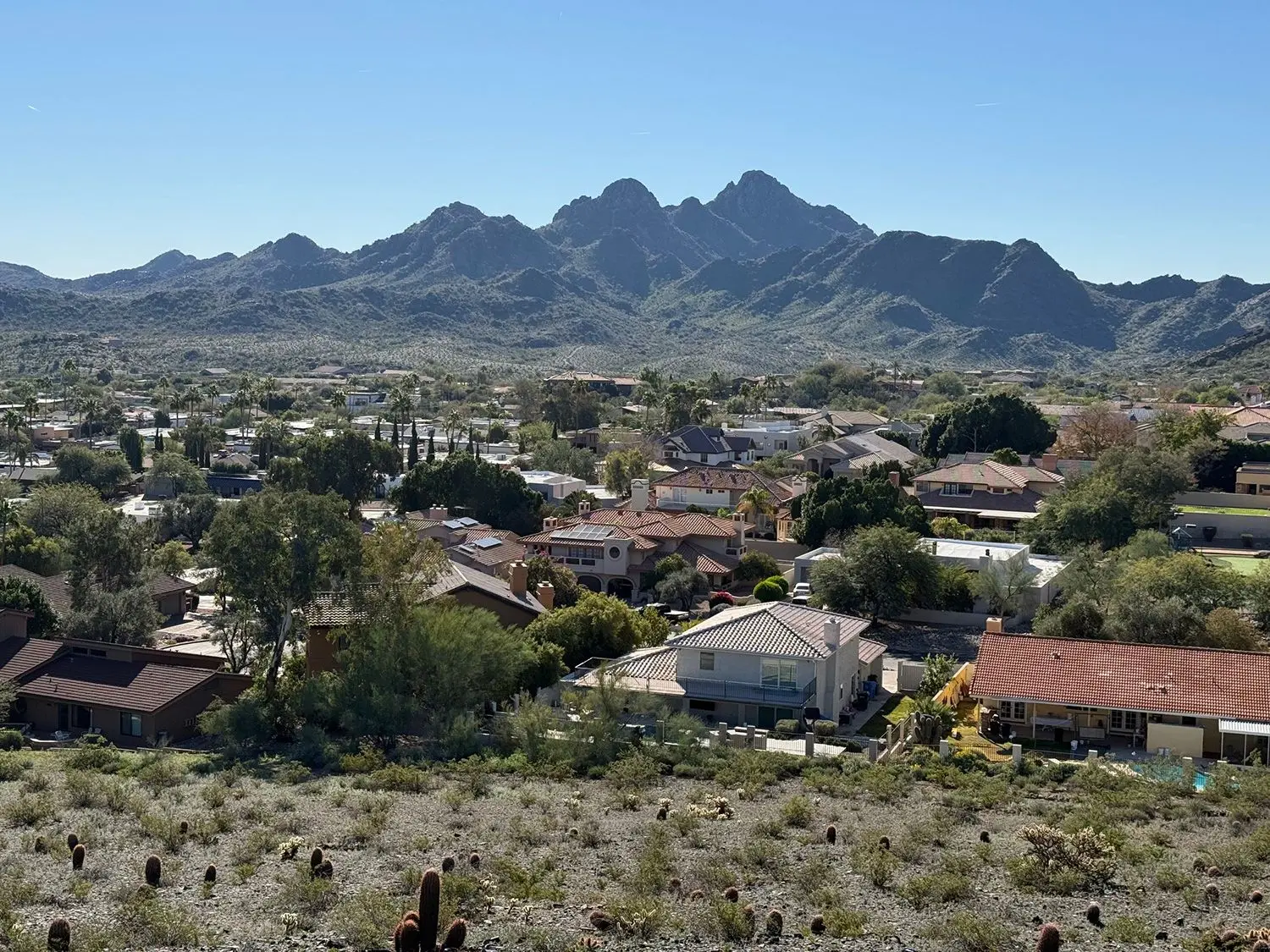
Phoenix has more than 300 sunny days per year, which means: -Hiking at places like Camelback Mountain and Piestewa Peak -Golfing nearly year-round (200+ courses) -Outdoor patios, pools, pickleball, and desert trails For many relocators from the Midwest or Northeast, this alone is life-changing. Real Estate Dad tip: You don’t “stop going outside” in summer, you just shift your schedule․ Early mornings and evenings become your best friend․
Phoenix has become a major employment center: -Technology & semiconductors –Healthcare -Aerospace & manufacturing Major employers such as Intel, Banner Health, and several chip manufacturers have continued to expand their operations in the area․
While Phoenix is no longer as “cheap” as it once was, it still remains relatively affordable compared to California, Washington, or New York․ -Median home prices hover around $475,000 -Homes are typically larger, with yards, garages, and outdoor space -You often get more house for the money For downsizers, this could be selling a large family home, buying something much smaller and new, and perhaps having some cash left over․
The culture of Phoenix often surprises newcomers․ -Incredible Sonoran Mexican food -A growing chef-driven restaurant scene -Pro sports teams (Suns, Cardinals, Diamondbacks, Mercury) -Museums like the Heard Museum and vibrant arts districts This is not the “dusty desert town” that many people imagine.
However, Phoenix is not just one lifestyle -Urban condos downtown -Quiet family neighborhoods near mountains -Golf communities –55+ and retirement-friendly areas This flexibility is huge if you’re relocating or downsizing.
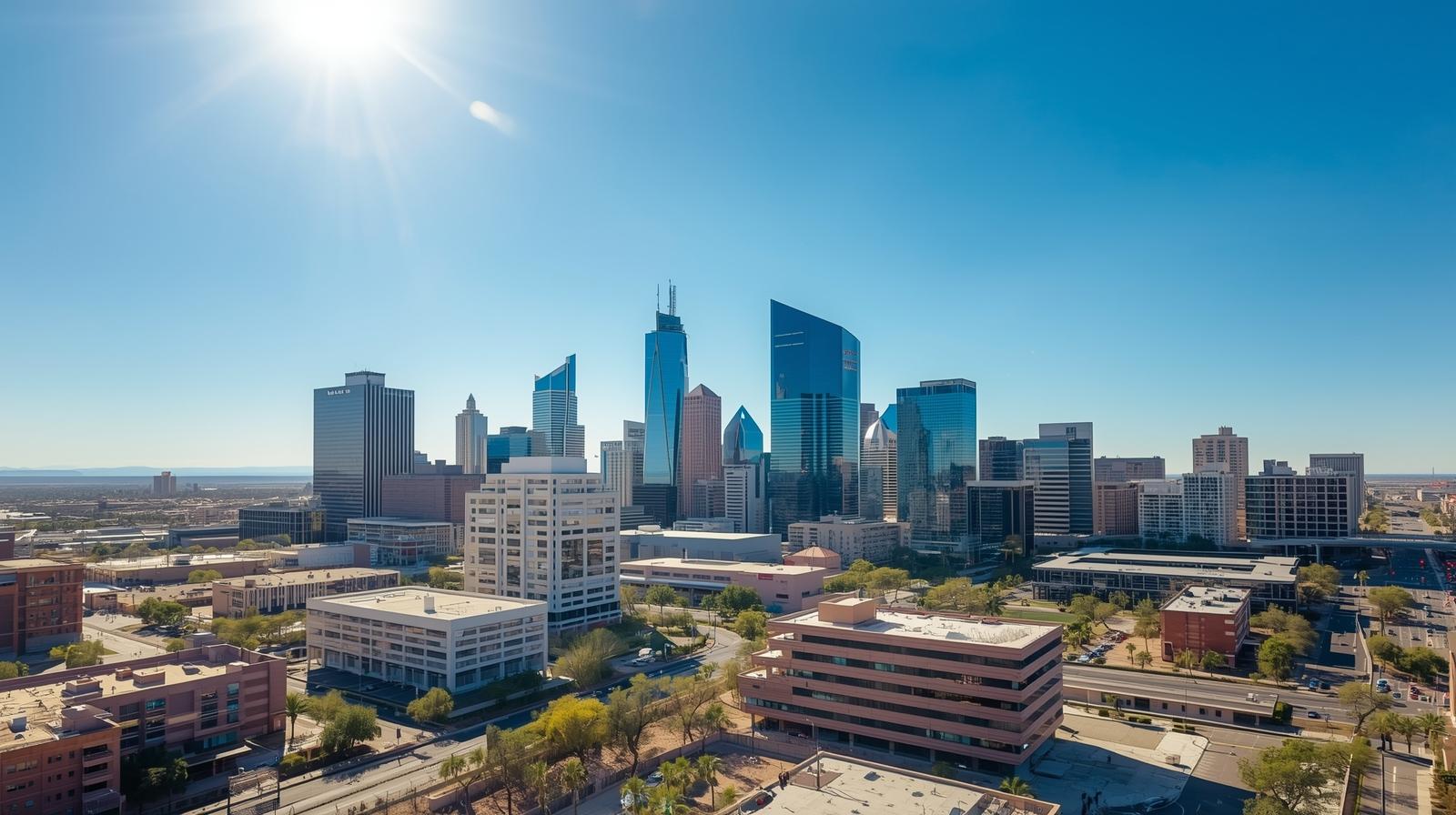
Now let us be candid with one another: Phoenix is not for everyone․
Let’s not sugarcoat it.
-Summer highs regularly exceed 110°F
-Outdoor activity from June–September is limited
-Air conditioning is not optional
Average summer electric bills:
$300–$450/month for many homes
Dad reality check: If it’s too hot, Phoenix is going to wear on you after a while, especially if you’re sitting outside all day․
Phoenix is spread out.
-Most residents own their own cars
-Commutes times of 25–35 minutes are common
-Public transit exists but is limited outside central corridors
If walkability and dense urbanity are your priorities, then Phoenix can be frustrating․
Phoenix is a desert city of over 5 million people.
-Long-term water management is a real issue
-Conservation efforts are ongoing
-Landscaping and pool ownership require awareness
This doesn’t mean Phoenix is “running out of water tomorrow”, but it does mean planning matters․
Phoenix occasionally struggles with:
-Dust storms (haboobs). They’re not as bad as the look on TV. 🙂
-Poor air quality days
-Seasonal allergies
If you have respiratory issues, this is something to consider․
Phoenix is extremely ZIP-code specific.
-Some areas are fantastic for families or retirees
-Others struggle with higher crime or fewer amenities
So this is where having an expert who knows the local market best is so valuable․ Two neighborhoods may be 10 minutes apart but feel like two different cities․

One simple, real-life example of what many people experience is:
| Category | Typical Monthly Cost | What to Know |
| Housing (2-bed rent) | $1,600–$2,000 | Varies widely by area |
| Utilities | $300–$450 | Summer A/C drives costs |
| Groceries | $400–$700 | Ethnic markets can save money |
| Transportation | $400–$600 | Car insurance + gas |
| Healthcare | $400–$800 | Strong provider networks |
| Priority | Where Phoenix Shines | Where It Struggles |
| Weather | Sunshine, dry winters | Brutal summers |
| Housing | Space and value | Rising prices |
| Jobs | Growing industries | Long commutes |
| Outdoors | Hiking, golf, pools | Midday summer heat |
| Retirement | Healthcare, sunshine | Heat tolerance needed |
-Northeast Phoenix (85028, 85032) -Ahwatukee –Mountain-adjacent neighborhoods
-Downtown Phoenix / Roosevelt Row -Midtown corridor
–North Central Phoenix (85021) -Patio home and low-maintenance communities – Quiet mountain-adjacent neighborhoods
-Select West Valley pockets -Emerging suburban areas (with guidance)

Phoenix is a great fit if you:
-Want sunshine and outdoor living
-Are comfortable driving
-Value space and long-term affordability
-Can adapt to desert summers
Phoenix may not be ideal if you:
-Need walkability and transit
-Want four distinct seasons
-Are highly sensitive to heat
Phoenix isn’t about finding the right city, but finding the right neighborhood, home style and lifestyle fit, especially if you are relocating or downsizing․
If you want help matching your priorities with the right part of Phoenix (and avoiding costly mistakes), that’s exactly what I do every day․

Is Phoenix, AZ a good place to live?
Yes, for the right person․ If you like sunshine, wide open spaces, and outdoor living, and can manage the driving and the summer heat, then, yes, Phoenix would be great for you․ Lifestyle fit overcomes the hype․
What are the biggest pros of living in Phoenix, AZ?
Pros include: more than 300 days of sunshine per year; job growth; housing that is less expensive than coastal cities; diverse neighborhoods; and access to outdoor recreation․
What are the biggest negatives of living in Phoenix, AZ?
Negatives include extreme summer heat, car dependence, higher utility bills, poor air quality during dust storms, and socio-economic disparities between neighborhoods․
Just how hot does it really get in Phoenix in summer? High temperatures commonly exceed 110 °F (43 °C) from June to September, leading most residents to set their outdoor schedules in the early morning or late evening, and extensively use air conditioning․
Is the cost of living in Phoenix higher than average?
Although Phoenix is less expensive than many large metropolitan areas, it is more expensive than a decade earlier․ Housing, utilities, and transportation costs vary considerably among neighborhoods and housing types․
Is a car needed to live in Phoenix? In most cases, yes․ Phoenix is a sprawling metropolitan area, and while public transit exists in the central corridors, most residents rely on cars for most day-to-day transportation needs․
Is Phoenix a good place to retire or downsize?
So yes, Phoenix is a top retiree-type downsizers’ choice thanks to mild winter weather, improving healthcare, and lots of low-maintenance and 55+ housing options, if you can stand the sizzling summers․
How does Phoenix compare to California or other coastal cities?
Phoenix has more space and cheaper housing than coastal cities, but its hot summers are longer and its walkability and public transit are more limited․
Is there a serious water shortage in Phoenix? Water issues are an active problem, though Phoenix does have programs in place for conservation and future planning․ While Phoenix is not in danger of “running out of water”, it has to be responsible․
Which Phoenix neighborhoods are best for different lifestyles?
Neighborhood choice is also an important factor in Phoenix with families and downsizers preferring neighborhoods near mountains and North Central Phoenix, and professionals preferring downtown and midtown Phoenix․
Bob Hertzog is the owner of The Bob Hertzog Home Selling Team at The Brokery and a top 1% Metro Phoenix REALTOR®, according to local MLS production.
Licensed since 1999, Bob brings more than 25 years of experience, 500+ closed transactions, and $300+ million in total career sales volume to buyers and sellers across Central and Northeast Phoenix.
A third-generation real estate agent who grew up in North Central Phoenix (85021) and has lived in 85028 (The Sheaborhood) for over 25 years, Bob is known locally as “Bob Hertzog – Your Real Estate Dad” for his honest guidance, deep neighborhood knowledge, and no-pressure approach.
Bob takes a consultative, trust-first approach focused on education, clarity, and long-term decision-making. He averages 18 transactions per year and is widely respected for his hyper-local insight, data-driven advice, and steady communication throughout the process.
Specializing in downsizing and retirees, relocation, luxury homes, move-up buyers, and condos/townhomes, Bob helps clients confidently navigate major life transitions — always prioritizing what he would recommend for his own family.

Office: 9845 N 22nd Pl. Phoenix, AZ 85028
Text: 602-957-1583
Request Call Back: Pick a time that works best for you
YouTube: Phoenix market insights, neighborhood guides, downsizing advice
Bob shares real-world Phoenix real estate advice through market insights, neighborhood breakdowns, and practical guidance — helping buyers and sellers make confident, informed decisions in today’s evolving housing market.