Independent Living vs. 55+ Communities in Phoenix: A Real Estate Dad’s Straight-Talk Guide
How to Choose the Right Phoenix Lifestyle Without Overpaying or Feeling Boxed In

How to Choose the Right Phoenix Lifestyle Without Overpaying or Feeling Boxed In
If you are starting to think about downsizing from your Phoenix home or relocating to the Valley of the Sun from out of state, you might be hearing two similar terms; Independent Living vs 55+ Communities in Phoenix ․
Dad tip right out of the gate: while they sound similar, they’re built for very different lifestyles and choosing the wrong one can leave you feeling boxed in, overpaying, or wishing you’d slowed down and asked better questions․
That said, let’s simply lay out the options together so you can see what might be a fit based on the stage of life you’re in․
Independent Living vs. 55+ Communities In Phoenix: What’s the Big Difference?
Independent living is housing with amenities․ You’re still independent, but you’re ready to offload the life-admin stuff, like maintenance, cooking every night, chores around the house, or sometimes, even driving․
Think:
-Apartment-style living (or senior suites)
-On-site dining
-Housekeeping and laundry options
-Transportation services
-Planned social activities
It is not medical care, it is ease, simplicity, and community․
A 55+ community feels more like a traditional neighborhood, just designed for adults 55 and older.
Think:
-Patio homes, townhomes, or single-level houses
-You typically own the home
-HOA often handles landscaping and exterior maintenance
-Lifestyle amenities like pools, fitness centers, clubs, pickleball, walking paths, etc.
This option is best if you want to keep your home, control your budget, and preserve your equity․
Here’s what I tell my clients when they’re trying to make sense of it all:
| Feature | Independent Living | 55+ Communities |
| Primary purpose | Maintenance-free lifestyle with built-in services | Active adult living with homeownership perks |
| Housing type | Senior apartments or suites | Patio homes, townhomes, or single-family homes |
| Ownership | Typically rental / monthly fee | Typically ownership (buy the home) |
| Meals | Often included | Usually you cook (or go out!) |
| Maintenance | Fully handled for you | HOA often handles exterior/landscaping |
| Equity | ❌ No | ✅ Yes |
| Flexibility | More rules, less customization | More freedom to personalize |
| Best fit | “I want services + simplicity” | “I want low-maintenance + ownership” |
Real Estate Dad takeaway:
Here’s what I tell my clients when they’re trying to make sense of it all:
55+ communities are essentially downsized home ownership with some benefits․

In this video I interviewed Jackie Wargo (Certified Senior Placement Specialist) about the realities of senior living options in Phoenix: what families should ask, what to watch for, and how to avoid making a move that doesn’t fit your lifestyle․ If you’re trying to figure out whether independent living, a 55+ community, or assisted living is right for you, this is a great “watch first” conversation․
If independent living is an option you’re considering, Phoenix has several communities that downsizers commonly tour: –Clarendale Arcadia – Popular for an upscale feel and strong amenity package –Fellowship Square Phoenix – Known for having a continuum (independent living and other care options on/through the campus) –Madison Meadows – Traditional independent living with activities and community programming The Manor Village at Desert Ridge – A larger “campus style” setting that many active seniors like Dad advice: I’ve seen people move into independent living too soon․ When the newness wears off, lack of flexibility turns tiresome․ If you still want to host your grandkids for slumber parties, travel the world, or keep your own schedule, you may want to start with a 55+ community․

If you want a low-maintenance housing situation while also owning your own space and retaining your independence, you may consider a 55+ community․ Common choices in the Phoenix area include: –Sun City – One of the most established active adult communities in Arizona –Sun City West – Similar concept with more options and a different mix of housing/amenities Scottsdale-area active adult communities – Often closer to dining, shopping, and medical hubs depending on the pocket -Smaller 55+ patio-home pockets throughout the Valley (some are “hidden gems” that don’t feel like giant master plans) Dad note: Not all communities for adults 55+ feel the same․ Some have an active vibe․ Others interact less and are a bit more private․ The “vibe check” matters․
Independent living usually works like a monthly lifestyle bundle: -Monthly fees often range from mid-$3,000s to $6,000+ (varies a lot by location and service level) -Meals and services are commonly included -Costs often rise annually -No resale value (you’re paying for services, not equity)
55+ communities tend to resemble customary homeownership: -Purchase price + HOA dues -HOA dues vary widely based on amenities and what’s covered -You can build equity and sell later -For many homeowners, long-term cost control is better than service-fee living Dad math: Selling a larger home and buying something smaller in 55+ communities frees up money, eases maintenance and lessens stress in retirement․

If you’re relocating to Phoenix from out of state, here are a few “welcome to the desert” realities:
-Heat changes how you live. Covered parking, shade, efficient HVAC, and single-level layouts matter more than people expect.
-Location beats “pretty.” Being close to groceries, medical offices, and a couple favorite restaurants can be the difference between thriving or feeling stranded․
-Lock-and-leave is huge. Because many of these buyers are downsizing, they want the option of traveling without worrying about a big yard․
-Not all “55+” is the same. Some are age-restricted apartments (rental). Others are ownership neighborhoods. Apples and oranges.
A couple I worked with recently sold their Sheaborhood home and started touring independent living communities. They loved the convenience, but didn’t love the lack of flexibility regarding “visiting hours”. Just goes to show you that everyone has different needs/wants.
We turned to a nearby 55+ patio-home style community, which offered them:
-A social environment without feeling “scheduled”
-More privacy and space
-Lower long-term monthly burden
-Ownership and equity
Six months later, they told me, “This feels like our next chapter… not an ending.”
-What is included in the monthly fee—and what’s extra?
-How often do rates increase?
-What happens if my needs change (even slightly)?
-Are there move-out terms or notice requirements?
-What exactly does the HOA cover?
-Are there rental restrictions (important for resale)?
-Any upcoming assessments or big community projects?
-What’s the community culture? Is it active and social, or quiet and private?
Dad tip: Bring a basic checklist with you when you go on tours, because you can be wooed by the lobby and forget all about the important stuff․

Independent living and 55+ communities serve similar roles, but should not be confused with one another․
-If you want convenience and services bundled in → Independent living
-If you want low maintenance plus ownership and flexibility → 55+ community
The goal for many is not just to “downsize” but to downshift to a less stressful and more enjoyable lifestyle․
And if you’re interested in comparing options in and around Phoenix for your lifestyle, budget and location, I’m always happy to talk it through like a dad at the kitchen table․

The biggest difference is in ownership․ Independent living, where meals, cleaning, and activities are included for a monthly fee, is a rental apartment or house․ Most 55+ communities are owned, meaning you buy a house or townhome and then live a low-maintenance lifestyle through dues paid to the HOA․
No․ That is a common misconception․ Independent living provides no medical care or day-to-day assistance for its residents․ It is intended for seniors who are self-sufficient but desire the ability to receive help․ Assisted living services are separate․
No․ Generally to qualify, only one member of the household needs to be over the age of 55+․ Many residents continue part-time work and traveling, as well as other activities; it is not a retirement community per-se, however․
It depends on how long you stay․ Independent living generally has high monthly rates but fewer responsibilities․ While purchasing a house is typical in 55+ communities, monthly costs tend to decrease over time․ Additionally, the equity of the purchased home is retained․
Yes, but there can be rules․ Independent living communities may impose restrictions on guests or overnight visitors․ In a 55+ community, you can typically have family or grandkids come visit you without a hassle․
They can vary greatly: some are sociable and have a range of clubs and events, others are quieter and give more privacy to residents․ For this reason, touring and learning about the culture of each community is nearly as important as the floor plan․
Usually, but ask about notice periods and contracts to be sure․ Independent residences may be a lease or month to month rental, depending on the community․ Always check the exit terms before moving in․
Yes, but only if you live in a walkable part of Phoenix․ Phoenix is spread out, and some neighborhoods are more walkable than others․ Access to health care, grocery stores, and running errands is one of the most important factors to long-term happiness․
Most homeowners look first at independent living options, but many find that a 55+ community offers a bit more independence, ownership, and flexibility, without the burden of maintaining a larger home․ The right choice for you, however, depends on your circumstances․
Timing is more about your energy level, lifestyle, and personal goals than a specific age․ Independent living is often a good fit if convenience and structure appeal to you․ If you want control, space, and equity, a 55+ community may be a better starting point․
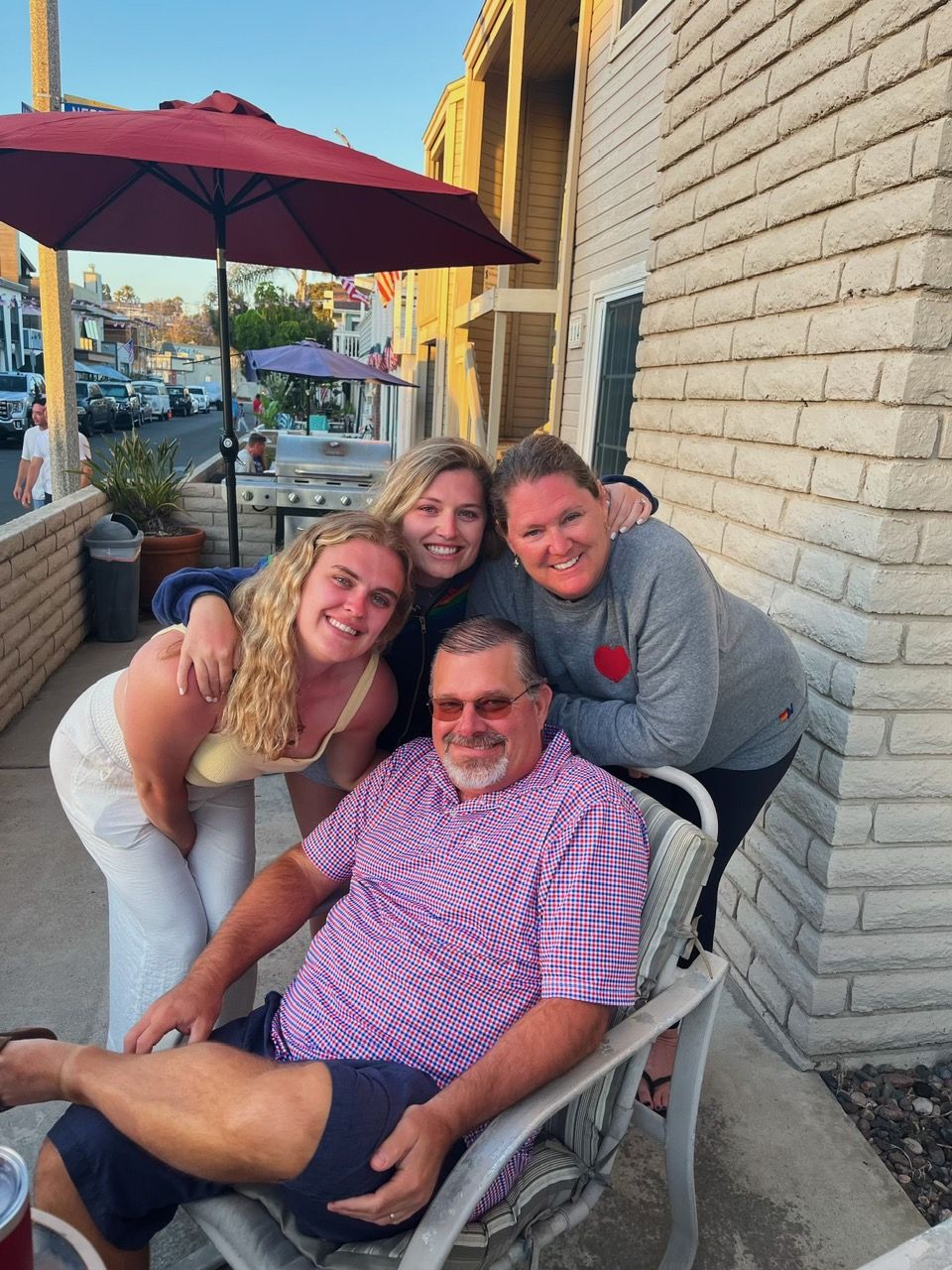
Bob Hertzog is the owner of The Bob Hertzog Home Selling Team at The Brokery and a top 1% Metro Phoenix REALTOR®, according to local MLS production.
Licensed since 1999, Bob brings more than 25 years of experience, 500+ closed transactions, and $300+ million in total career sales volume to buyers and sellers across Central and Northeast Phoenix.
A third-generation real estate agent who grew up in North Central Phoenix (85021) and has lived in 85028 (The Sheaborhood) for over 25 years, Bob is known locally as “Bob Hertzog – Your Real Estate Dad” for his honest guidance, deep neighborhood knowledge, and no-pressure approach.
Bob takes a consultative, trust-first approach focused on education, clarity, and long-term decision-making. He averages 18 transactions per year and is widely respected for his hyper-local insight, data-driven advice, and steady communication throughout the process.
Specializing in downsizing and retirees, relocation, luxury homes, move-up buyers, and condos/townhomes, Bob helps clients confidently navigate major life transitions — always prioritizing what he would recommend for his own family.
Office: 9845 N 22nd Pl. Phoenix, AZ 85028
Text: 602-957-1583
Request Call Back: Pick a time that works best for you
YouTube: Phoenix market insights, neighborhood guides, downsizing advice
Bob shares real-world Phoenix real estate advice through market insights, neighborhood breakdowns, and practical guidance — helping buyers and sellers make confident, informed decisions in today’s evolving housing market.