Living in Phoenix vs Mesa: Your Real Estate Dad’s Honest Comparison
From Big City Buzz to East Valley Value: Which Valley Giant is Your Perfect Home Base?

From Big City Buzz to East Valley Value: Which Valley Giant is Your Perfect Home Base?
If you were searching for “Phoenix vs Mesa”, almost certainly you have a practical question:
Would I prefer the energy and diversity of a big city? Or a more suburban, family-oriented lifestyle that offers better value?
With that, these two cities are the Valley’s biggest players, but they’re pretty different living in․ As Your Real Estate Dad, I don’t want to push you toward what feels like everyone is doing․ I want you to find a place that makes sense for your life, your budget, and your future․
In layman’s terms, let’s think this through․
Here’s the straight story:
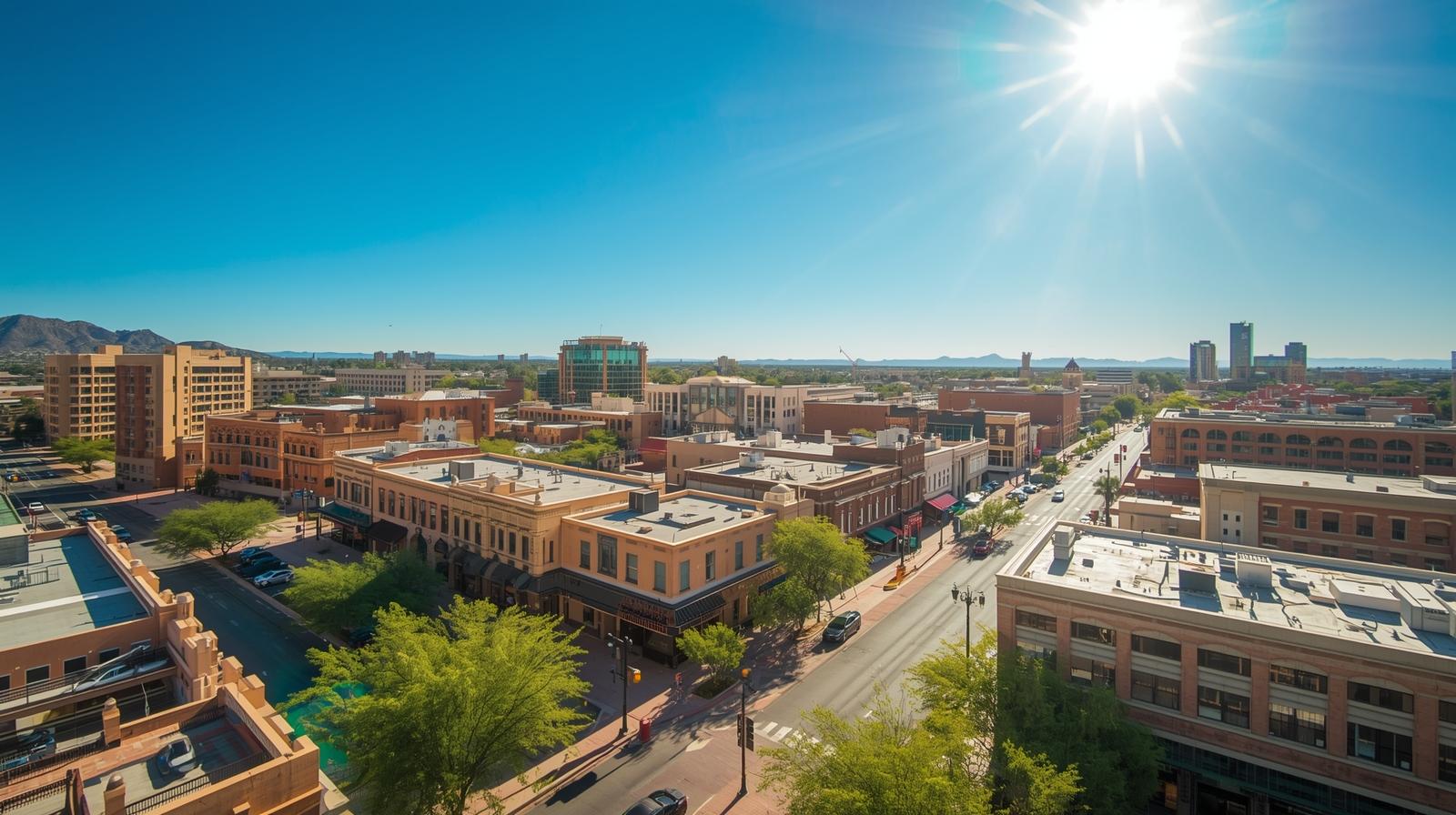
| Category | Phoenix | Mesa |
| Overall feel | Big-city, diverse | Suburban, residential |
| Population | 1.6M+ | ~520,000 |
| Neighborhood variety | Very high | More uniform |
| Housing styles | Condos → luxury homes | Single-family, master-planned |
| Typical vibe | Urban + suburban mix | Family-friendly, quieter |
| Best for | Variety, central access | Value, space, East Valley living |
Both cities are part of the same regional economy, but housing prices have historically favored Mesa․
| Area | Cost Snapshot | Real Estate Dad Take |
| Phoenix | Wide range | Options at almost every price point |
| Mesa | Generally lower | Strong value for space and newer homes |
Prices for homes and condos vary widely by neighborhood, from entry level to over $1 million․
Mesa typically offers:
Dad Translation:
Phoenix gives you choice.
Mesa gives you more bang for your buck.
In Phoenix, a given budget might mean:
With the same budget, in Mesa:
Real Estate Dad Insight: While Mesa is more spacious and less expensive, the Phoenix location and lifestyle tend to be more desirable for most folks․
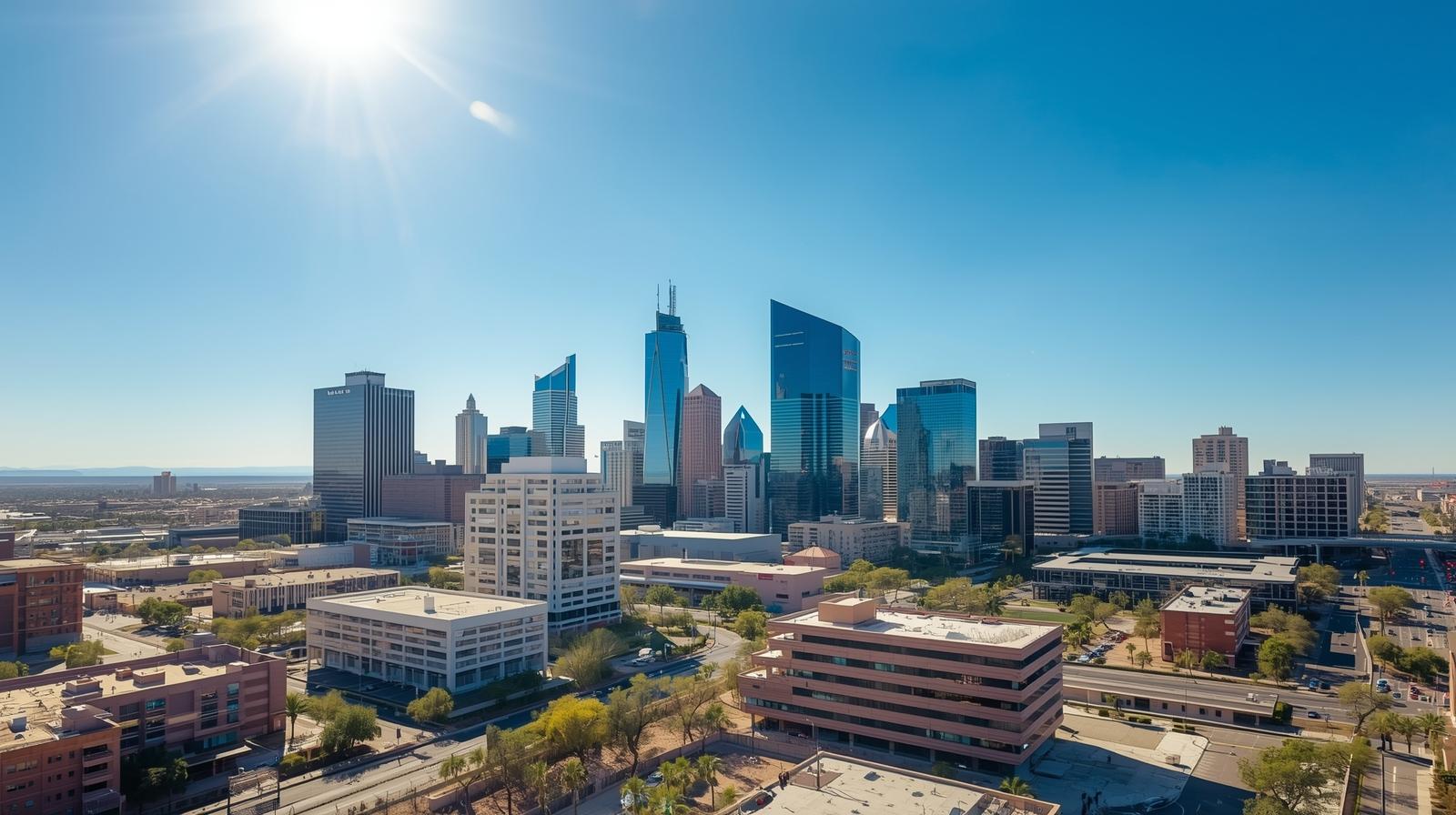
Phoenix offers the amenities of a large city:
You can live very urban (or very quiet) depending on the neighborhood you choose.
Mesa has a family- and community-friendly environment․
Pace is more laid-back and entertainment tends to be locally based․
Dad Translation:
Phoenix feels like a city that never really shuts off.
Mesa feels like a place designed for everyday living.
Dad Advice: If your job is in the East Valley and you can work from home, consider Mesa․
Real Estate Dad Insight: Mesa feels more consistent, but the Phoenix highs are much higher (which also means higher risk)․

| Priority | Better Fit: Phoenix | Better Fit: Mesa |
| Urban energy & nightlife | ✅ | ❌ |
| Neighborhood diversity | ✅ | ❌ |
| Housing value per dollar | ⚠️ Area-dependent | ✅ |
| Family-friendly suburbs | ⚠️ Area-dependent | ✅ |
| East Valley job access | ⚠️ Longer drive | ✅ |
| Larger lots & space | ⚠️ Limited | ✅ |
| Big-city culture & sports | ✅ | ❌ |
Here are a few things to consider when comparing Phoenix vs Mesa:
There’s no wrong answer, just two different ways to live in the Valley. If you want help comparing specific Phoenix neighborhoods to Mesa communities, or figuring out what makes sense for relocation, downsizing, or retirement, I’m always happy to help. That’s Real Estate Dad advice – clear, practical, and grounded in real life.

Housing tends to be less expensive in Mesa than in Phoenix․ Utility and grocery costs are similar, although there tends to be more square footage and land for the price in Mesa compared to Phoenix․ While portions of Phoenix are affordable, the central business district is the most expensive․
In comparison with the city of Phoenix, Arizona, Mesa (along with other cities in the East Valley) is consistently ranked as one of the safest large cities in the U․S․ Though Phoenix has a number of low-crime, affluent areas, the city is large enough that its metropolitan area has a higher crime rate than the suburban city of Mesa․
Although the distance from Mesa to downtown Phoenix is typically only 15 to 20 miles, depending on the traffic, driving time can range from 25 minutes to 40 minutes via the US-60 or Loop 202․ An alternative is the stress-free Valley Metro Rail, which runs directly from Mesa, through Tempe to downtown Phoenix․
The school districts in the Mesa area are known for being family friendly and highly integrated․ Phoenix has more options including some of the nation’s best-rated charter and private schools․ The quality of schools varies considerably from neighborhood to neighborhood in Phoenix․
Yes․ Generally, even though Mesa is a primary suburb of the Phoenix area and is the 3rd largest city in Arizona with a complete economy and having its own “downtown”, it is considered a much quieter, residential community than Phoenix․ It is in the East Valley of the larger Phoenix Metropolitan Area․
Phoenix is metropolitan with sports teams, arts districts, and nightlife․ Mesa is closer to the desirable suburbs: community parks, local festivals, and outdoor recreation․ Phoenix is the entertainment hub, and Mesa is the home base․
Phoenix is the state’s economic engine, housing major financial, tech, and healthcare headquarters. However, Mesa is a powerhouse for the aerospace, education, and healthcare industries. If you work for a tech giant in the East Valley (like Intel in nearby Chandler), Mesa provides a much more convenient commute.
Yes, both Phoenix and Mesa lie in the Sonoran Desert․ The summer temperatures in both cities regularly exceed 100 degrees Fahrenheit․ Because of its wide-ranging coverage of asphalt and high-rise buildings, the “urban heat island” effect can leave Phoenix a few degrees warmer than some of its more residential cities nearby such as Mesa․
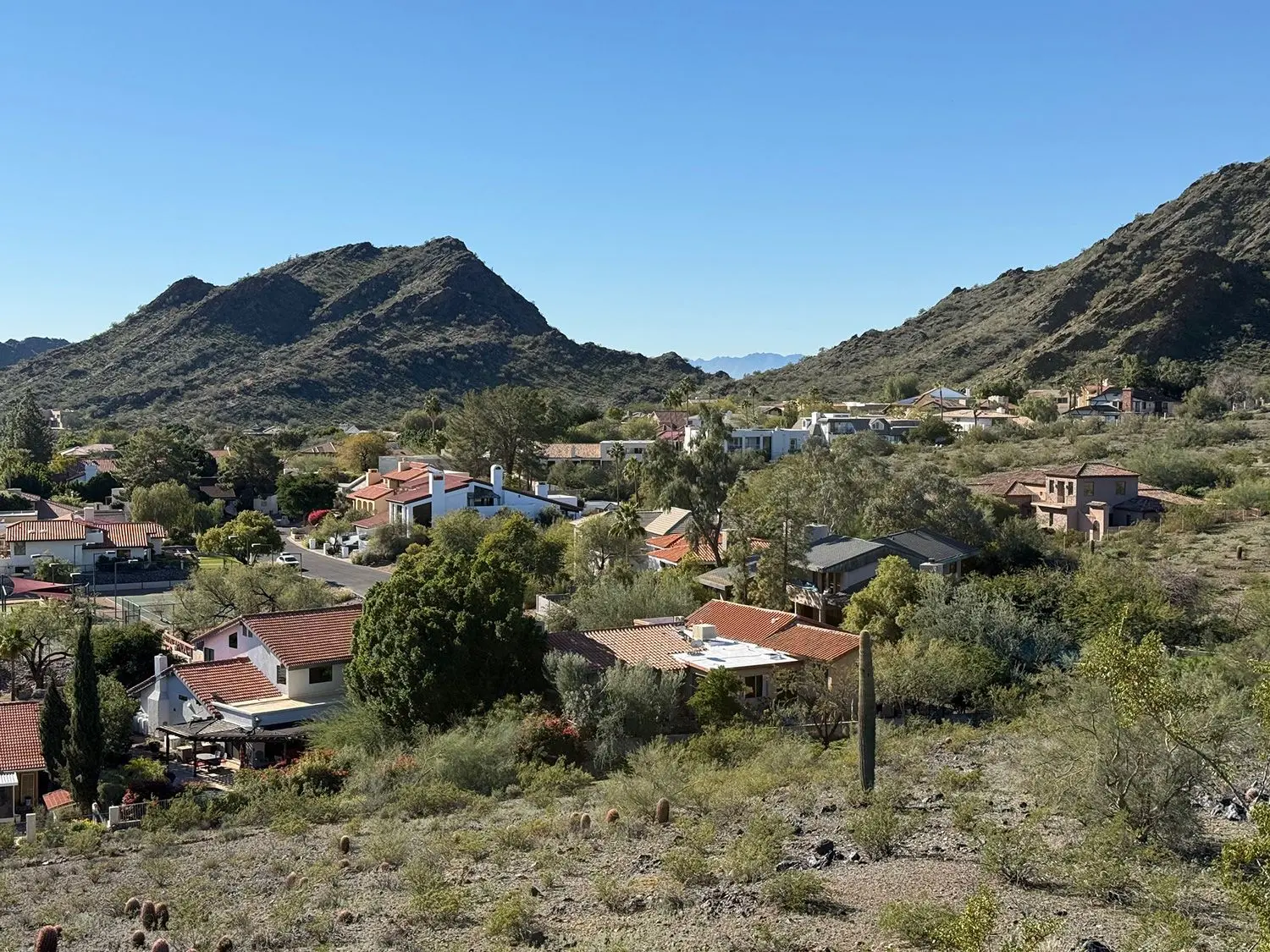
While Camelback Mountain and Piestewa Peak are iconic views in Phoenix, the “wild” desert is even closer to home in Mesa, which is the gateway to the Superstition Mountains, Saguaro Lake, and Salt River, drawing outdoor enthusiasts to hike and boat in the area․
Mesa is a top choice for retirees due to its abundance of 55+ active adult communities, lower property taxes, and slower pace of life. Phoenix is often preferred by “urban retirees” who want to be within walking distance of museums, theaters, and five-star dining.
Bob Hertzog is the owner of The Bob Hertzog Home Selling Team at The Brokery and a top 1% Metro Phoenix REALTOR®, according to local MLS production.
Licensed since 1999, Bob brings more than 25 years of experience, 500+ closed transactions, and $300+ million in total career sales volume to buyers and sellers across Central and Northeast Phoenix.
A third-generation real estate agent who grew up in North Central Phoenix (85021) and has lived in 85028 (The Sheaborhood) for over 25 years, Bob is known locally as “Bob Hertzog – Your Real Estate Dad” for his honest guidance, deep neighborhood knowledge, and no-pressure approach.
Bob takes a consultative, trust-first approach focused on education, clarity, and long-term decision-making. He averages 18 transactions per year and is widely respected for his hyper-local insight, data-driven advice, and steady communication throughout the process.
Specializing in downsizing and retirees, relocation, luxury homes, move-up buyers, and condos/townhomes, Bob helps clients confidently navigate major life transitions — always prioritizing what he would recommend for his own family.

Office: 9845 N 22nd Pl. Phoenix, AZ 85028
Text: 602-957-1583
Request Call Back: Pick a time that works best for you
YouTube: Phoenix market insights, neighborhood guides, downsizing advice
Bob shares real-world Phoenix real estate advice through market insights, neighborhood breakdowns, and practical guidance — helping buyers and sellers make confident, informed decisions in today’s evolving housing market.