Is Phoenix a Good Place to Retire?
A local expert breaks down the pros, cons, and smartest moves when retiring in Phoenix, AZ

A local expert breaks down the pros, cons, and smartest moves when retiring in Phoenix, AZ
Whether you’re moving here from out of state and are considering retiring in Phoenix, or you’ve been here your entire life and are ready to downsize for your next chapter, the questions are usually the same:
Does Phoenix make for a good retirement?
Where should I live?
And what do I need to watch out for?
Pull up a chair․ Let’s walk through this together like we’re talking it over at the kitchen table․
Retiring In Phoenix at a Glance (The Big Picture)
Phoenix is one of the most established retirement metros in the country, and it just didn’t happen by accident.
Whether you are moving here from out of state and ready to settle into Phoenix, or you’ve been here your entire life and are ready to scale down for your next chapter, the questions are usually the same:
Does Phoenix make for a good retirement?
Where should I live?
And what do I need to watch out for?
The reason it keeps appearing on retirement shortlists:
-300+ days of sunshine and mild winters
-One of the largest concentrations of 55+ communities in the U.S.
–Major medical systems designed around an aging population
-Housing variety, from classic Sun City to lock-and-leave luxury
But there’s a price for all this: summer temperatures above 120 degrees, rising housing and insurance costs, and a metro area that might require you to drive․ It’s not whether to choose Phoenix; it’s just choosing which pocket of it you want․

From October through April, Phoenix is about as good as it gets:
-Comfortable daytime temps
-Low humidity
-Ideal weather for walking, golf, hiking, and outdoor dining
Many retired people I talk to say they feel more active and more social because winter does not shut them indoors․
The catch? Hot summers․ Like, so hot in July and August that you need to adjust your mindset․ Locals adapt by:
-Doing outdoor activities early morning or evening
-Using community pools, fitness centers, and indoor clubs
-Treating summer as “quiet season”
This also applies to activities for your grandkids as well, and if you can accept that rhythm, Phoenix works beautifully․
In recent years, though, Phoenix has quietly become one of the largest healthcare centers in the US, due to its aging population․
Retirees benefit from:
-Multiple hospital systems and specialty clinics
-Strong cardiology, orthopedics, oncology, and rehab networks
-A wide selection of Medicare Advantage and supplemental plans
Real Estate Dad pro-tip: look up your hospital system, then look for homes․ If you need a hospital, it is better to have it nearby․
If you’re relocating from elsewhere, the Phoenix area offers options that most retirement communities can’t compete with:
-Age-restricted 55+ communities with built-in social life
-Single-level homes in traditional neighborhoods
-Patio homes and townhomes for low-maintenance living
This means you can make it as “retirement-focused” or, conversely, as active as you’d like․
If you live here, and you’ve got a house that feels like too much:
You’re not giving anything up. You’re simply buying freedom.
Common reasons my Phoenix clients downsize:
-Maintenance fatigue
-Stairs becoming inconvenient
-Wanting to unlock equity for retirement income or travel
-Desire for a lock-and-leave lifestyle
Phoenix is great for downsizers because you don’t have to leave the city to simplify, but as with any other city, there will always be pros & cons․
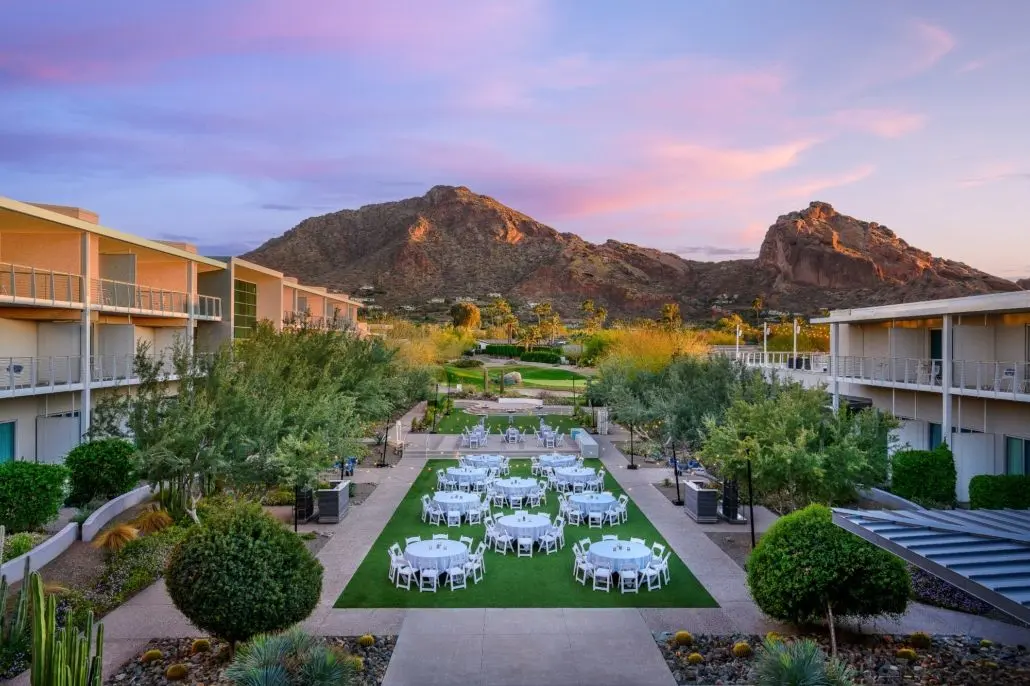
Phoenix retirement living isn’t about one perfect city – it’s about finding the right fit.
-Ahwatukee Foothills: Active adults, golf, South Mountain hiking, and several 55+ enclaves
–North Phoenix / Deer Valley / Desert View: Newer housing, freeway access, and proximity to medical corridors
-North Mountain Village: More affordable options with access to central Phoenix amenities
-Sun City / Sun City West / Sun City Grand: One of the deepest 55+ ecosystems in the country
-Surprise & Peoria: Newer resort-style communities with golf and club amenities
–Rio Verde / Tonto Verde: Scenic desert, private golf, and a quieter pace
Each attracts a different type of person: socialites, golfers, hikers, and those who say, “‘Leave me alone and let me enjoy my patio․'”
Phoenix features everything from more budget-friendly, 55+ communities to gated luxury enclaves․
Generally Speaking:
-Homes range from mid-$300Ks into $1M+ depending on location and amenities
-HOA dues vary widely based on services and facilities
-Many communities offer strong activity calendars — but not all are equal
Dad advice: always review real activity schedules, not just brochures.
Arizona is considered a relatively retirement-friendly state․
-Social Security is not taxed
–Property taxes are lower than many coastal states
-No estate or inheritance tax
On the downside, the cost of housing in Phoenix has risen dramatically in recent years and insurance and utility costs are higher․
Air conditioning is an obvious necessity here․ Smart retirees:
-Choose energy-efficient homes
-Pay attention to roof age, insulation, and windows
-Budget for summer electric bills realistically

The Phoenix–Scottsdale metro has hundreds of golf courses, plus:
-South Mountain
-Sonoran Preserve
For those not into golf, pickleball, swimming, fitness classes, and walking groups are everywhere in 55+ communities․
Phoenix offers:
-Major airport with nonstop flights nationwide
-Easy trips to California, Flagstaff, Sedona, and Tucson
-Downtown arts, museums, sports, and dining
It’s big enough to stay interesting, but spread out enough that it doesn’t feel cramped․
-Sunshine and mild winters
-Strong healthcare access
-Wide range of retirement housing
-Active social and recreation scene
-Extreme summer heat
-Rising home, insurance, and HOA costs
-Traffic growth in popular areas
-Long-term water and growth concerns
Phoenix may not be perfect, but it is predictable, and predictability matters in retirement․

Here’s a Phoenix-specific approach I recommend:
The ones who settle in the quickest are the ones who get involved quickly․
Phoenix works best for retirees who: -Plan intentionally -Choose lifestyle over square footage -Think ahead about health, maintenance, and mobility -Accept summer as part of the deal Whether you’re relocating from out of state or downsizing within Phoenix, the right move isn’t about buying a house. It’s about buying the right chapter. And if you want pressure-free, honest advice from someone who’s helped retirees like you relocate to Phoenix for decades? Your Real Estate Dad is here for you․

Yes․ Phoenix is still a strong retirement community, especially with its mild winters, good access to healthcare, and variety of housing․ Successful wintering requires careful site selection, consideration of summer heat, and anticipation of active costs․
Pros include sun, active adult communities and excellent medical establishments; cons include hot summers, higher costs of housing and insurance, and that the area is built around automobiles․
Due to the severe summers, retirees adapt by doing their errands and activities in the cool of the morning and evening, using pools and air-conditioned spaces and accepting the summer as the quieter time of the year․
Yes․ Phoenix has one of the largest concentrations of 55+ communities in the U․S․ with social activities and low maintenance living․ HOA costs and activities vary widely, so research is essential․
Popular retirement areas include Ahwatukee, North Phoenix, Sun City, Surprise, Peoria, and Rio Verde. The best choice depends on lifestyle preferences, healthcare access, and desired level of community involvement.
Yes․ Phoenix is full of single-level homes, patio homes and townhomes perfect for retirees who want to downsize without leaving the Phoenix metro area․
Although Arizona does not tax Social Security, has relatively low property taxes and no estate or inheritance tax, retirees should plan for housing, utility, insurance and HOA expenses․
Very important․ While Phoenix has a number of hospital systems and specialty care, it is worth choosing a home location near your hospital system of choice for ease of long-term care․
In the fall and spring, retirees are most active outdoors with golf outings, hiking and walking․ The quieter summer months are reserved for traveling or spending time at clubs and centers․
The most common mistake is choosing a home before understanding the area, lifestyle fit, and long-term needs. Successful retirees prioritize layout, maintenance, healthcare access, and community over square footage.
Bob Hertzog is the owner of The Bob Hertzog Home Selling Team at The Brokery and a top 1% Metro Phoenix REALTOR®, according to local MLS production.
Licensed since 1999, Bob brings more than 25 years of experience, 500+ closed transactions, and $300+ million in total career sales volume to buyers and sellers across Central and Northeast Phoenix.
A third-generation real estate agent who grew up in North Central Phoenix (85021) and has lived in 85028 (The Sheaborhood) for over 25 years, Bob is known locally as “Bob Hertzog – Your Real Estate Dad” for his honest guidance, deep neighborhood knowledge, and no-pressure approach.
Bob takes a consultative, trust-first approach focused on education, clarity, and long-term decision-making. He averages 18 transactions per year and is widely respected for his hyper-local insight, data-driven advice, and steady communication throughout the process.
Specializing in downsizing and retirees, relocation, luxury homes, move-up buyers, and condos/townhomes, Bob helps clients confidently navigate major life transitions — always prioritizing what he would recommend for his own family.

Office: 9845 N 22nd Pl. Phoenix, AZ 85028
Text: 602-957-1583
Request Call Back: Pick a time that works best for you
YouTube: Phoenix market insights, neighborhood guides, downsizing advice
Bob shares real-world Phoenix real estate advice through market insights, neighborhood breakdowns, and practical guidance — helping buyers and sellers make confident, informed decisions in today’s evolving housing market.