Living in Phoenix vs Tempe: Your Real Estate Dad’s Honest Comparison
Phoenix vs. Tempe: Finding Your Ideal Valley Vibe and Real Estate Fit

Phoenix vs. Tempe: Finding Your Ideal Valley Vibe and Real Estate Fit
If you’re searching for living in Phoenix vs Tempe, then you’re probably trying to figure out one big thing:
Do you want a large, flexible city with many neighborhood choices, or a compact, energetic college-town lifestyle focused around ASU?
Tempe and Phoenix are neighbors, but they’re not always close neighbors․ As Your Real Estate Dad, my job is to steer you toward what’s really best for your wallet, your lifestyle, and your long-term living situation, and not just what’s right for everyone else in the neighborhood․
Let me put this in plain English․
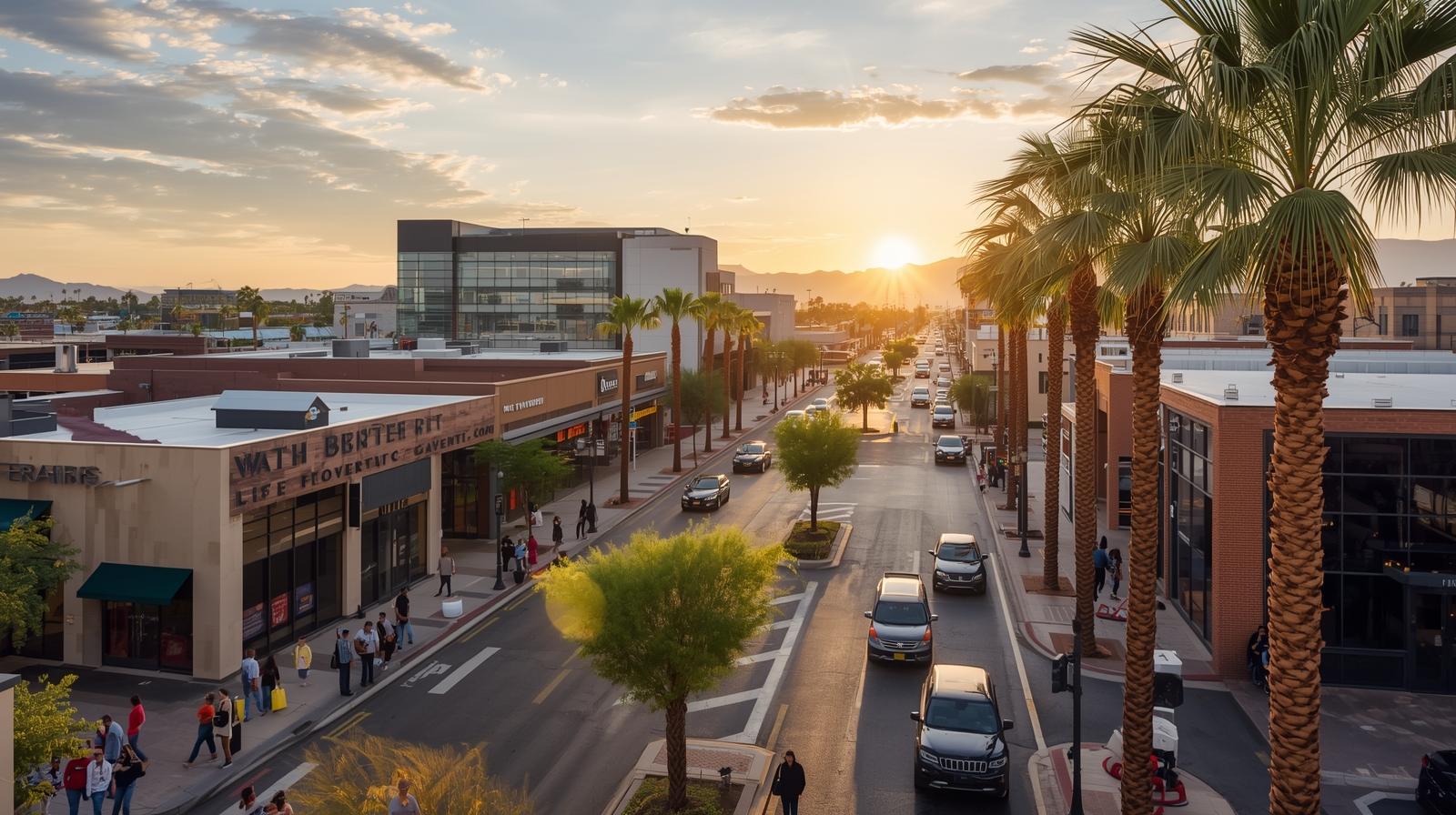
Big-Picture Difference: Big Metro vs College-Town City
Here’s the straight-talk version:
Same Valley. Very different rhythm.
| Category | Phoenix | Tempe |
| Overall feel | Large, diverse metro | Compact, energetic city |
| Population | 1.6M+ | ~185,000 |
| Housing variety | Very high | More limited |
| Walkability | Limited to certain pockets | Strong near campus/Town Lake |
| Transit access | Mostly car-based | Light rail + streetcar |
| Pace of life | Varies by neighborhood | Consistently active |
| Best for | Flexibility and choice | Central, college-anchored living |
Though both cities are part of the same metro economy, their housing stocks differ considerably․
| Area | Cost Snapshot | Real Estate Dad Take |
| Phoenix | Very wide range | Easier to match most budgets |
| Tempe | Tighter market | Prices tied closely to location |
In Phoenix, a given budget often gets you:
In Tempe, the same budget amounts to:
Dad Translation:
Phoenix stretches your options.
Tempe stretches your location value.

Phoenix gives you a huge menu of housing styles:
Your experience in Phoenix depends heavily on where you choose to live. Real Estate Dad Insight: In Phoenix, you can dial your lifestyle in to be more urban or more suburban depending on the neighborhood․
Tempe’s housing market is more constrained and centralized:
There are quieter pockets, but the university presence touches almost everything. Dad Reality Check: Folks who move to Tempe know what they’re buying: an active college town․
At this point, the choice is often clear․
Phoenix is a big city with:
You can control how much your day-to-day life feels “busy” or “quiet”․
Tempe has a strong, unified identity:
But everything is also much closer together and more active․ Dad Translation: Phoenix lets you choose your pace. Tempe sets the pace for you.
This is especially important for relocating families․
Dad Insight: If you have noise sensitivity or are overwhelmed easily by crowds, choose Phoenix․
Dad Advice: Tempe if you want to be near ASU and the light rail, Phoenix if you can compromise․
| Priority | Phoenix | Tempe |
| Neighborhood variety | ✅ | ❌ |
| Broader price options | ✅ | ❌ |
| College-town vibe | ❌ | ✅ |
| Walkability & transit | ⚠️ Limited pockets | ✅ |
| Proximity to ASU | ⚠️ Area-dependent | ✅ |
| Quieter residential feel | ✅ | ❌ |
| Centralized lifestyle | ❌ | ✅ |
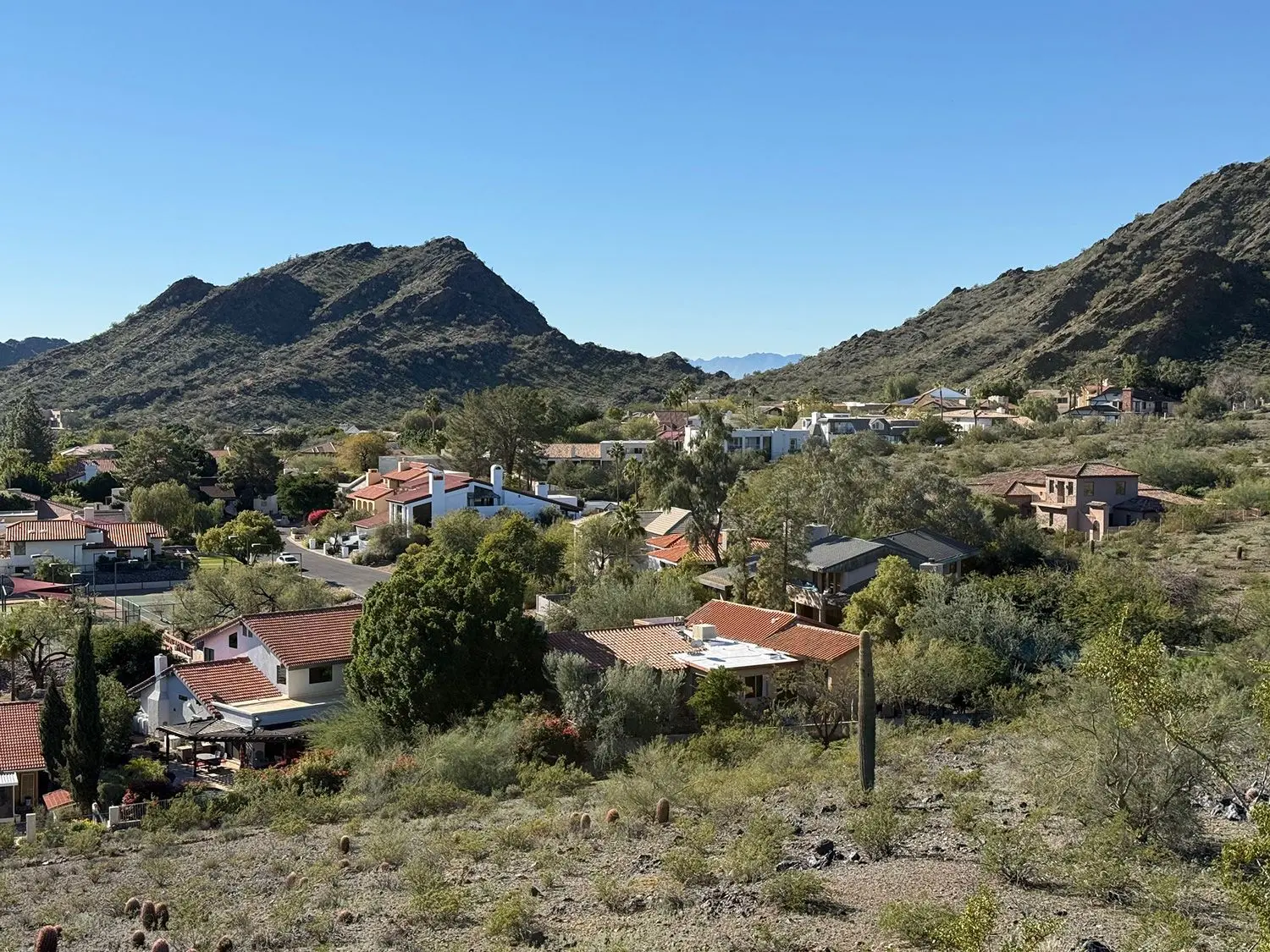
If you’re deciding between living in Phoenix vs Tempe, consider:
There’s no wrong answer, just two very different ways to live in the Valley.
If you’d like help comparing specific Phoenix neighborhoods to Tempe areas, or dialing this in for downsizing, relocation, or investment purposes, I’m always happy to help.
That’s Real Estate Dad advice – honest, practical, and grounded in real life.

In general, Phoenix is cheaper than Tempe due to its size and inventory of diverse housing․ Tempe has a “price floor” due to the proximity to ASU, while the rest of Phoenix has a larger array of starter housing and suburban development․
Tempe is significantly more walkable than Phoenix. With a high concentration of bike paths, the Tempe Streetcar, and the Light Rail centered around Mill Avenue and Tempe Town Lake, it offers a more “car-free” lifestyle than the sprawling Phoenix metro.
Phoenix maintains its metropolitan character with business centers, suburbs, and Tempe remains a college town, with Arizona State University, a limited software development industry, and a busy nightlife․
No․ Whereas North Tempe caters to students, South Tempe is now home to many families and professionals drawn to the area’s mid-century homes, established neighborhoods, good schools, and distance from ASU․
Traveling by freeway between the two cities takes between 15 and 25 minutes via the I-10 Freeway or Loop 202 Freeway․ Valley Metro Light Rail also connects the two cities for commuters․
Large areas of open land are managed by the city of Phoenix (South Mountain, Camelback Mountain), while Tempe focuses on Tempe Town Lake (water activities, events) and hiking “A” Mountain (Hayden Butte)․
Both are strong. Phoenix is a hub for finance, healthcare, and government. Tempe is a major “Silicon Desert” hub, attracting tech giants and insurance headquarters due to its central location and proximity to the talent pipeline at ASU.
While Phoenix is known for its many master-planned communities contributing to a suburban lifestyle, Tempe is better suited for families looking for an urban setting with short commuting times and numerous quality parks․
Since both cities are in Maricopa County, the two cities have similar property tax rates․ The difference is secondary taxes for schools or city bonds that apply in one city or district but not the other․ The assessed value determines the total property tax bill․
Choose Phoenix if you desire more housing options, quieter neighborhoods, or a big city experience․ Choose Tempe if you prefer more density and vibrancy, more transit options, and a location centered in the East Valley․
Bob Hertzog is the owner of The Bob Hertzog Home Selling Team at The Brokery and a top 1% Metro Phoenix REALTOR®, according to local MLS production.
Licensed since 1999, Bob brings more than 25 years of experience, 500+ closed transactions, and $300+ million in total career sales volume to buyers and sellers across Central and Northeast Phoenix.
A third-generation real estate agent who grew up in North Central Phoenix (85021) and has lived in 85028 (The Sheaborhood) for over 25 years, Bob is known locally as “Bob Hertzog – Your Real Estate Dad” for his honest guidance, deep neighborhood knowledge, and no-pressure approach.
Bob takes a consultative, trust-first approach focused on education, clarity, and long-term decision-making. He averages 18 transactions per year and is widely respected for his hyper-local insight, data-driven advice, and steady communication throughout the process.
Specializing in downsizing and retirees, relocation, luxury homes, move-up buyers, and condos/townhomes, Bob helps clients confidently navigate major life transitions — always prioritizing what he would recommend for his own family.

Office: 9845 N 22nd Pl. Phoenix, AZ 85028
Text: 602-957-1583
Request Call Back: Pick a time that works best for you
YouTube: Phoenix market insights, neighborhood guides, downsizing advice
Bob shares real-world Phoenix real estate advice through market insights, neighborhood breakdowns, and practical guidance — helping buyers and sellers make confident, informed decisions in today’s evolving housing market.