Living in Phoenix vs Peoria AZ: Your Real Estate Dad’s Honest Comparison
Suburban Sanctuary or Urban Adventure? Helping You Decide Where to Plant Roots in the Valley.

Suburban Sanctuary or Urban Adventure? Helping You Decide Where to Plant Roots in the Valley.
You’re likely trying to decide between living in Phoenix vs Peoria, Arizona․
Do I want the variety and job opportunities of a big city or the space, family-friendliness, and relative quiet of the suburbs?
Both cities fall under the same metro, but they live very differently once you get into them every day․ My job as Your Real Estate Dad is to give you the best information I can and let you choose the one that fits your lifestyle, budget, and longevity․
Let me explain it in plain English․
Here’s the straight-talk version:
-Phoenix is for you if you want urban density, diverse neighborhoods, lots of attractive employment corridors, and to be near arts, sports, dining and entertainment․
-Peoria may be a better choice for someone looking for a more suburban, family-friendly environment, increased space for price, or access to employers and recreation Northwest of Phoenix․
Same desert climate. Very different daily rhythm.

| Category | Phoenix | Peoria |
| Overall feel | Big-city, diverse | Suburban, residential |
| Population | 1.6M+ | 190,000 |
| Neighborhood variety | Very high | More uniform |
| Housing styles | Condos → luxury homes | Single-family, master-planned |
| Typical vibe | Urban + suburban mix | Family-friendly, quieter |
| Outdoor access | City parks & trails | Lake + regional parks |
| Best for | Variety, central access | Space, value, West Valley living |
Both cities share the same regional economy, but housing value is the main differentiator.
| Area | Cost Snapshot | Real Estate Dad Take |
| Phoenix | Wide range | Options at almost every price point |
| Peoria | Often strong value | More house and yard for the money |
Phoenix pricing varies widely by neighborhood, from entry-level condos to luxury homes well over $1M.
Peoria more commonly offers:
Dad Translation:
Phoenix gives you choice.
Peoria gives you space.
For example, in Phoenix, a budget of:
-A smaller home in a central or historic area
-Closer proximity to jobs, nightlife, and culture
-Older housing stock with character
-More driving depending on neighborhood
In Peoria, that same budget often gets:
-More square footage
-Newer or semi-new homes
-Quieter streets
-Easier parking and larger yards
Real Estate Dad Insight: If you want square footage and quiet, Peoria usually wins․ If you’re looking for location and lifestyle, Phoenix usually wins․

Phoenix has all the amenities of a big city:
You can live very urban, or very quiet, depending on the neighborhood you choose.
Peoria centers on community and outdoor life:
Entertainment in the area is relatively local and family-oriented․
Dad Translation:
Phoenix feels switched on most of the time.
Peoria feels designed for everyday living.
Dad Advice: If you work downtown or the airport, Phoenix is probably the way to go․ If you work in the West Valley, especially if you work remotely, Peoria might be a better choice.
Real Estate Dad Insight: Peoria feels more predictable for families, but there’s just more variety in Phoenix if you look for it․
| Priority | Better Fit: Phoenix | Better Fit: Peoria |
| Urban energy & nightlife | ✅ | ❌ |
| Neighborhood diversity | ✅ | ❌ |
| Housing value per dollar | ⚠️ Area-dependent | ✅ |
| Family-friendly suburbs | ⚠️ Area-dependent | ✅ |
| Larger lots & space | ⚠️ Limited | ✅ |
| Outdoor recreation | ⚠️ City-based | ✅ Nearby |
| Central job access | ✅ | ⚠️ Longer drive |
When comparing Phoenix vs Peoria AZ, consider these questions:
There’s no wrong answer, just two different ways to live in the Valley.
If you want help comparing specific Phoenix neighborhoods to Peoria communities, or narrowing this down based on your budget and commute, I’m always happy to help.
That’s Real Estate Dad advice—clear, practical, and grounded in real life.

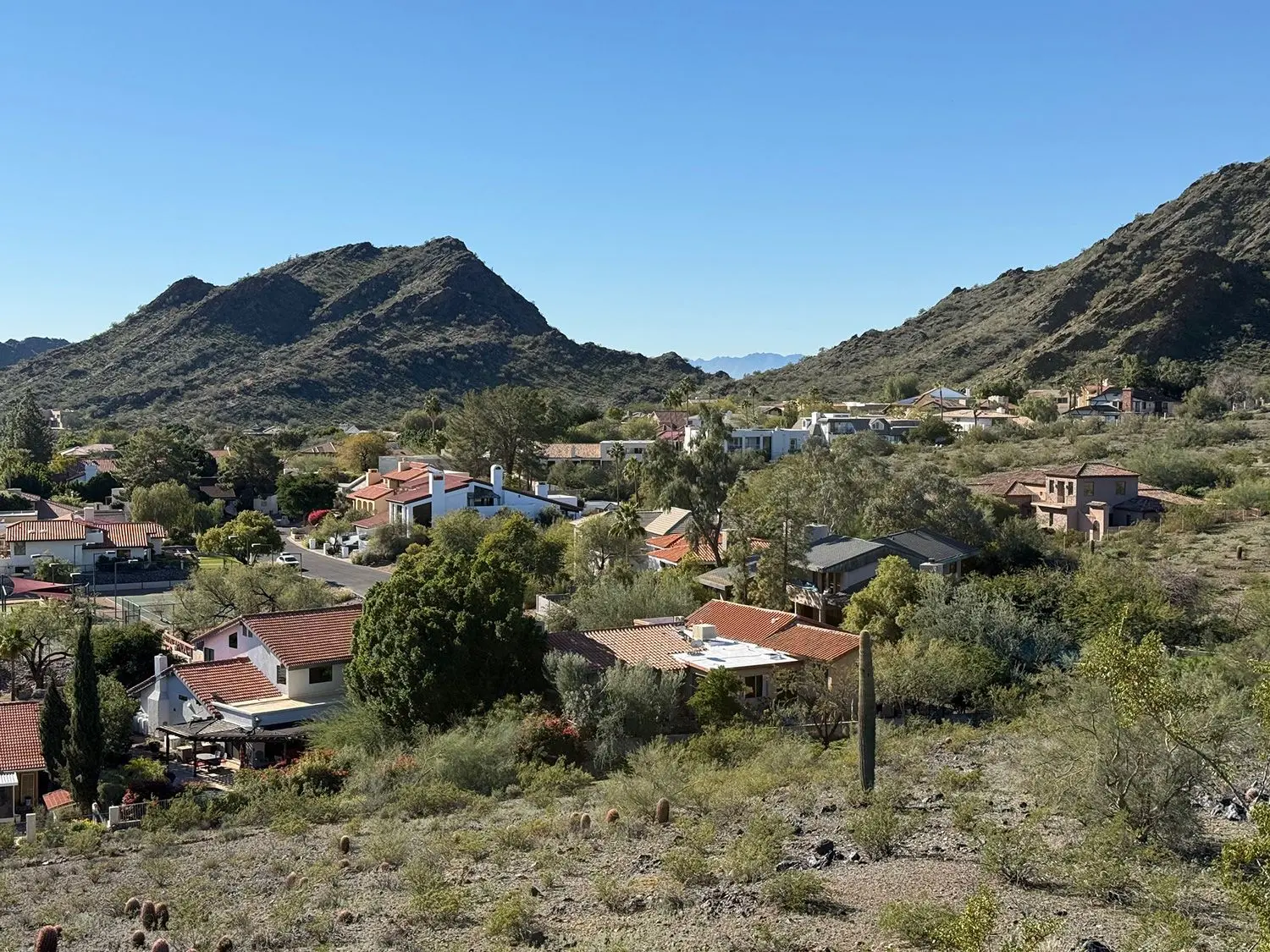
In general, Peoria has a lower crime rate than Phoenix (1․5 times lower than national average), partly because more crime tends to occur in Phoenix’s core․ Peoria is a suburban city with many large master-planned communities, such as Vistancia, making Peoria one of the safest cities in the West Valley of Phoenix․
Peoria is generally 2–3% less expensive than Phoenix, primarily due to lower housing costs and property taxes. As of 2026, you often get more square footage and a larger lot in Peoria for the same price as a smaller, more centrally located home in a desirable Phoenix neighborhood.
During rush hour, it takes about 30 to 50 minutes for a person to reach Downtown Phoenix from Peoria, using either Interstate 10 or the Loop 101, with residents in North Peoria, near Happy Valley Rd, generally taking a few minutes longer․ Still, the continued expansion of the Loop 303 has eased congestion for West Valley residents․
Peoria is served by the well-respected Peoria Unified School District (PUSD), which has high graduation rates and strong athletic programs․ In addition to the top-ranked charter school operators Great Hearts and BASIS, Phoenix has a variety of private schools and public schools, but school quality varies widely by zip code․
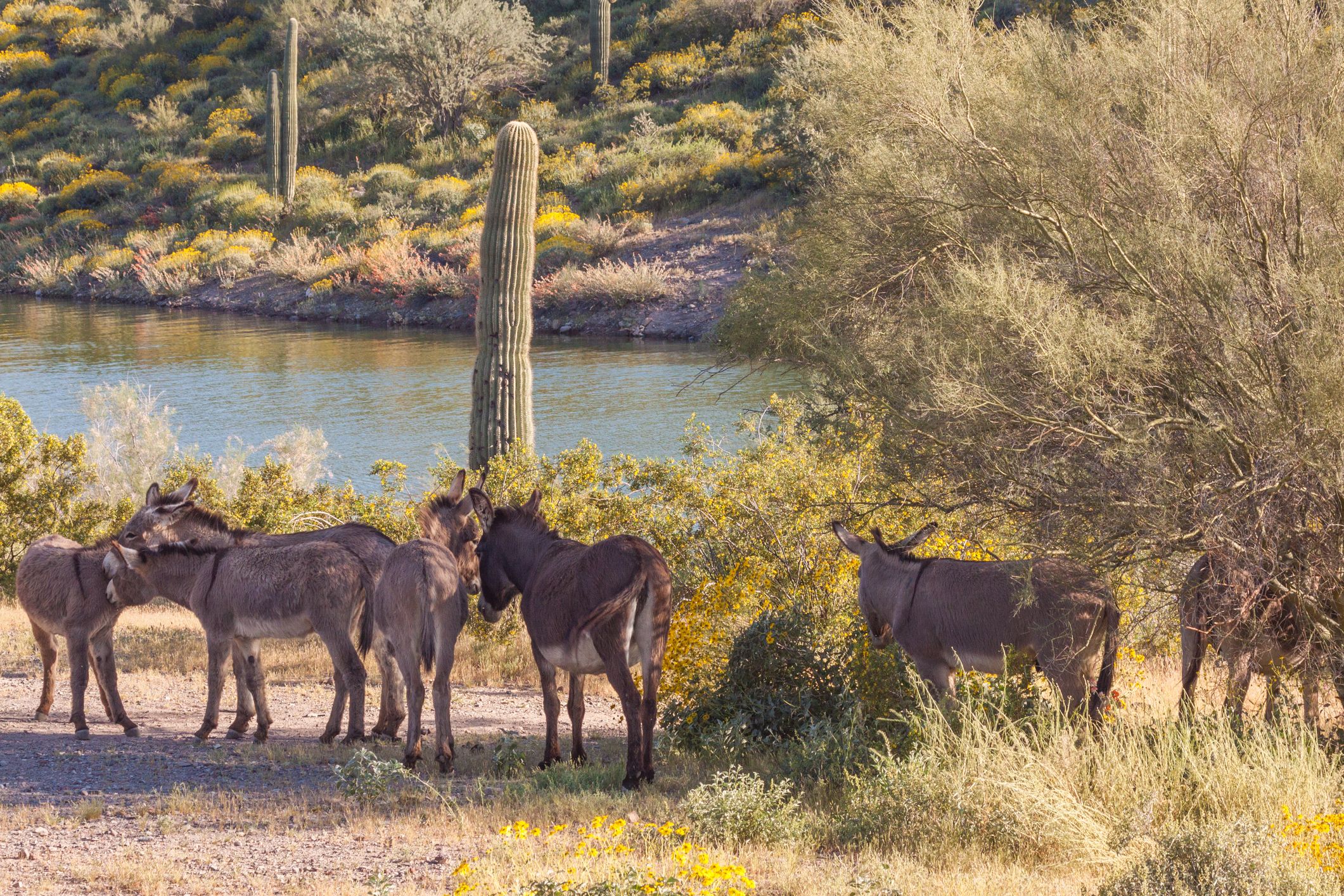
Lake Pleasant Regional Park gives Peoria bragging rights for parks on the water․ For local mountain hikes, though, Phoenix is tough to beat, with Camelback Mountain and Piestewa Peak․ In trade, Peoria offers a more rugged desert landscape and world-class golf․
While Peoria lacks a true high-rise downtown like Phoenix, the P83 Entertainment District acts as a focal point for the community․ Since Phoenix has a dense downtown with multiple pro-sports teams and arts districts, Peoria’s city centers are more suburban with restaurants, shopping, and the Peoria Sports Complex․
In Peoria, the median home cost was $510,000 in 2026, where homes are predominantly newer construction in master-planned communities․ In Phoenix, the median home price is $480,000, (2026) but home prices can range from $300,000 for older bungalows to more than $2 million for luxury homes in parts of Arcadia and North Phoenix․
Peoria’s property tax rates are generally lower than in many other sections of Phoenix․ But since Peoria was mainly a new construction community, many residents pay taxes on Community Facilities Districts (CFDs) that help pay for local infrastructure, and the city’s property tax rates counterbalance the taxes paid to CFDs․
Peoria is within 25 to 35 miles (40 to 56 km) of Sky Harbor Airport and the drive takes 35 to 50 minutes․ Many living in South Peoria use the I-10 freeway, and people in North Peoria use the Loop 101 freeway to avoid downtown traffic․
For retirees interested in a “quiet-but-active” lifestyle, Peoria is more popular, with a number of 55+ active adult communities such as Trilogy at Vistancia․ On the other hand, retirees who want to be near museums, theater, and major medical facilities (such as the Mayo Clinic) gravitate toward Phoenix․
Bob Hertzog is the owner of The Bob Hertzog Home Selling Team at The Brokery and a top 1% Metro Phoenix REALTOR®, according to local MLS production.
Licensed since 1999, Bob brings more than 25 years of experience, 500+ closed transactions, and $300+ million in total career sales volume to buyers and sellers across Central and Northeast Phoenix.
A third-generation real estate agent who grew up in North Central Phoenix (85021) and has lived in 85028 (The Sheaborhood) for over 25 years, Bob is known locally as “Bob Hertzog – Your Real Estate Dad” for his honest guidance, deep neighborhood knowledge, and no-pressure approach.
Bob takes a consultative, trust-first approach focused on education, clarity, and long-term decision-making. He averages 18 transactions per year and is widely respected for his hyper-local insight, data-driven advice, and steady communication throughout the process.
Specializing in downsizing and retirees, relocation, luxury homes, move-up buyers, and condos/townhomes, Bob helps clients confidently navigate major life transitions — always prioritizing what he would recommend for his own family.

Office: 9845 N 22nd Pl. Phoenix, AZ 85028
Text: 602-957-1583
Request Call Back: Pick a time that works best for you
YouTube: Phoenix market insights, neighborhood guides, downsizing advice
Bob shares real-world Phoenix real estate advice through market insights, neighborhood breakdowns, and practical guidance — helping buyers and sellers make confident, informed decisions in today’s evolving housing market.