Living in Paradise Valley (85253): A Real Estate Dad’s 2026 Insider Guide
Beyond the Gates: Luxury, Privacy, and Scarcity in Arizona’s Most Iconic Town

Beyond the Gates: Luxury, Privacy, and Scarcity in Arizona’s Most Iconic Town
By Bob Hertzog , Your Real Estate Dad
Whether you are relocating to Arizona, looking to downsize to a luxury community, or genuinely wanting to learn more about how Paradise Valley compares to other neighborhoods in the Phoenix area, you are in the right place․
I’m Bob Hertzog․ I’m Your Real Estate Dad․ I have lived, worked, and raised our two girls in the Piestewa Peak / North Phoenix area for over 26 years․ A third-generation Realtor in the Valley, I have lived in and around Paradise Valley for decades as I have seen the market shift and families prosper through many individual, smart decisions․
This Town of Paradise Valley guide is for families, soon-to-be-retirees, or first-time visitors to Arizona who want a straight talk, plain English perspective on what living in Paradise Valley (ZIP 85253) is really like․ You’re not going to get the “chamber of commerce” pitch, but rather, a local’s perspective on living in the Paradise Valley area.
What Makes Living in Paradise Valley (85253) Different from Everywhere Else?
First things first: Paradise Valley is not Phoenix․
It’s not Scottsdale․
And it’s definitely not “Paradise Valley Village” (which is a neighborhood in Phoenix, just North of Paradise Valley)․ I know, it sounds confusing.. Hang in there with me…
The Town of Paradise Valley is its own incorporated municipality, a 15 square mile area between Phoenix and Scottsdale, with one important objective: intentional low density․
From the start, locals have fought to preserve a quiet, residential-only community:
-One-acre lot minimum zoning regulations
-No strip malls
-No apartment complexes
-No industrial development
That decision, made decades ago, is why Paradise Valley still remains one of the Southwest’s most exclusive residential housing markets․
A Quick History Lesson (Why Paradise Valley Exists)
The name Paradise Valley was established in 1889 when government land surveyors saw an oasis of greenery in the desert, due to the relatively dense stands of palo verde trees, wildflowers, and the water that ran off the mountains, causing the valley to appear green (it obviously wasn’t done in July or August)․ 🙂
After World War II, the area was settled by those who wanted a rural environment but easy commuting distance to Phoenix․ By the late 1950s, both Phoenix and Scottsdale were growing quickly and were considering annexation․
So the Paradise Valley community did something bold․
In 1961 the Town of Paradise Valley incorporated․ Zoning laws that have protected the town’s residential character for over sixty years mean today you won’t find drive-throughs, billboards or high-density development in the Town of Paradise Valley․
Paradise Valley attracts a very specific demographic, and that’s a pretty big deal if you’re considering a move.
At a glance:
Population: ~12,600
Median age: ~53
Owner-occupied homes: ~94%
Median household income: ~$236,000+
Education: Nearly 73% of residents have a bachelor’s degree or higher
What does that look like in real life?
Paradise Valley contains the following:
-Established families
-Business owners and executives
-Retirees aren’t downsizing lifestyle, they’re downsizing management․
-Buyers that have relocated from California, Texas, the Midwest, and the Northeast․
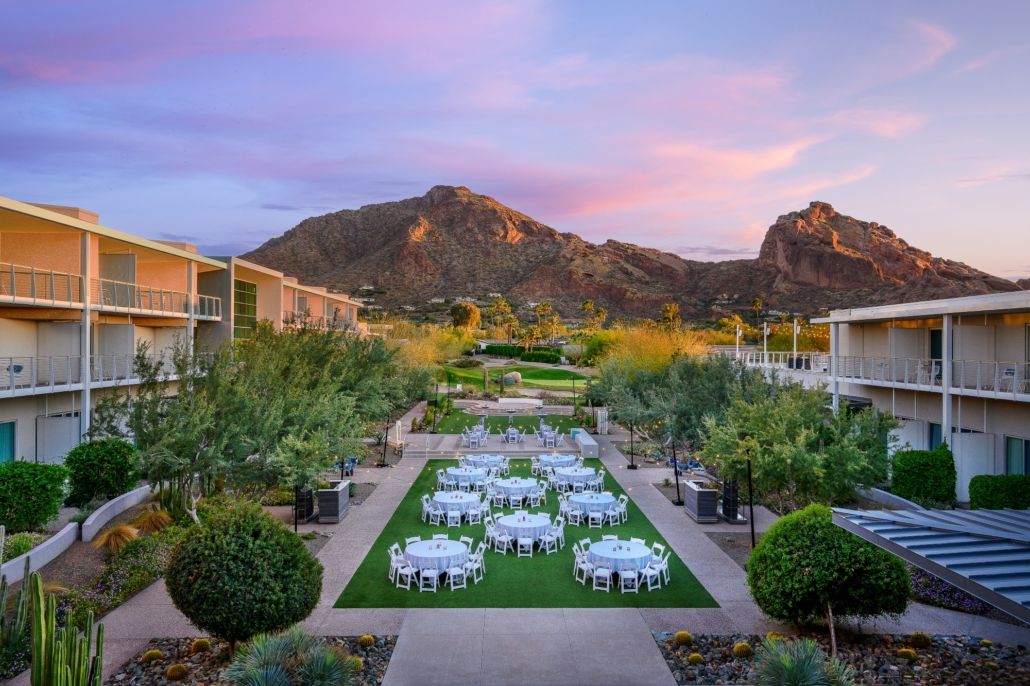
Paradise Valley is bounded by some of Arizona’s most recognizable landmarks:
Camelback Mountain (south)
Mummy Mountain (center)
Piestewa Peak and the Phoenix Mountain Preserve (West)
They’re not just pretty backdrops․
They:
-Create natural sound barriers
-Limit overdevelopment
-Influence temperature and airflow
-Dramatically impact home values
In particular, homes with views of Camelback Mountain and Mummy Mountain hold higher values, and their values hold up better historically․
Let’s talk numbers—Real Estate Dad style.
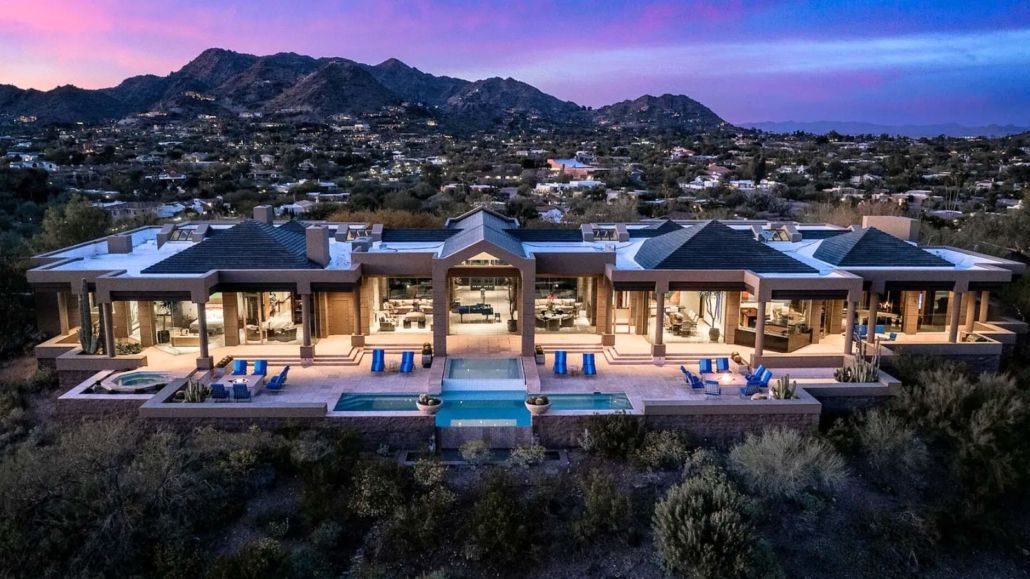
-Entry-level (teardown/major remodel): $2M to $5M
-Median sales price: ~$3․6M-$3․8M
-Luxury estates: $10M, $30M+
-Ultra-luxury trophy homes: $50M+
Inventory is always limited here․ Why?
Because:
-New land is hard to come by․
-Zoning prevents subdivision
-Many homes remain owner-occupied for long periods․
-When something special hits the market these days, and it’s turnkey, it goes․
Paradise Valley is known for:
-Pueblo Revival (earth tones, vigas, desert integration)
-Spanish & Mediterranean Revival
-Classic Ranch estates
-Sonoran Contemporary / Desert Modern
Many of these modern desert homes are now made with glass, steel, and stone to blend with the land․
Notable Paradise Valley Neighborhoods & Enclaves
A few areas my clients often ask about:
-Clearwater Hills – Guard-gated hillside estates
-Judson Estates – Large, newer luxury compounds
-Mummy Mountain Estates – Distinctive peak and vistas
-Camelback Country Club area – Golf, greenery, family atmosphere
Each pocket of the city has its own luxury, privacy, architecture․
Click Here to see a current list of homes for sale in Paradise Valley.
Important clarification:
Paradise Valley 85253 is primarily served by the
Scottsdale Unified School District (SUSD), NOT Paradise Valley Unified.
Highly regarded public options in SUSD are:
–Cherokee Elementary
–Kiva Elementary
–Cocopah Middle School
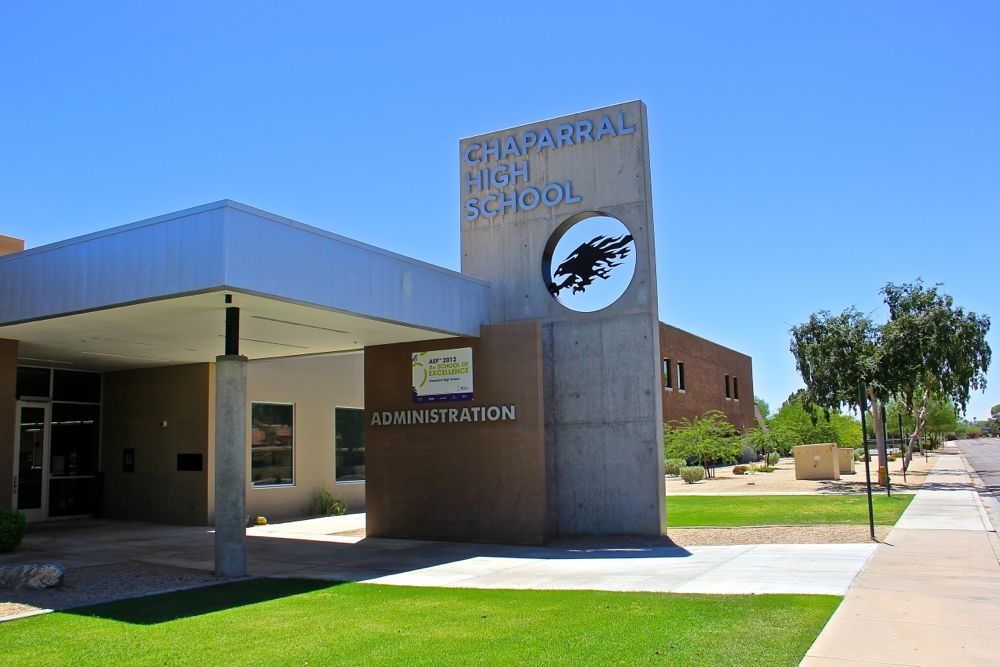
–Chaparral High School
–Saguaro High School
Enrollment in private schools is also very common, as are educational alternatives such as:
Phoenix Country Day School
Christ Church School
PV Christian Preparatory
Families relocating prefer choice and flexibility․
Paradise Valley has no downtown, by design․
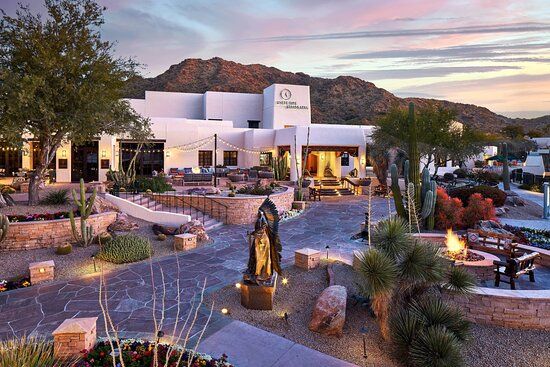
Instead, social life is based around world-class resorts like:
Camelback Inn
Sanctuary Camelback Mountain
Mountain Shadows
Ritz-Carlton Palmeraie
Residents enjoy gourmet dining, spas, golf, yoga events, and other luxuries away from commercial noise․
Safety, Services & Governance
Paradise Valley is consistently ranked as one of Arizona’s safest towns․
The local police department provides:
-Vacation watch services
-Alarm monitoring
-Rapid response times
With crime rates much lower than the state and national averages, many families choose to make this neighborhood their forever home․
Location & Convenience (Yes, You Still Get Around Easily)
Paradise Valley feels secluded, but it’s incredibly central.
-Downtown Phoenix: 20-30 minutes
-Sky Harbor Airport: ~20-25 minutes
-Scottsdale Airpark: 15-20 minutes away
Shopping, restaurants, and medical care are within minutes, in Scottsdale, Arcadia, and North Phoenix․
Is Paradise Valley Right for You?
Paradise Valley is ideal if you want:
-Privacy
-Space
-Architectural integrity
-Long-term value
-A calmer and more refined way of life․
It’s not great for if you want:
-Walkable nightlife
-Entry-level pricing
-Urban density
Final Thoughts From Your Real Estate Dad
Paradise Valley 85253 is more than a zip code; it is a lifestyle choice․
If you’re moving to the Phoenix area or downsizing as your next step and would like candid advice from someone who has been immersed in this market for many years, I would be happy to help you compare neighborhoods, values, and long-term fit․
No pressure․ No hype․ Just real advice from your Real Estate Dad․
If you like, I can also:
-Help you compare Arcadia, Biltmore and North Phoenix
-Help you decide whether to buy or rent
-Create a downsizing or relocation plan that meets your goals․
Just say the word 👋

No. Paradise Valley is its own incorporated town with its own government and zoning.
Paradise Valley Village is a neighborhood within Phoenix. The Town of Paradise Valley (85253) is separate.
There is no town property tax, but Maricopa County and school taxes still apply.
Typically one acre, which preserves privacy and low density.
Some gated communities have HOAs, but many homes do not.
Absolutely, especially for downsizers who still want space and luxury.
No retail inside town limits, but shopping is 5–10 minutes away.
Hot, but mountain proximity and low density help slightly, and homes are designed for heat.
Historically, Paradise Valley has shown strong long-term appreciation due to scarcity.
Yes, but strict zoning and hillside regulations apply.
Yes, many families value the safety, schools, and outdoor access.
Privacy, land, silence, and views, things you simply can’t replicate elsewhere.
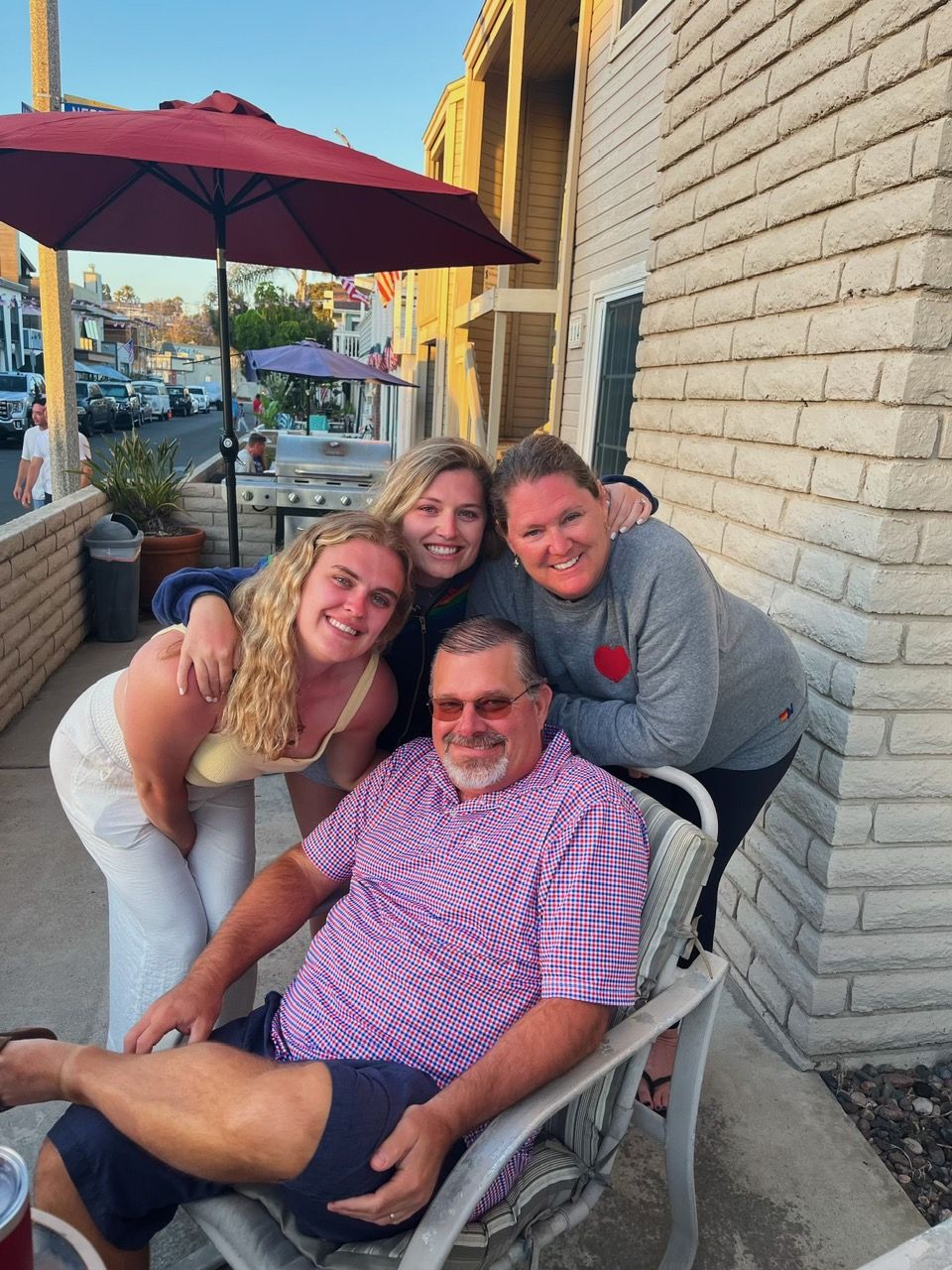
Bob Hertzog is the owner of The Bob Hertzog Home Selling Team at The Brokery and a top 1% Metro Phoenix REALTOR®, according to local MLS production.
Licensed since 1999, Bob brings more than 25 years of experience, 500+ closed transactions, and $300+ million in total career sales volume to buyers and sellers across Central and Northeast Phoenix.
A third-generation real estate agent who grew up in North Central Phoenix (85021) and has lived in 85028 (The Sheaborhood) for over 25 years, Bob is known locally as “Bob Hertzog – Your Real Estate Dad” for his honest guidance, deep neighborhood knowledge, and no-pressure approach.
Bob takes a consultative, trust-first approach focused on education, clarity, and long-term decision-making. He averages 18 transactions per year and is widely respected for his hyper-local insight, data-driven advice, and steady communication throughout the process.
Specializing in downsizing and retirees, relocation, luxury homes, move-up buyers, and condos/townhomes, Bob helps clients confidently navigate major life transitions — always prioritizing what he would recommend for his own family.
Office: 9845 N 22nd Pl. Phoenix, AZ 85028
Text: 602-957-1583
Request Call Back: Pick a time that works best for you
YouTube: Phoenix market insights, neighborhood guides, downsizing advice
Bob shares real-world Phoenix real estate advice through market insights, neighborhood breakdowns, and practical guidance — helping buyers and sellers make confident, informed decisions in today’s evolving housing market.