Phoenix vs Paradise Valley: A Real Estate Dad’s Honest Comparison
Real Talk on Lifestyles, Lot Sizes, and Property Taxes—Minus the Sales Pitch.

Real Talk on Lifestyles, Lot Sizes, and Property Taxes—Minus the Sales Pitch.
If you are comparing Phoenix vs Paradise Valley, Arizona, you may be asking yourself:
Do I want flexibility and value or maximum privacy and luxury?
Both of these are geographically right next to each other, but completely different lifestyles and cultures․ As Your Real Estate Dad, it’s not so much about the top tier or the most expensive option, but rather helping you figure out what the best option is for your life, budget and longevity․
Here’s some straight-talk for you:
Same sunshine. Very different priorities.
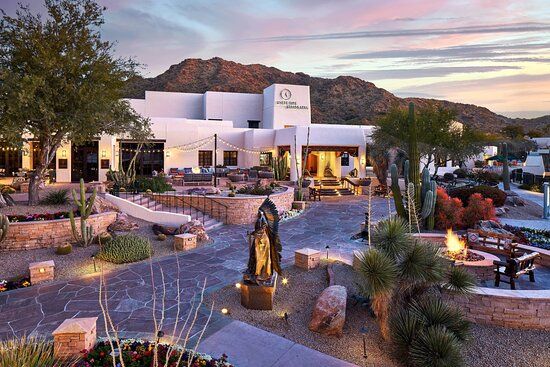
| Category | Phoenix | Paradise Valley |
| Population | ~1.6M+ | ~17,000 |
| Overall feel | Large, diverse metro | Quiet, ultra-exclusive |
| Cost of living | Broad range | Extremely high |
| Housing types | Condos → estates | Almost all luxury estates |
| Privacy | Area-dependent | Core feature |
| Nightlife & retail | Built in | Drive to nearby cities |
| Best for | Value, flexibility, everyday living | Seclusion, prestige, long-term estates |
This is where most of the decisions happen.
| Area | Cost Snapshot | Dad-Level Takeaway |
| Phoenix | Wide range | You can live comfortably at many budget levels |
| Paradise Valley | 100%+ above US avg | Housing cost dominates everything |
Paradise Valley’s cost of living is mainly driven by large lots, custom homes, and the lack of the “entry-level” housing market component․
Phoenix, by contrast, offers:
Dad Translation:
If you are not looking for privacy, similar views and amenities are available in the neighborhoods of Phoenix, at a fraction of the price․

Phoenix gives you options: -Historic neighborhoods -Urban condos -Suburban single-story homes –Downsizing-friendly patio homes -Luxury pockets near mountains and preserves Prices vary widely depending on neighborhood, proximity to amenities, and school districts. Real Estate Dad Insight: Phoenix lets you right-size your housing as your life changes.
Paradise Valley is almost entirely: -Custom estates -Large lots -Long driveways -Gated or semi-gated environments -One-of-a-kind architecture There is virtually no starter housing and very little multifamily development. Dad Reality Check: Buyers usually arrive in Paradise Valley already knowing this is a long-term or generational home.
Even if the purchase price isn’t a concern, carrying costs come into play.
Dad Advice: Owning in Paradise Valley is not just a budget decision, but also more of a lifestyle decision․
Phoenix offers full metropolitan amenities:
You don’t have to leave Phoenix to live your life.
Paradise Valley is essentially an oasis:
Residents often frequent:
Dad Translation: Phoenix is where you live. Paradise Valley is where you retreat.
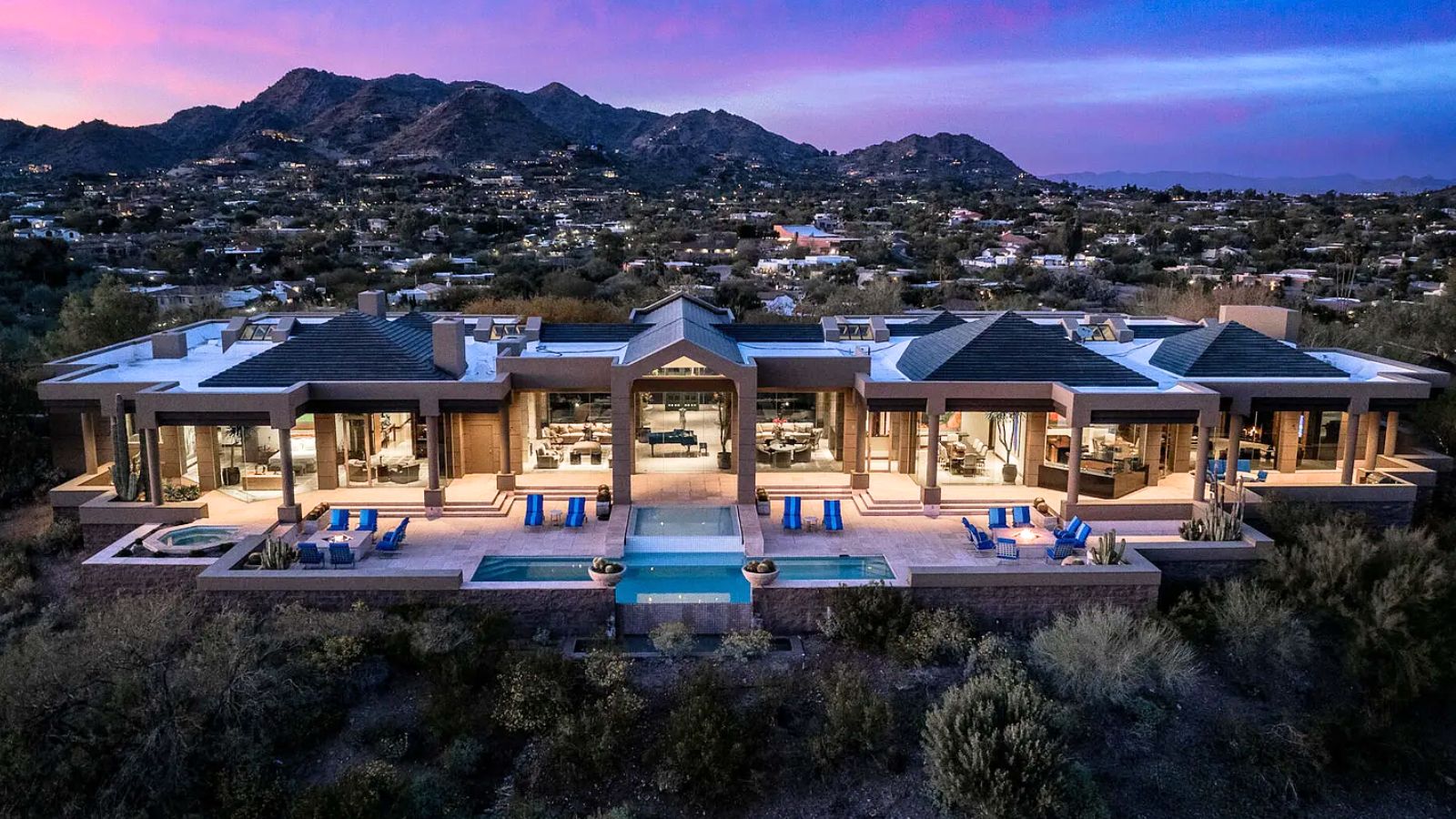
| Feature | Phoenix | Paradise Valley |
| Lot sizes | Small → large | Large by default |
| Neighbor proximity | Varies | Very spaced out |
| Street traffic | City-dependent | Minimal |
| Visual uniformity | Mixed | Understated luxury |
Paradise Valley is often compared to a desert Beverly Hills, just not as flashy, but unmistakably elite.
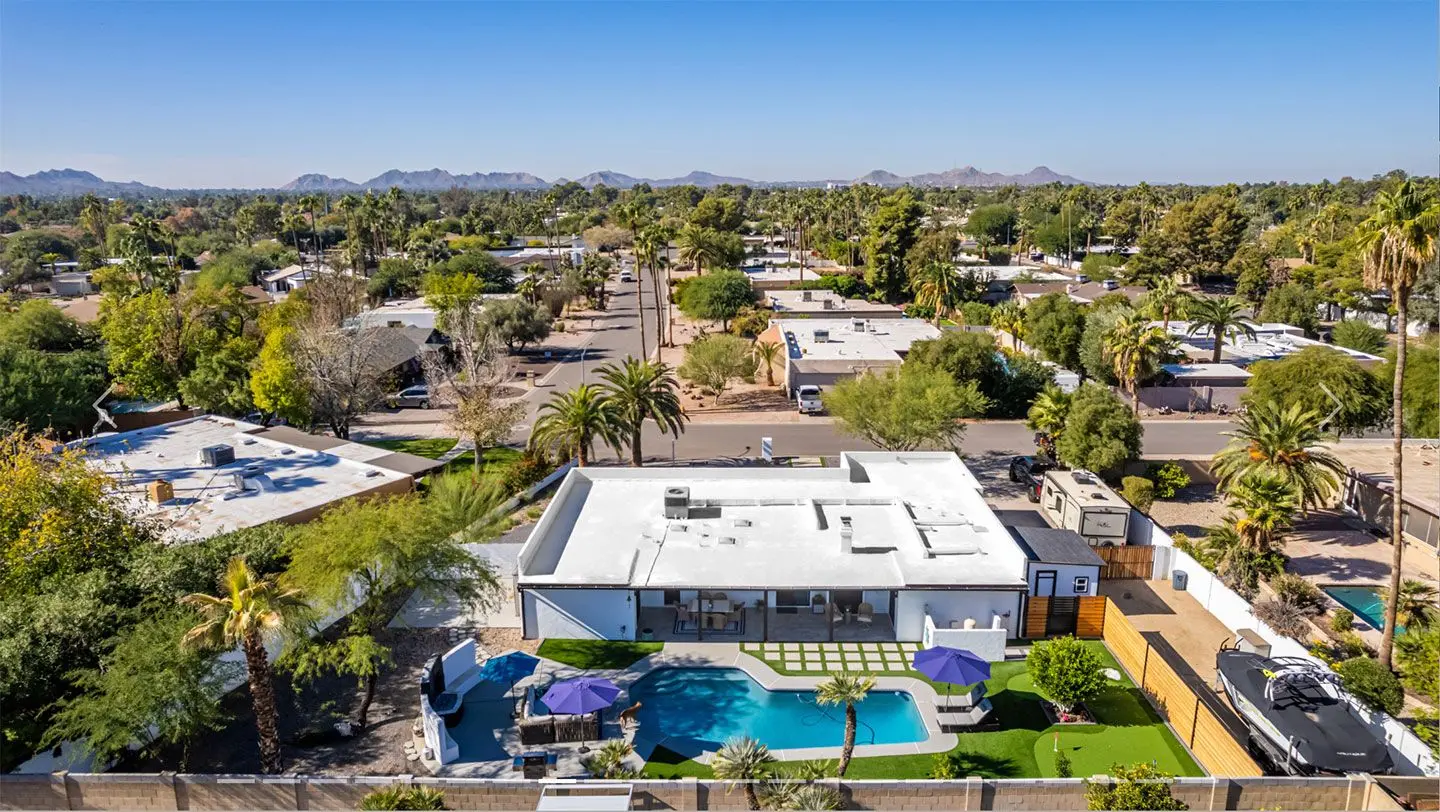
Phoenix provides privacy in a limited, but not ubiquitous, fashion․
Dad Insight: Paradise Valley residents have traded convenience for peace․ Phoenix residents have gotten convenience by default․
| Priority | Phoenix | Paradise Valley |
| Lower overall cost | ✅ | ❌ |
| Housing flexibility | ✅ | ❌ |
| Maximum privacy | ⚠️ Area-based | ✅ |
| Ultra-luxury estates | ⚠️ Limited | ✅ |
| Urban convenience | ✅ | ❌ |
| Quiet, low traffic | ⚠️ Neighborhood-based | ✅ |
| Value per dollar | ✅ | ❌ |
When comparing Phoenix vs Paradise Valley, ask yourself:
There’s no wrong choice, just a very different experience.
If you’d like help comparing specific Phoenix neighborhoods, exploring downsizing options, or figuring out what actually makes sense for your stage of life, I’m always happy to help.
That’s Real Estate Dad advice – clear, calm, and grounded in real life.

In 2026, the cost of living in Paradise Valley was around 58% higher than the average in the state of Arizona, with housing being the primary factor affecting costs․ Unlike Phoenix, which contains entry and low-mid-level housing, Paradise Valley consists almost exclusively of multi-million dollar luxury estates․ There is little to no “starter home” segment in Paradise Valley․
The biggest difference is that the Town of Paradise Valley does not have a traditional municipal property tax. Residents only pay county and school district taxes. Phoenix residents pay a standard city property tax, but their overall cost of home ownership is often lower due to significantly smaller lot sizes and reduced maintenance expenses compared to Paradise Valley.
The zoning ordinance in Paradise Valley requires a minimum parcel size of one to two acres, which allows for large “buffer zones” separating a property from its neighbors․ The exclusive communities in the city, such as Arcadia and The Sheaborhood, are in the minority, with the majority of the city having a higher-density suburban or urban grid․
Paradise Valley is a “central oasis” located approximately 15 to 20 minutes (8–10 miles) from Downtown Phoenix. This makes it an ideal location for executives or professionals who want a resort-style home while remaining close to the city’s financial district, sports arenas, and the Sky Harbor International Airport.
Yes. Paradise Valley is primarily served by the Scottsdale Unified School District, known for top-tier academics. Phoenix is served by multiple districts, including the high-ranking Paradise Valley Unified School District (which, confusingly, serves North Phoenix, not the Town of Paradise Valley) and various prestigious private and charter schools.
Luxury homes in Paradise Valley are typically custom-designed large residences or villas in the Mediterranean style on over an acre, while in Phoenix they may include historic 1920s bungalows, mid-century modern ranch houses, downtown high-rises, or suburban master planned communities․
No․ Paradise Valley is a residential-only, car-dependent and isolated community, not a tourist destination․ If you want to be near your coffee shops or bars, or within walking distance to the retail experiences, consider living in one of Phoenix’s customary neighborhoods, such as Roosevelt Row, Midtown or the Biltmore area․
No․ Paradise Valley is its own incorporated town with its own mayor, town council, and police department․ It is completely surrounded by the cities of Phoenix and Scottsdale, but retains its own building codes, zoning codes, and government services․
As of early 2026, Paradise Valley has the highest home prices in Arizona, with the median home price being well over $3 million․ In comparison, the City of Phoenix has a median home price of approximately $495,000, though some homes in highly affluent areas and gated communities are worth several million dollars․
Most simply, convenience is a smaller upfront cost and closer proximity to such conveniences․ In Phoenix, buyers are drawn to “lock-and-leave” condos, historic charm, and a busy lifestyle not available to suburbanites․ Homebuyers frequently like Paradise Valley for its prestigious community identity, its history of generational land ownership, and its resort-like location․
Bob Hertzog is the owner of The Bob Hertzog Home Selling Team at The Brokery and a top 1% Metro Phoenix REALTOR®, according to local MLS production.
Licensed since 1999, Bob brings more than 25 years of experience, 500+ closed transactions, and $300+ million in total career sales volume to buyers and sellers across Central and Northeast Phoenix.
A third-generation real estate agent who grew up in North Central Phoenix (85021) and has lived in 85028 (The Sheaborhood) for over 25 years, Bob is known locally as “Bob Hertzog – Your Real Estate Dad” for his honest guidance, deep neighborhood knowledge, and no-pressure approach.
Bob takes a consultative, trust-first approach focused on education, clarity, and long-term decision-making. He averages 18 transactions per year and is widely respected for his hyper-local insight, data-driven advice, and steady communication throughout the process.
Specializing in downsizing and retirees, relocation, luxury homes, move-up buyers, and condos/townhomes, Bob helps clients confidently navigate major life transitions — always prioritizing what he would recommend for his own family.

Office: 9845 N 22nd Pl. Phoenix, AZ 85028
Text: 602-957-1583
Request Call Back: Pick a time that works best for you
YouTube: Phoenix market insights, neighborhood guides, downsizing advice
Bob shares real-world Phoenix real estate advice through market insights, neighborhood breakdowns, and practical guidance — helping buyers and sellers make confident, informed decisions in today’s evolving housing market.