Phoenix Home Inspection: What Buyers Need to Know Before You Skip It
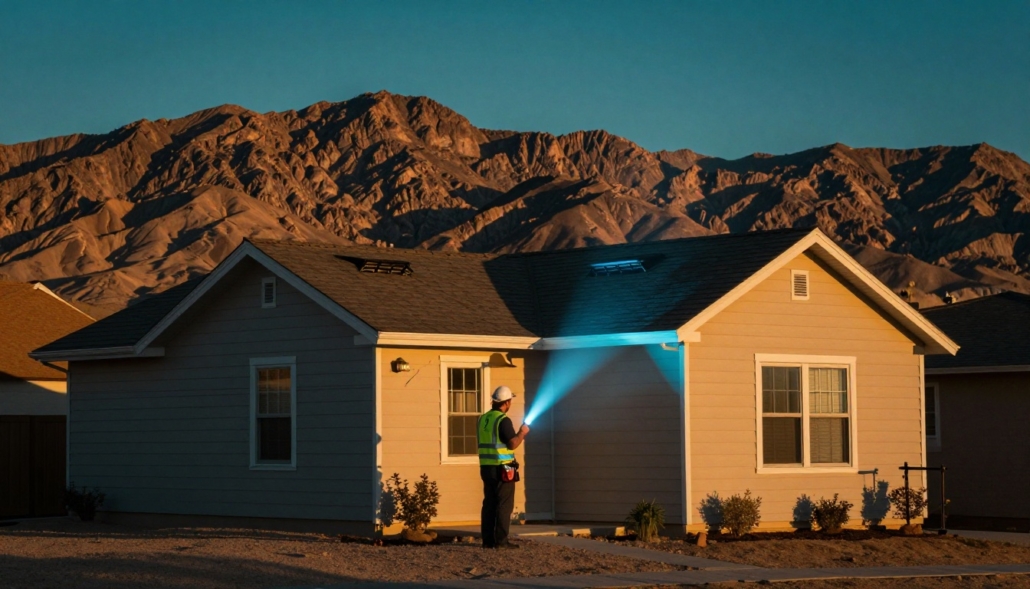
Skipping a home inspection to save a few hundred bucks is a bad gamble. In Phoenix, problems hide in roofs, attics, sewer lines, ductwork, and under slabs, and a fresh coat of paint won’t tell you much.
Bob Hertzog recently sat down with Dylan Bucknavich of ProInspect AZ to talk through the questions buyers ask all the time, plus a few issues most people never think about until they get burned. The big takeaway was simple, a Phoenix home inspection is not a nice extra. It’s part of protecting yourself.
If you’re buying a house in the Valley, this is the stuff worth knowing before you sign on the dotted line.
The first hidden issue might not be the house, it might be your data
Most buyers assume the only thing they need to worry about is what the inspector finds. Fair enough. But there is another issue floating around the Phoenix home inspection world right now, and it has nothing to do with cracked tiles or old AC units.
Some inspection software companies have figured out that Phoenix home inspection data is valuable. Think about it. A home inspection report can show the age of the roof, whether the HVAC is near the end, what components are broken, what systems are outdated, and what might need replacement. That’s gold for insurance companies, warranty companies, and alarm companies that want a shot at your business.
According to Dylan, some companies were pushing that even further by trying to force buyers into seeing third-party offers right after signing an inspection agreement online. Inspectors pushed back hard, and one company reportedly reversed course after taking heat and losing subscribers. Even so, the concern is still real, because once a software company shows its cards, you know what it wanted to do.
That matters for buyers. Nobody wants to sign up for an inspection and then start getting hammered by alarm sales calls. Nobody wants an insurance company sitting on a detailed snapshot of a home’s condition if a claim comes up later.
If you’re talking to a home inspector, these are fair questions to ask:
- Are you opted into any third-party partnerships for warranties, alarms, or insurance?
- Will my information be shared with outside companies after I book the inspection?
- Does your software provider have access to my report data in a way that exposes me to marketing or sales calls?
A good inspector should protect your information, not monetize it. If the answer feels slippery, keep looking.
What a Phoenix home inspection covers, and what it doesn’t
A home inspection is a snapshot in time, not a crystal ball.
That line sums it up better than anything. A Phoenix home inspection tells you what is going on that day, with the systems and components the inspector can access and observe. It is not X-ray vision. It does not predict the future. It does not tell you every single thing that ever happened to the house.
In Arizona, home inspectors work under a state standard of practice through the Arizona Board of Technical Registration. That matters because there is at least a baseline. A standard inspection is supposed to cover the major stuff, roof, structure, electrical, plumbing, HVAC, exterior, grounds, garage, and often appliances.
The bigger point, though, is this: the standard is the minimum. And minimum is not what you want.
Dylan made a point that a lot of buyers never hear. If an inspector only does the bare minimum standard, that’s not a strong inspection. In Arizona, the minimum can mean checking only a representative sample of some items. It doesn’t necessarily require getting on the roof, crawling through the attic, or testing appliances. A better inspector does more than the standard requires.
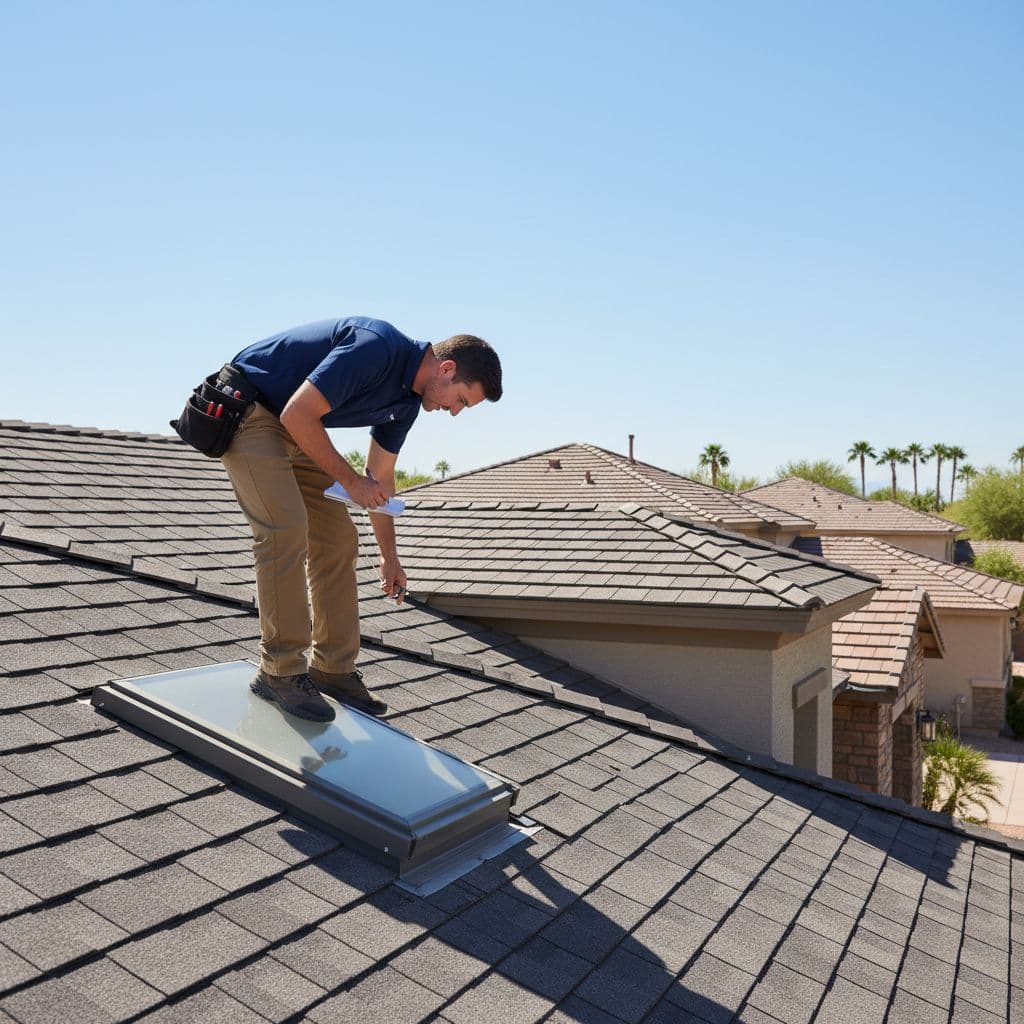
That’s a big deal in Phoenix, where roofs take a beating, attics get brutally hot, and a lot of the real story is up above the ceiling line or hidden in the details. Buyers need someone who is going to get on the roof, get in the attic, and look past the easy stuff.
Here are a few things that often aren’t part of a standard inspection unless added or offered as extras:
- Cosmetic issues, like crooked walls, squeaky doors, or the kind of little imperfections you expect in an older home
- Low-voltage items, like alarm systems, speakers, and some AV wiring
- Landscape irrigation and sprinkler systems, which are often optional
- Specialty inspections, like sewer scopes, pools, radon, termites, or solar, depending on the company
Sprinkler systems deserve their own warning label. One leak gets fixed, pressure changes, and another leak pops up somewhere else. It’s why many inspectors either offer irrigation as a limited courtesy or avoid reporting it altogether.
A good inspection is about safety, function, and the expensive stuff that can change your decision.
What Phoenix home inspections cost, how long they take, and why you should show up
Price is all over the map, because houses are all over the map. The size of the home matters. The age matters. A pool matters. Detached structures matter. Add-ons like termite inspections, sewer scopes, solar reviews, and pool inspections matter too.
For a basic home inspection in Phoenix, Dylan said buyers should expect something in the high $400s or low $500s on the lower end. Start adding services and you can get into the $700 to $900 range pretty quickly. On larger or more complicated homes, getting close to four figures is not unusual.
That sounds like a lot until you compare it to the cost of one bad surprise. A roof issue, a sewer repair, a pool problem, or a failing HVAC system can blow past that in a hurry.
As for timing, most inspections take a few hours. Buyers do not need to hover over the inspector the whole time. That’s not helpful, and honestly it gets boring fast. The better move is to show up toward the end so the inspector can walk you through the findings.
That walkthrough is a pretty big deal. A report gives you words and pictures. Being there in person gives you context. It also lets you do practical things, like find the shut-off valve, see where the main systems are, and build a little muscle memory in the house.
For out-of-state buyers, there are good workarounds. Some inspectors record a full report review on video and talk through the findings section by section, then follow up by phone. It isn’t the same as being there, but it’s a whole lot better than getting a giant PDF dropped in your inbox with no explanation.
How to read the report without freaking out
Home inspectors are, by nature, bad news fairies. You fall in love with the house, then the report shows up and suddenly it feels like everything is broken.
That’s normal.
What buyers need to remember is that the inspection is the service, and the report is the product. Once the inspection is done, the inspector’s job shifts. They are no longer just looking. They are consulting. That part is huge, because a 50-page report can be interpreted ten different ways if you read it cold with no guidance.
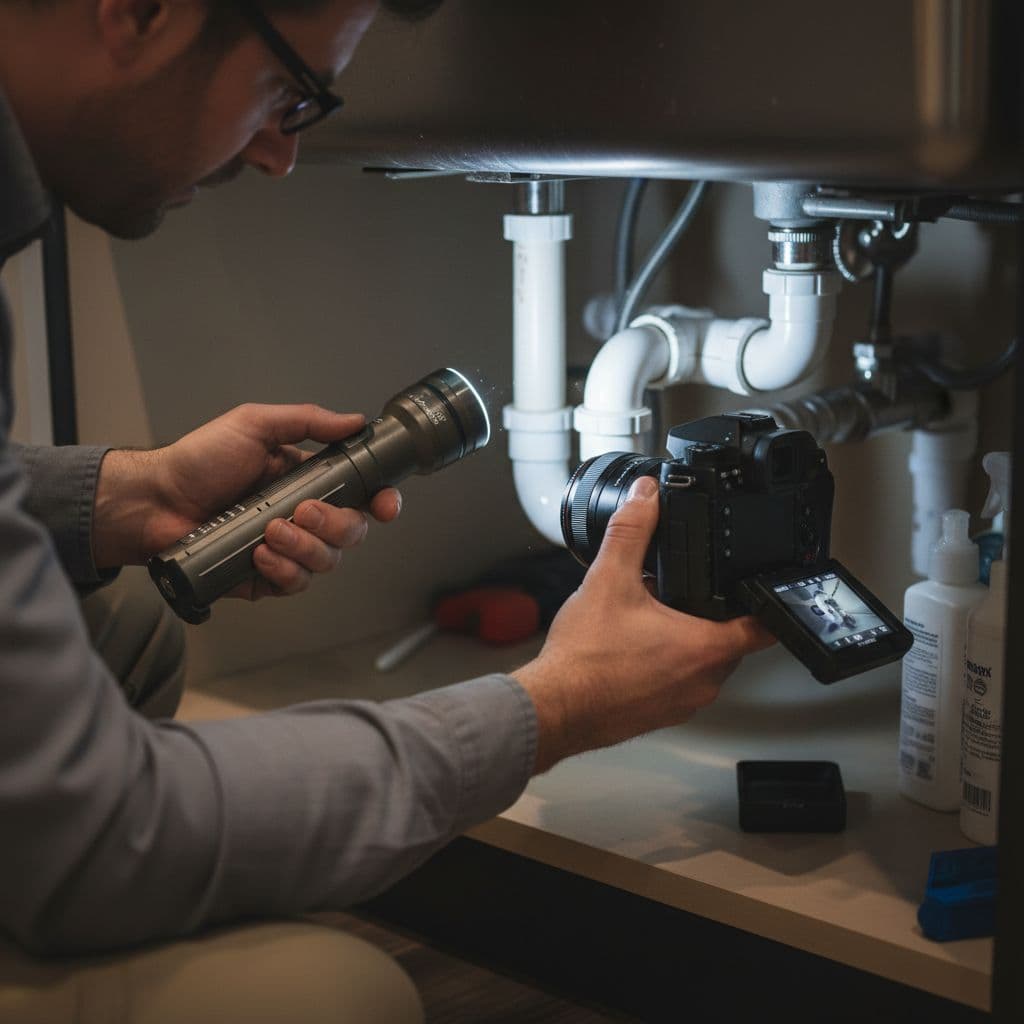
Most reports include three broad types of findings. First, there are things that are broken and need repair. Second, there are things the inspector cannot fully answer and wants evaluated by a specialist. Third, there are smaller items that technically belong in the report but may not move the needle much for the buyer.
That last category is where people can get confused. Reports often mix in little stuff, think anti-tip brackets on ranges or dishwasher drain high-loop details, right alongside bigger-ticket issues. If you don’t have the inspector or your agent helping you sort it out, every item starts to feel like a five-alarm fire.
Read the report, sleep on it, then decide what deserves a fight.
That advice is solid. The first read can be emotional. The second read is usually more productive.
The items that most often deserve closer attention from a specialist are:
- roofs
- pools
- air conditioners
If the inspector says, “I can’t tell exactly what happened here,” pay attention. That’s usually the moment to call in the roofer, pool company, HVAC contractor, plumber, or structural pro. Sometimes the answer is simple. Sometimes the seller explains it right away. An old stain may trace back to a leak that was fixed years ago. A patch of drywall might have a reasonable story behind it.
Not everything in a report is a deal killer. The key is figuring out what still needs an answer.
The red flags that deserve your full attention
Neglect, sloppy modifications, and shiny flips with bad guts
The fastest red flag is neglect. Inspectors can usually feel it the minute they walk in.
Maybe the stucco is peeling. Maybe paint is failing. Maybe the HVAC filters are filthy and the inside of the cabinets smells musty. Maybe nothing has been maintained and the whole place feels like it got dragged to the finish line. When the basics are ignored, it raises the odds that bigger things got ignored too.
Then there are the homes that look good at first glance, but only because somebody spent money on the pretty stuff. Flips are the classic example. New counters, fresh flooring, bright paint, trendy fixtures, all nice. But if the plumbing under the sink is a mess, the water heater is rough, the panel looks hacked, and the roof is hanging on by a thread, you are looking at lipstick on a pig.
Dylan said he has a few places he checks right away in a flip. Under sinks. Around the water heater. At the roof. Around the shower pan. Those spots tell the truth fast.
Hidden cover-ups are another warning. Rocks stacked against a stem wall can hide a crack. An area rug can be covering a tile crack from settling. A suspiciously empty room with a pile of boxes in one corner might be hiding damaged flooring or wall repairs. When someone is hiding one thing, buyers have to wonder what else they didn’t want seen.
Sewer scopes are cheap, sewer repairs are not
If there is one add-on inspection that keeps saving buyers from disaster, it’s the sewer scope.
A sewer scope runs a camera through the home’s drain line so the inspector can see what condition it’s in and where it runs. In Phoenix, this matters a lot more than many buyers realize.
Homes from the 1960s and 1970s may have cast iron under the slab. Some older homes may also have Orangeburg pipe, a paper-based product that has a terrible reputation and often means replacement is coming. Out in the yard, you may find clay pipe, which can hold up fine unless roots or breaks become a problem. Even newer homes with ABS plastic are not immune. Bad slope, construction debris, or installation errors can still create major backups.
This is why spending $250 to $350 for a sewer scope is easy money. In one example Dylan shared, a buyer almost skipped it, then agreed to it, and the inspection uncovered a line issue that would have cost around $25,000 to $30,000 to fix. In another case, a 10-year-old home had about 40 feet of submerged sewer line because it had been sloped wrong. That repair was around $30,000 too.
If cast iron is still intact, there may be a lining or sleeving option before it fails completely. Once it breaks, though, you can be looking at cutting slabs and tearing through flooring to replace lines. Older homes in areas like Uptown Phoenix/85014 are notorious for having cast-iron issues.
And sellers, this part matters too. If you’ve had sewer backups before, disclose it. Having the line cleaned out once does not erase the history. If you don’t say it, there is a good chance a neighbor will.
Roofs, attics, and altered trusses can get expensive fast
Phoenix buyers often look at ceilings first. No stain, no problem, right? Hold your horses…
A roof can be near the end of its life and still not show obvious staining inside, especially in a dry climate where rain events are spaced out. That’s why a solid roof inspection doesn’t stop at the shingles or tiles. The inspector should be looking at the roof itself, the ceilings, the window headers and sills, and the attic.
Water staining on attic insulation or ductwork is a dead giveaway. Fresh paint can be another clue. Thermal imaging can also show active moisture that you can’t see with the naked eye.
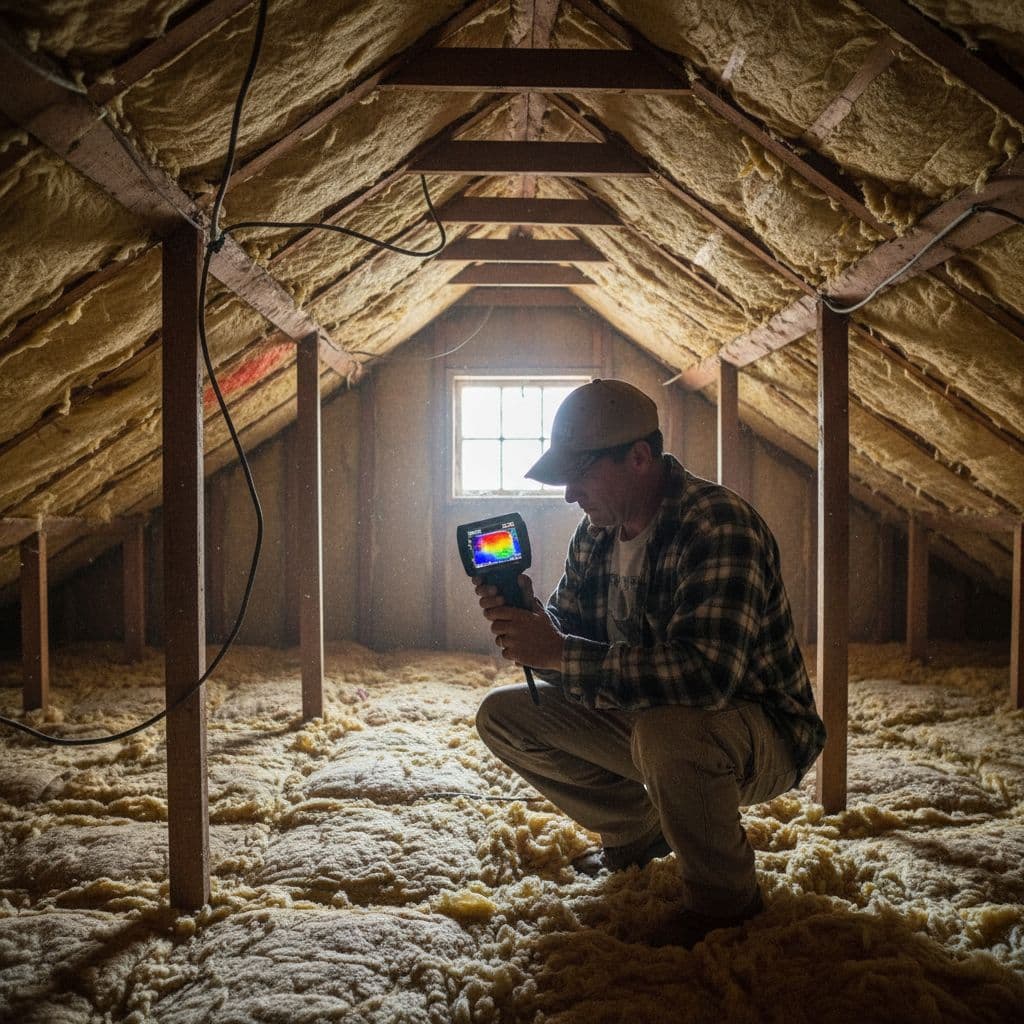
Structural issues belong in this category too. One that gets ignored too often is altered roof trusses. In Arizona, HVAC equipment often sits in the attic. When those units get replaced, installers sometimes cut or modify framing to make room. Sometimes the repair is simple. Sometimes it is not. A hacked truss can trigger an expensive structural correction and create problems that travel through the house.
Foundation cracks can fall into the same bucket. Some are minor. Some are not. Stucco cracks are common, but neglected exterior cracking or failed finishes can become a much bigger repair if they are left alone.
This is a good place to separate fear from fact. Here’s a quick reality check on a few common home inspection myths in Phoenix.
| Myth | Reality |
|---|---|
| “No ceiling stain means the roof is fine.” | Roof problems often show up in the attic, at the roof surface, or through moisture tools before they stain drywall. |
| “A newer home doesn’t need a sewer scope.” | Even a 10-year-old home can have a major drain line problem if it was installed wrong. |
| “Termites mean you should run.” | In Arizona, termites are common and usually manageable with treatment and yearly monitoring. |
| “If the seller had the sewer cleared, the issue is gone.” | A backup history still matters and should be disclosed. |
| “A flipped house is updated, so it’s safer.” | Cosmetic updates can hide rushed work, failed shower pans, bad flashing, or roofing problems. |
The takeaway is simple, the biggest risks are often the ones buyers can’t see during a 15-minute showing.
What scares buyers the most, but usually isn’t the end of the world
Termites scare a lot of people, especially buyers coming from places where termite damage tends to be a much bigger catastrophe.
Arizona is different.
Dylan’s take was pretty blunt. We have “won the termite lottery” here. They are everywhere. The upside is that they are usually manageable if the home gets inspected and treated as needed. He said a large percentage of homes show some evidence of past treatment, and roughly 30% to 40% show evidence of termite activity or prior tubes. About half of those may be active when inspected.
That sounds scary, but context matters. Termites in Phoenix are often a maintenance issue, not an automatic deal breaker. They usually take a long time to create major damage, and regular inspections go a long way.
The exception is when termites team up with water damage. That’s when the damage can ramp up faster. On their own, though, termites are one of the most common things buyers panic about that often turns out to be manageable.
Older Phoenix homes and new builds come with different problems
Older homes have personality. They also have patterns.
In homes built from the 1960s through the 1990s, the big watch items are usually plumbing, electrical, and attic condition. In the 1960s and 1970s, sewer systems can include cast iron under the slab or older yard lines that deserve a hard look. Some older houses may have aluminum branch wiring. Homes from the late 1970s through early 1990s often struggle on efficiency, small attic spaces, weak insulation, and single-pane windows.
Those low attic spaces are a Phoenix special. In some older neighborhoods, the highest part of the attic might only be a few feet tall. That means poor air movement, brutal heat buildup, stressed roofing materials, and a more inviting environment for rodents and other problems. Add old insulation, or even asbestos-containing materials in some older houses, and the attic becomes a big part of the story.
The 1990s came with their own headaches too, including polybutylene piping in some homes and failed insulated window seals after enough years in the sun.
At the same time, not every older home is a problem. Dylan said he likes many of the solid 1950s and 1960s block homes. A lot of inspectors do.
New builds are different. They come with warranties, and there is at least a chain of command if something is wrong. That helps. But quality can vary a lot depending on the construction manager running the job. One neighborhood can have one superintendent who is on top of everything and another who gets defensive the second an inspector shows up.
The COVID building years were rough by Dylan’s account, some of the worst construction he had seen. Shortcuts, rushed work, and a “take it or leave it” attitude showed up more than buyers should be comfortable with.
Still, he made an important point. A bad new build is one thing. The worst house you can buy is often a bad flip.
Why the right inspector matters more than most buyers realize
A good inspector is not there to save the deal. And they are not there to kill it either.
They are there to show the buyer the cards.
That matters because the relationship is between the inspector and the buyer, not the inspector and the agent. Good agents respect that. Bad ones get nervous, talk over the findings, or try to downplay problems because they have “commission breath.” That’s not who you want in your ear during the inspection window.
The same goes for inspectors who blur the line between inspection and repair sales. Arizona has rules that prevent the inspector named on the report from performing repairs on that home for a year. But there are gray areas, especially when companies own multiple businesses or when a service like sewer scoping falls outside the same regulatory lane. Buyers should ask questions if the person identifying the problem also stands to profit from the repair.
The cleanest arrangement is still the best one. The inspector inspects. Contractors repair. Agents negotiate.
And yes, because this is Arizona, inspectors also find the weird stuff. Dylan talked about finding a rattlesnake skin stuffed near an air filter. Bob told a story about getting sent to check a water meter box and finding a huge Bull Snake coiled up inside. Vacant garages can hide black widows. Some homes seem to attract scorpions like it’s part of the landscaping plan.
Those stories are funny until they happen to you. But they make the point. Houses hold surprises. People live in them. People ignore them. People patch them. People hide them. That’s why you hire somebody whose whole job is to notice what the average buyer won’t.
Final thoughts
If you’re wondering whether a Phoenix home inspection is worth it, you’re asking the wrong question. The better question is whether you’re comfortable buying a house without knowing what the roof, sewer line, attic, structure, and HVAC are trying to tell you.
The right inspector is neutral, thorough, and willing to tell you the truth even when it’s inconvenient. They don’t sell your data, they don’t sugarcoat the report, and they don’t have a horse in the race.
That’s why a home inspection isn’t a good idea. It’s a must-have.