Phoenix Home Insurance Costs by Neighborhood for Families
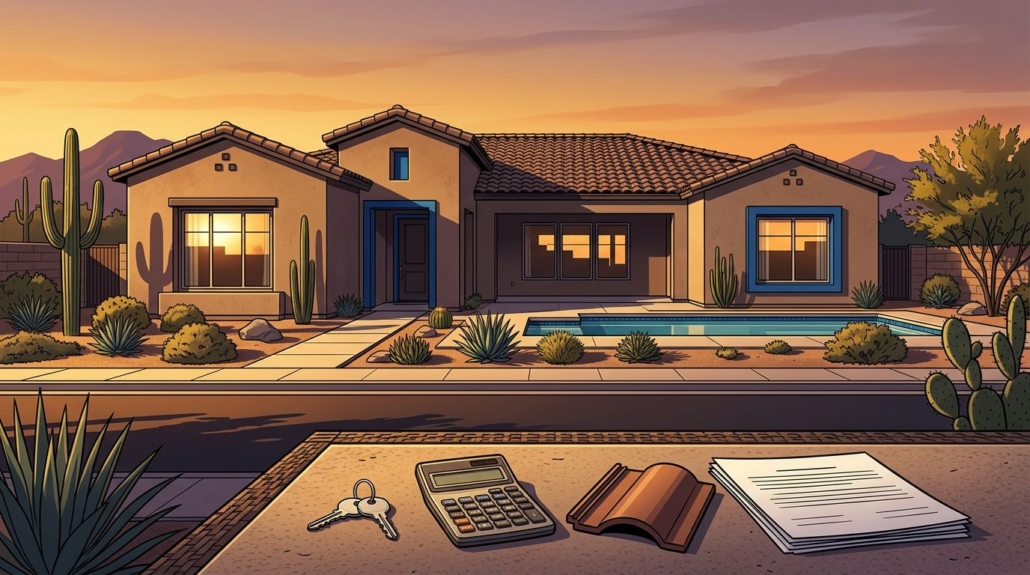
A house payment can look manageable until the insurance quote lands in your inbox. Phoenix home insurance costs have become a real budget item for families, relocating buyers, and downsizers. An average annual cost is only a starting point for budgeting, not a guaranteed quote.
I’ve sat at enough kitchen tables to know the problem. You find a home you like, then discover the roof, pool, age, location, or rebuild estimate changes the monthly number.
Before you get attached to a house, get an insurance quote in front of you. It makes the rest of the decision a lot clearer.
Key Takeaways
- Phoenix home insurance costs vary widely by address, home condition, rebuild estimate, coverage limits, deductible, and homeowner profile. Citywide averages are useful for planning, but your own quote is the number to trust.
- Dwelling coverage is based on the estimated cost to rebuild the home, not its purchase price. Land value, custom finishes, additions, pools, and older systems can all change the coverage need.
- Flood insurance is generally separate from standard homeowners insurance, while earthquake coverage may require an endorsement or separate policy. Review exclusions and ask about wildfire, water, and temporary-housing coverage before buying.
- Compare quotes using the same dwelling limit, deductible, liability amount, and replacement-cost terms. Get a preliminary quote early, keep records of upgrades, and raise the deductible only if you can comfortably pay it after a loss.
- Buyers and downsizers should include insurance in the monthly budget before making an offer. A smaller or newer home may cost less to insure, but HOA coverage, finishes, pools, and rebuild costs still need a close review.
Phoenix insurance quotes begin with rebuild math
People want one clean average. I get it. The trouble is, Phoenix insurance quotes are built around the home in front of the carrier, not a citywide average.
Current 2026 online estimates show an average annual cost ranging from roughly $1,988 to $5,125 in Phoenix. That’s a huge spread, but the websites aren’t pricing the same house, coverage limits, deductible, or homeowner profile.
Averages are a planning number, not a quote
Insurify’s July 2026 comparison put Phoenix’s average annual cost at $2,709 for a $300,000 dwelling coverage limit and a $1,000 home insurance deductible. That’s useful as a starting point. It isn’t a promise for the home you’re considering.
When I’m helping a family work out a monthly payment, I start with a wide average annual cost range. Then I narrow it once we have an address, roof age, square footage, and coverage target.
A $250 monthly premium may sound fine. A $420 quote can change the feel of a payment pretty fast.

Dwelling coverage isn’t the purchase price
Dwelling coverage, often called Coverage A, is the amount the carrier estimates it would cost to rebuild the house. It includes labor and materials, which is why construction costs matter so much.
The sale price also includes land value. In Arcadia, Biltmore, Paradise Valley, and the Magic Zip Code, land can be a major part of what you pay. A home’s market price and its rebuild figure can be very different.
Ask for the replacement cost coverage estimate behind the quote. Also ask about extended replacement cost, personal property, loss of use coverage, and personal liability coverage. Those details matter when a family has to live elsewhere during a repair.
Why the ZIP code on your quote changes the math
Phoenix home insurance costs don’t follow a tidy ZIP code chart. An insurer looks at the exact address, the house itself, nearby fire protection, past claims, property crime rates, and local weather exposure.
Here’s the neighborhood-level conversation I have with buyers before they assume one part of town will be cheaper than another.
| Area | What deserves a closer look | Why it can affect the quote |
|---|---|---|
| Uptown 85014 and Biltmore 85016 | Older homes, aging plumbing, electrical work, roofs, and remodel quality | Older systems and higher-end finishes can raise rebuild estimates |
| Arcadia 85018 and Paradise Valley 85253 | Custom construction, guest spaces, pools, and high replacement limits | More square footage and specialty materials cost more to rebuild |
| Northeast Foothills 85020 and North Central 85021 | Roof condition, drainage, mature trees, and lot layout | The home’s upkeep and site conditions matter more than a neighborhood label |
| The Sheaborhood 85028 and North Paradise Valley Village 85032 | Roof age, proximity to preserve areas, pools, and additions | Two homes a few blocks apart can present very different risk profiles |
| The Magic Zip Code 85254 | Larger lots, pools, additions, and changing home values | Coverage needs can jump when homes have been expanded or upgraded |
An average annual cost is only a planning input, not a fixed rate for every address.
The Sheaborhood needs an address-by-address look
I live in 85028, so I know how much variety sits inside one ZIP code. You can find a well-kept single-level home, a house with several additions, and a place ready for a full remodel within a short drive.
For families and downsizers, that range is part of the appeal. It also means the quote needs a closer look. A newer roof and updated plumbing can tell a different story than a similar-looking home with deferred maintenance.
If staying nearby matters, the Sheaborhood 85028 downsizing options are worth considering alongside the insurance numbers.
Weather coverage families often find too late
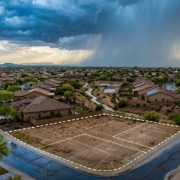
Arizona weather doesn’t send the same bill every year. Some years it’s wind and monsoon rain. Other years bring fire concerns, flash flooding, or a summer that pushes older systems hard.
A standard homeowners policy covers many common losses, including fire, wind damage, theft, and certain sudden water losses. Read Arizona DIFI’s homeowners coverage guide before assuming the policy covers every expensive surprise.
Flood insurance is separate
Standard homeowners insurance generally does not cover flood damage. Flash flood risks can send water over land after a monsoon storm, and that water isn’t covered even if it enters through a garage or patio door.
A mortgage lender may require a separate flood insurance policy for a home in a FEMA Special Flood Hazard Area. Even outside one, ask about the home’s drainage and prior water issues. DIFI’s flood and wildfire guidance explains why flood coverage is handled separately.
A broken pipe and storm runoff can both leave water on the floor, but they can be treated as completely different insurance claims.
Wildfire, earthquakes, and normal wear are different things
Fire damage, including wildfire damage, is usually part of a standard homeowners policy. Still, read the exclusions and ask about any limits before you buy near open desert or preserve land. Ask whether the carrier recognizes wildfire risk mitigation, such as defensible space.
Earthquake damage is another separate question. Arizona homeowners who want that protection may need policy add-ons, such as an endorsement, or a separate policy, according to DIFI’s earthquake coverage information.
Heat also beats up Phoenix homes. A worn-out air conditioner, tired roof coating, or aging water heater is maintenance, not an insurance claim. Nobody enjoys that answer, but it beats finding out after something fails.
Your history can outweigh your neighborhood
Two families can buy similar homes on the same street and get different premiums. The address matters, but so do the people and the history tied to the application.
Claims and credit-based insurance information matter
Carriers review your claims history, including prior water and roof claims. Coverage lapses and the property’s loss history can matter too, even when the house looks great at a showing.
Many carriers also use credit-based insurance information in rating. It isn’t the same as a mortgage credit score, though a poor credit score or inaccurate information can still hurt a quote. Pull your reports before you start shopping, and dispute errors early.
A claim is not a moral failing. Sometimes a pipe breaks. Sometimes a storm does damage. The point is to know what the carrier will see before you’re under contract.
The home’s paperwork helps
A new roof can help a quote. Updated electrical, plumbing, and water-leak sensors can help too. None of those items guarantees a discount.
Keep roof invoices, permits, inspection reports, and photos of upgrades. When a carrier asks for details, “I think it was replaced a while ago” is not nearly as helpful as a paid invoice with a date.
Lowering the bill without gutting coverage
Shopping around for quotes is not exciting. Neither is paying too much because you renewed without looking. I recommend comparing coverage at least once a year, and always before a move. Review your average annual cost at renewal, especially after insurance rate increases or other policy changes.
Compare the same policy on every quote
Get quotes with the same dwelling limit, deductible, liability amount, and replacement-cost terms. The average annual cost matters only when dwelling limits, deductibles, and coverage terms match. If one quote is much cheaper, check what changed because cheap homeowners insurance can have weaker limits or exclusions.
State Farm home insurance and American Family home insurance often appear in Phoenix comparisons, as does USAA for eligible families. Compare financial strength ratings, J.D. Power customer satisfaction, and each carrier’s AM Best rating. For higher-value custom homes, Chubb may be worth asking about, along with its AM Best rating. No carrier gets to wear the “cheapest forever” crown.
A good quote comparison includes:
- Verify the actual underwriting company and its AM Best rating. Check the home insurance deductible for wind, hail, water, and other covered losses.
- Whether the policy pays replacement cost or actual cash value for the roof and belongings.
- The amount available for temporary housing after a covered loss.
- Any pool, dog, home-business, or equipment limits that apply to your household.
Raise the deductible only if the cash is there
A higher deductible can lower the premium. It also means you pay more after a covered loss. If moving expenses already stretched the budget, don’t pick a deductible you couldn’t handle next month.
You may save when you bundle home and auto, but compare the combined bill. A lower home premium doesn’t mean much if the auto side jumps.
Before you spend money on improvements, ask the carrier what it recognizes. A documented roof replacement, defensible space near desert vegetation, and monitored water-leak device may help. The answer depends on the insurer and the home.
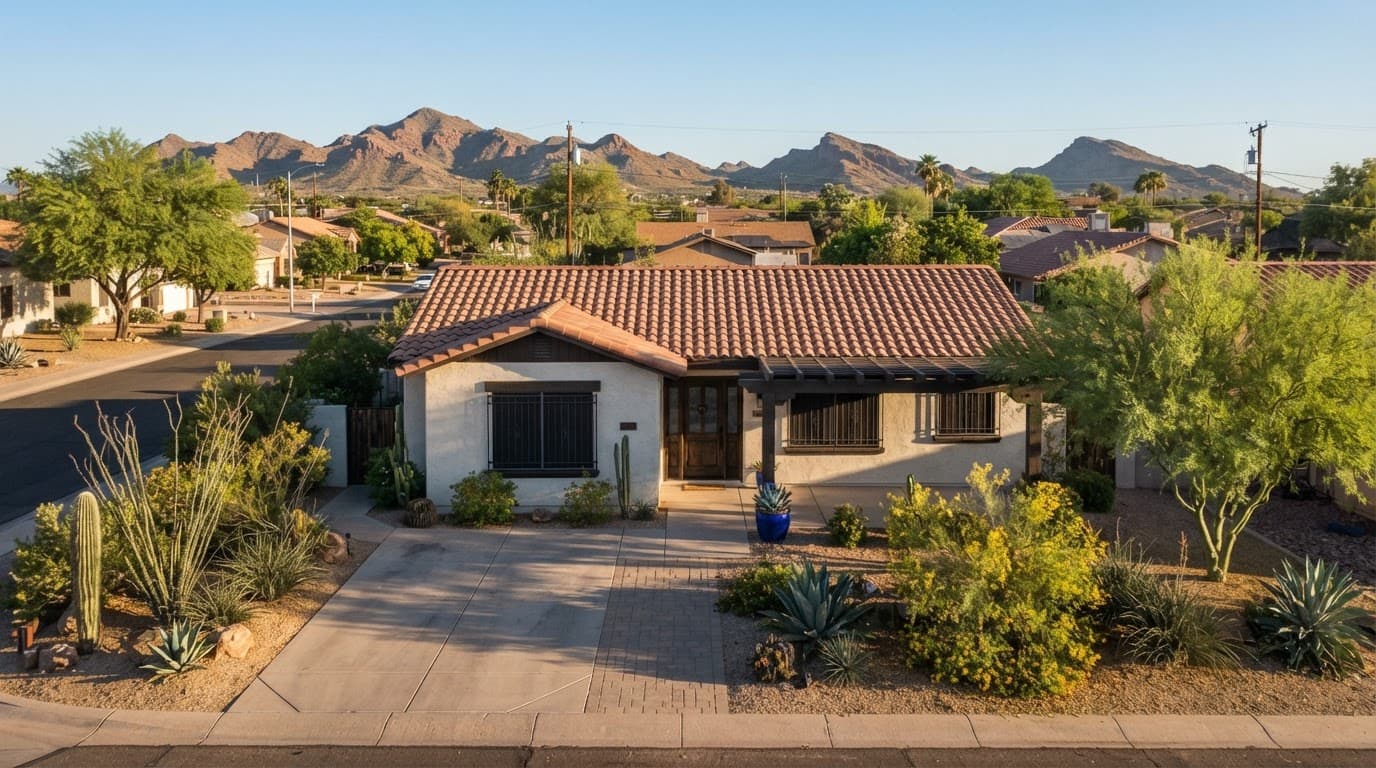
Buyers and downsizers should budget insurance before the offer
You don’t have to wait until the final week of escrow. Once you have a serious home in mind, send the address to an independent insurance agent and ask for a preliminary quote, including the average annual cost.
Get the hard questions answered early
Give the agent the home’s year built, square footage, roof age, pool information, and any known claims or upgrades. Those details help account for construction costs and the home’s likely rebuild needs.
Ask whether the agent can compare American Family home insurance with alternatives, and whether the carrier needs an inspection or limits roof coverage. Ask about the actual carrier behind the quote and its AM Best rating.
State law doesn’t require homeowners insurance in Arizona for every property owner. Mortgage lenders almost always require it, though. DIFI’s homeowners FAQ lays out that difference.
A quote that comes in high doesn’t always kill the deal. Use that real number for budgeting or negotiations, weighing it against the home’s price, condition, and your plans.
A smaller home can help, but it isn’t automatic
For seniors and empty nesters, downsizing can reduce the dwelling and personal-property coverage needed. A newer, smaller home with less roof, fewer rooms, and no pool can ease the monthly budget.
But smaller doesn’t automatically mean cheaper. A patio home with an HOA master policy, expensive finishes, or a high rebuild estimate still needs careful review. The financial benefits of a smaller Phoenix home work best when you compare the average annual cost of insurance with utilities, maintenance, and HOA costs.
Frequently Asked Questions
What is the average cost of home insurance in Phoenix?
Current 2026 online estimates place Phoenix’s average annual cost roughly between $1,988 and $5,125, depending on the source and assumptions. Those figures are planning numbers, not guaranteed quotes for a specific home.
Why can two homes in the same Phoenix neighborhood have different insurance costs?
Insurers consider the exact address, roof age, plumbing, electrical systems, square footage, pools, additions, claims history, and estimated rebuild cost. Two homes a few blocks apart can have very different risk and coverage profiles.
Does standard homeowners insurance cover flooding from monsoon storms?
Standard homeowners insurance generally does not cover flood damage from storm runoff or rising water. A separate flood insurance policy may be required or worth considering, even when the home is outside a FEMA Special Flood Hazard Area.
Can a higher deductible lower Phoenix home insurance costs?
A higher deductible can reduce the premium, but it increases what you must pay after a covered loss. Choose that option only if the deductible would be manageable alongside moving expenses and other household costs.
When should I get a home insurance quote when buying in Phoenix?
Request a preliminary quote as soon as you have a serious home in mind, preferably before making an offer. Provide the address, year built, square footage, roof age, pool details, upgrades, and known claims so the estimate is more useful.
The number worth trusting is your own quote
A citywide average annual cost is a place to start, not a number to build a move around. The home, its rebuild cost, condition, and coverage choices drive the real answer.
I’ve watched families avoid expensive surprises by asking for quotes early. The right coverage should let you enjoy the home, not worry about what happens when the next monsoon rolls in. Before choosing a carrier, review its AM Best rating as one sign of financial reliability, not a guarantee of claim payment.