
Backyard orientation in Phoenix: Check before an offer
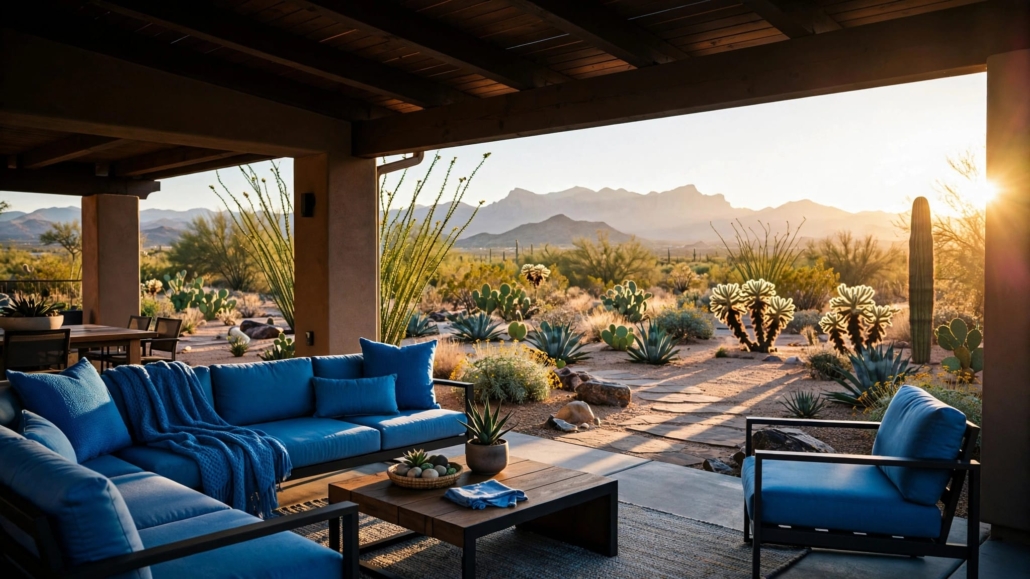
A beautiful backyard can look inviting at 10 a.m. and feel completely different at 5 p.m. For backyard orientation Phoenix buyers should look beyond listing photos and check usable shade.
The right exposure depends on when you’ll sit outside, the sun exposure on your windows, and what blocks the sun. Check the backyard shade before you commit to a house.
Key takeaways
- North- and east-facing backyards often have afternoon advantages, but existing shade matters more than the compass label alone.
- South-facing patios can balance summer shade and winter warmth when the roof or overhang is properly designed.
- Before making an offer, verify seasonal sun exposure, review utility records, and price any needed shade improvements.
Backyard orientation in Phoenix starts with your routine
I start with a simple question: When would you use the backyard?
Match the yard to your daily habits
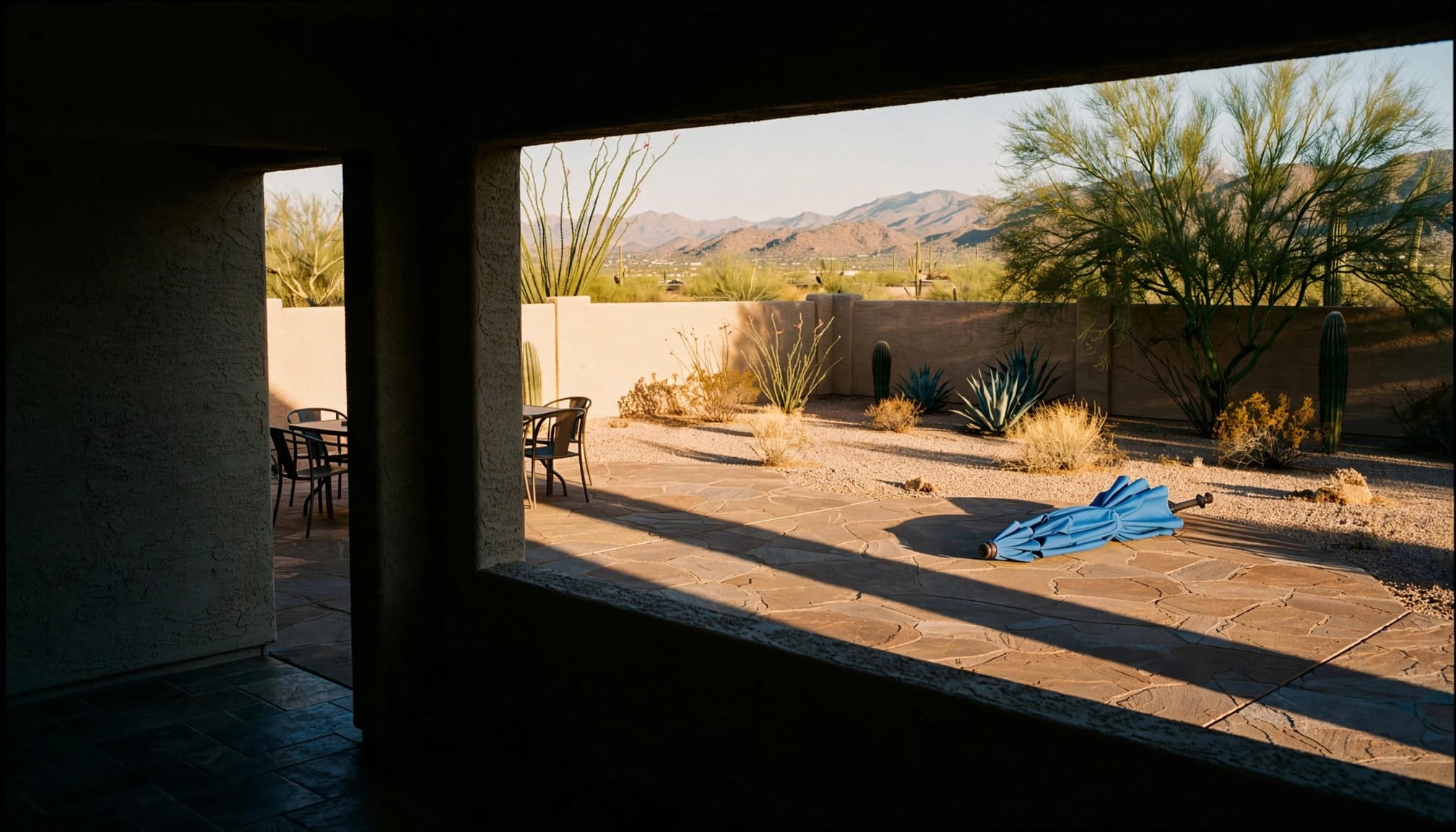
If your outdoor time means coffee before breakfast, morning sun exposure deserves attention. For dinner, an outdoor kitchen, or a swimming pool, afternoon shade can make outdoor living spaces more comfortable.
For downsizers, I also consider the work that comes with the space. A smaller shaded patio may serve you better than a large exposed yard requiring irrigation and tree maintenance.
If swimming matters more than gardening, consider whether community-pool access could reduce your backyard responsibilities. Verify access for the exact property, though. A neighborhood name doesn’t grant pool privileges.
Separate backyard direction from house exposure
I define backyard direction by looking outward from the rear of the house toward the yard. That’s different from the direction the front door faces.
A listing that says “north/south exposure” doesn’t tell you which direction the backyard faces. Confirm it.
Also check the living-room windows and bedrooms. A north-facing yard can still accompany a house with substantial west-facing glass. Your outdoor comfort and indoor cooling demand need separate attention.
Compare north-, east-, south-, and west-facing yards
Here’s how I use compass direction as an initial screening tool for sun exposure.
| Backyard direction | Common advantage | What to verify |
|---|---|---|
| North-facing yard | House shade near the rear patio | Late-summer sun from the northwest |
| East-facing yard | Morning light and potential afternoon house shade | Whether shade reaches your seating area |
| South-facing yard | Winter sunshine and possible summer roof shade | Overhang depth and exposed yard areas |
| West-facing yard | Afternoon light during cooler months | Low-angle sun, glare, and available screening |
The important distinction is patio shade versus yard shade. A covered seating area doesn’t necessarily protect the pool, garden, or route to the side gate.
North-facing patios can benefit from the house blocking southern sun. But summer sunsets shift northwest, so late-day light can still reach them. With an eastern orientation, the house may block afternoon light, depending on its height and layout.
South-facing patios deserve a fair look. Properly designed shade structures can block the high summer sun, while lower winter sunlight may reach beneath them. The Department of Energy’s passive solar design guide explains this seasonal relationship.
West-facing properties usually need more deliberate protection from afternoon sun. Low-angle sunlight can travel beneath a patio roof, so check sun exposure across the yard as well as the seating area.
I wouldn’t automatically reject any direction. I’d want to see whether the shade already works or whether improving it is realistic.
Verify shade before you make an offer
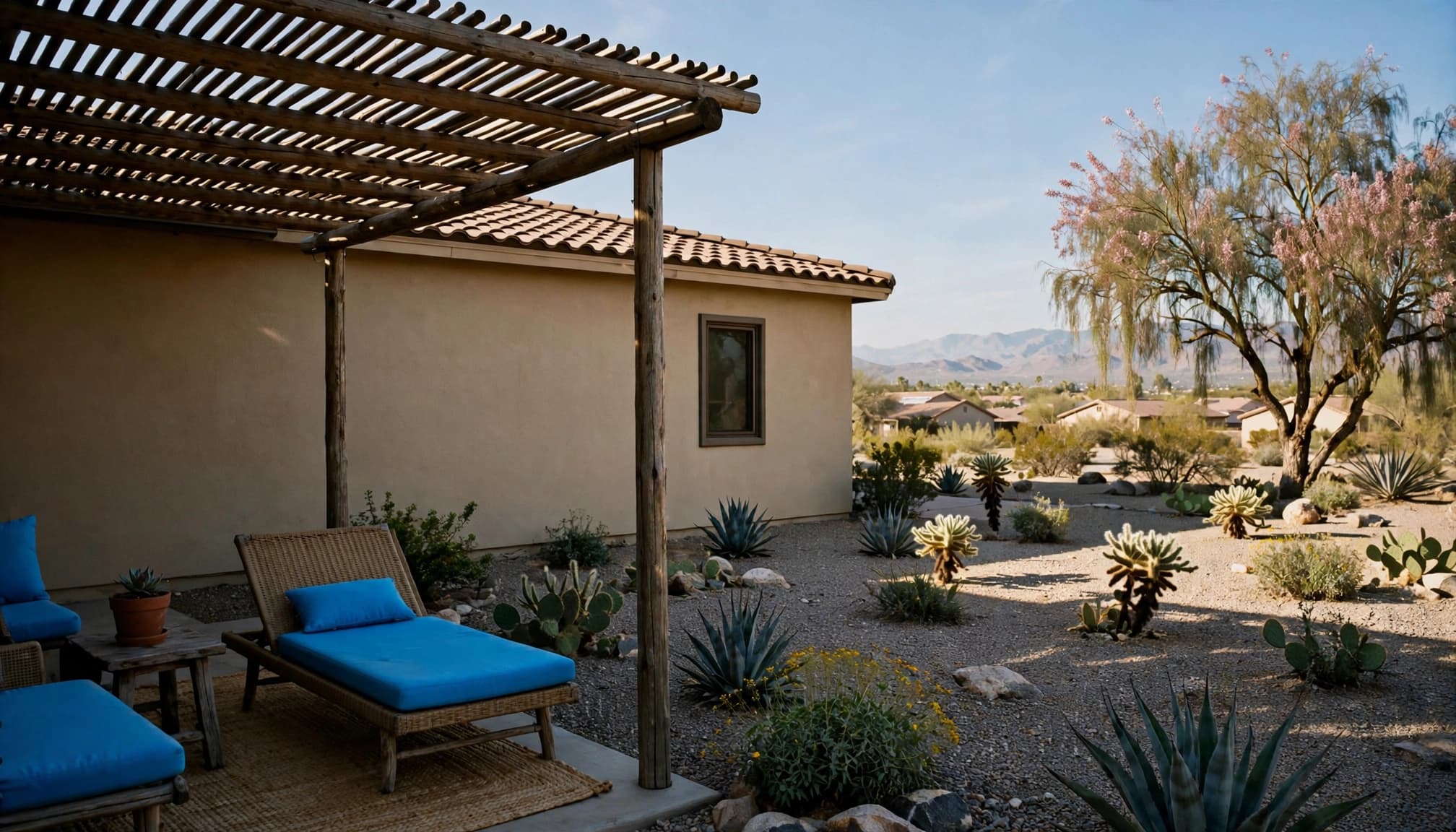
An October showing can tell you a lot. It can’t capture a property’s sun exposure across the year or show exactly how the backyard behaves in July.
Check direction and seasonal sun paths
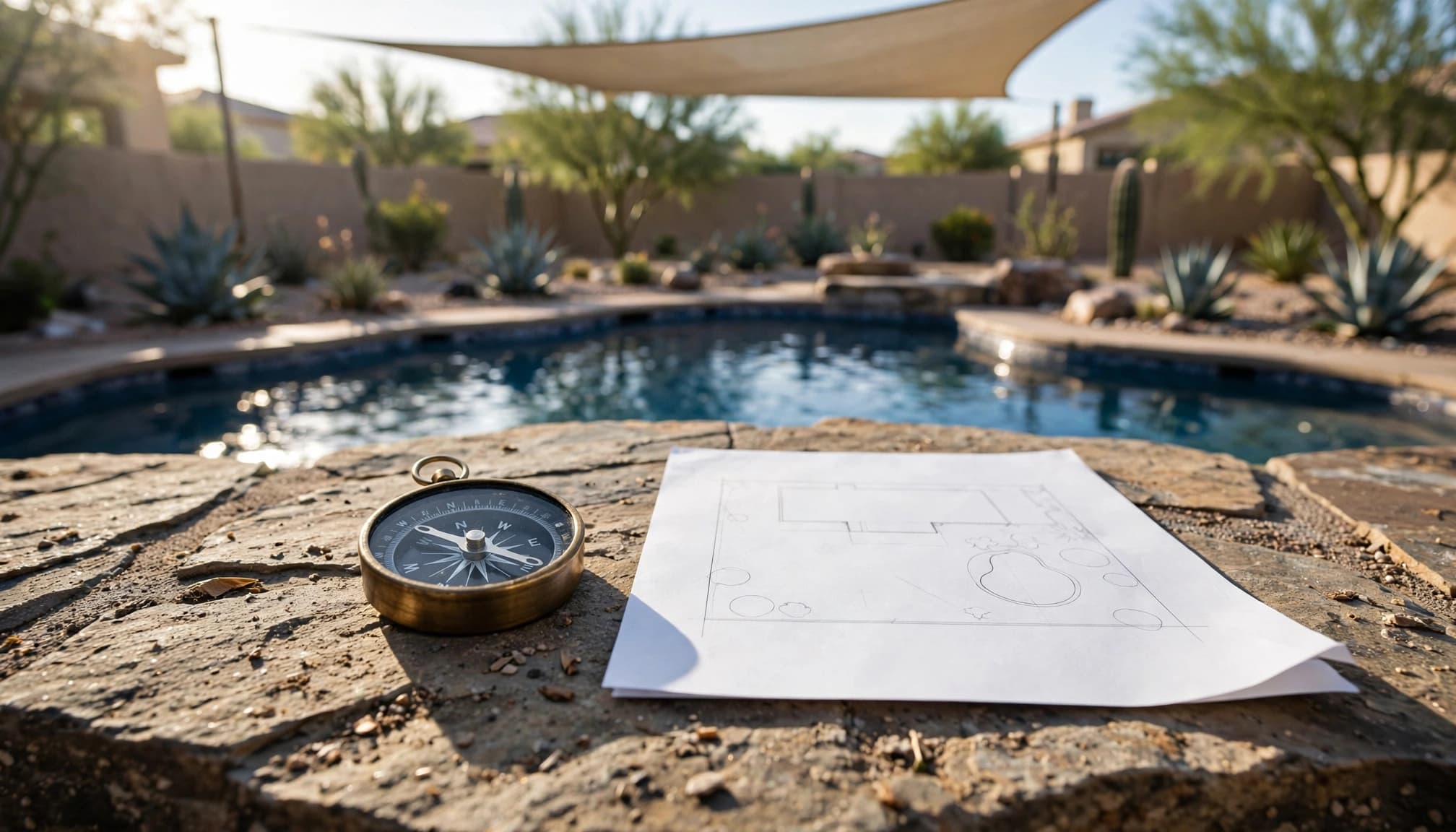
Use a phone compass outside, away from metal objects that may interfere with it. Then confirm the direction against an aerial map.
A sun-path app or map can help you compare summer and winter sun exposure. Phoenix sits near 33 degrees north latitude. Summer sun travels high and sets toward the northwest; winter sun stays lower in the southern sky.
Mark the patio, swimming pool, major windows, existing trees, and shade structures. Look at several dates rather than one summer snapshot. A spot shaded in June may receive different exposure in August or September.
Return during your likely outdoor hours
For afternoon use, return between roughly 3 and 6 p.m., adjusted for the season. Stand where your chair would go and note where afternoon sun reaches the patio.
Check glare through the rear windows. Notice whether surrounding pavement and walls remain exposed, even when the seating area is shaded. These details can help you assess whether your shade solutions are enough.
For an older parent, walk the route between the house, pool, or guest space. Look for continuous shade, steps, uneven paving, and room to move comfortably.
If you’re buying from out of state, request a dated, timed video walkthrough showing these areas. Listing photos rarely answer those questions.
Match the shade fix to the sun
This is where buyers sometimes underestimate the project. “We’ll add shade later” needs homework, especially when Phoenix landscaping and backyard shade are part of the plan.
Choose structures that block the problem exposure
Solid patio covers can address overhead sun. Pergola design matters: widely spaced slats may provide less protection than a listing photo suggests.
For western exposure, compare shade structures, exterior screens, adjustable shades, and planted canopies. An exterior screen may also support privacy ideas while intercepting low-angle sunlight. A shade sail’s placement matters as much as its size.
A patio roof can provide midday shade while leaving the same seating area exposed before dinner.
Before counting on a retrofit, get a written scope and installed quote. Ask about footings, wind loads, drainage, permits, and HOA approval. Have a qualified installer evaluate attachment points on existing structures. For larger Phoenix landscaping plans, ask a landscape designer for property-specific advice.
Choose trees for the site and the upkeep
University of Arizona Extension identifies mesquite, palo verde, and sweet acacia among desert-adapted options for the desert climate. These native plants aren’t appropriate beside every pool or wall, and ficus trees also need a site-specific assessment.
Compare mature canopy size, roots, thorns, debris, water needs, and upkeep using the Maricopa County tree reference guide. Consider whether native plants suit the property and your maintenance plans.
Existing mature shade has immediate value. A newly planted tree needs time and care. Extension’s desert-adapted plant guidance also reinforces that low-water plants still need proper planting and maintenance.
Late fall is generally favorable for planting. But if you’re moving within 60 to 180 days, plan for usable shade on arrival rather than assuming new trees will provide it.
Compare cooling costs without guessing at savings
Backyard orientation in Phoenix belongs in your buying decision. It doesn’t produce a reliable utility estimate by itself.
Look at the windows and cooling equipment
West-facing glass deserves close attention because sun exposure and exterior shade affect how much sunlight reaches it. Ask about window age, exterior shading, and available product specifications.
The Department of Energy’s energy-efficient window guide explains solar heat gain, an important consideration in a hot climate.
Then inspect the air conditioner, ducts, and attic insulation. These systems influence energy efficiency and climate control. A remodeled kitchen tells you very little about their condition.
Here in The Sheaborhood, where I live, I would evaluate two nearby homes separately. Their rooflines, windows, and existing trees can create different conditions despite sharing the same neighborhood.
Request records you can interpret
Ask for 12 months of electricity and water bills. Pay close attention to July, August, and September.
Confirm whether APS or SRP serves the address. Ask about thermostat settings, occupancy, pool equipment schedules, and irrigation. A vacant seller’s house won’t necessarily reflect your future use.
My guidance on Phoenix utility costs before buying covers the broader records to request.
If solar panels are present, review ownership, financing or lease terms, production records, and transfer obligations. The seller’s electric bill may exclude a separate solar payment.
I wouldn’t promise a particular utility-bill reduction from orientation or a proposed shade project. The house and your household determine the result.
Use the findings to shape your offer
I compare backyard orientation Phoenix buyers are considering with verified conditions and the cost of making each space work.
A west-facing yard with effective shade may better support your outdoor living spaces than an east-facing yard needing major upgrades. The question is whether you can comfortably use it and afford the complete setup.
Before settling on an offer, I’d organize the findings this way:
- Identify what already works, including sun exposure, shaded seating, protected windows, and accessible walking routes.
- Get property-specific estimates for necessary improvements and shade solutions, including approvals and installation timing.
- Compare the purchase price, recurring costs, and improvement budget with the other homes you’re considering.
For downsizers, include maintenance in that comparison. More trees can mean welcome shade, but they also create pruning and irrigation responsibilities.
Verify jurisdiction before assuming an improvement is allowed. A Scottsdale mailing address in 85254 doesn’t necessarily mean City of Scottsdale rules apply.
Needed improvements can inform your budget, but they don’t guarantee a seller credit or increase in property value. Discuss the property’s condition and comparable sales with your agent.
Keep inspection protections where possible. You don’t have to solve every issue before offering, but you should understand the likely commitment.
Frequently asked questions
Which backyard direction is best in Phoenix?
North and east often offer useful afternoon advantages. I’d still prioritize actual shade, window exposure, and your routine over a universal ranking.
Should you avoid every west-facing backyard?
No. Existing structures and mature trees may make one workable by limiting afternoon sun. Verify conditions and get estimates before relying on future improvements.
Does a south-facing patio stay shaded in summer?
It can, when roof depth and placement block the high summer sun. An uncovered south-facing yard doesn’t receive that same protection.
Can a sun map evaluate solar panels or garden beds?
It helps identify exposure and obstructions. Solar equipment needs a separate performance assessment. Garden success also depends on plant choice, soil, water, and seasonal shade.
Conclusion: Choose the yard you can comfortably use

The backyard you see during a showing should fit the life you plan to live after closing. Give verified shade more weight than a compass label or an attractive pool photo.
Check the exposure, estimate likely improvement costs, and consider recurring expenses before deciding what to offer. Orientation or shade improvements may influence property value, but neither guarantees an increase.
Choose the yard that best fits your routine, and take the time to compare your options.