Best Phoenix neighborhoods with mature trees
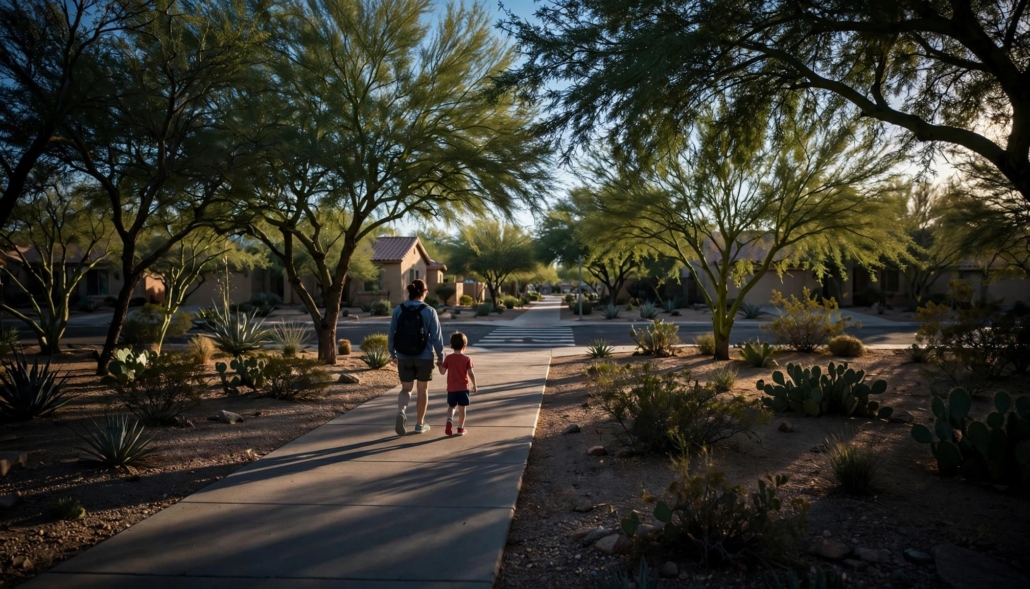
A big tree can change how a Phoenix home feels at 5:30 p.m. The same backyard that looked too sunny at noon can become the place where kids play, dogs sprawl out, and everybody stays outside a little longer.
When people ask me about Phoenix neighborhoods mature trees, they are usually asking about more than landscaping. They want a settled street, usable outdoor space, and a home that doesn’t feel like it was dropped onto a baking sheet.
Let’s walk through the areas where established shade is part of daily life, along with the trade-offs nobody should skip.
Why mature trees matter in Phoenix
Trees aren’t window dressing here. They affect the walk to school, the temperature around the driveway, and whether a front yard feels welcoming in July.
The City of Phoenix says tree canopy varies widely by census tract, from 2% to 30%, with a median of 11%. Its urban forest program has a 25% canopy goal for 2030. That tells you something important: Phoenix is not one big shade map.
Shade changes the after-school routine
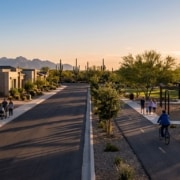
In a newer subdivision, a sidewalk may be technically walkable but still feel punishing by late spring. In an older neighborhood with established trees, you have a better shot at using it.
That matters for families. It also matters for downsizers who want a morning walk without driving to a trailhead first.
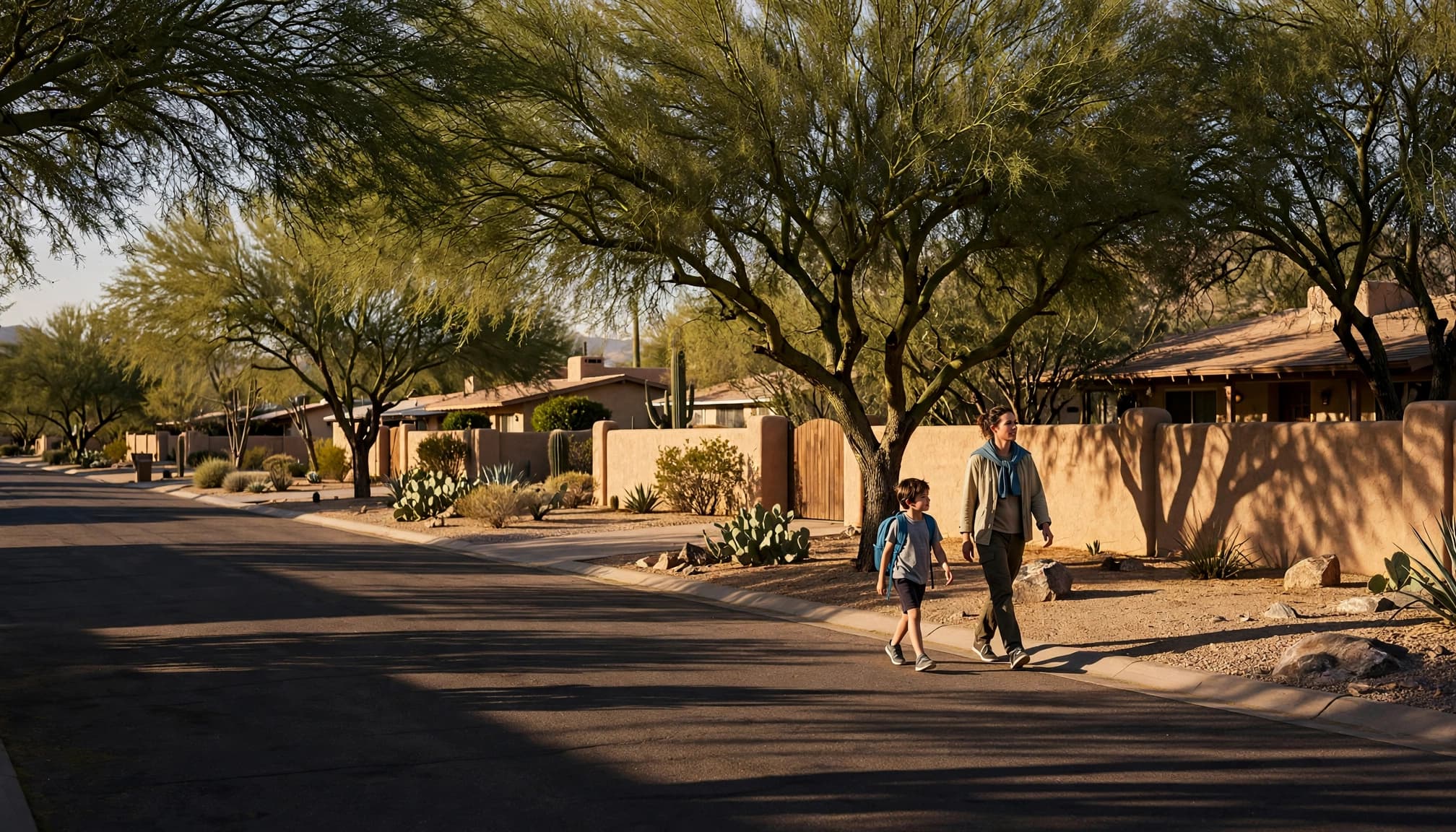
Mature trees can also shade walls, patios, and parts of the roof. They won’t turn Phoenix into Portland, sadly. But they can make a house feel less exposed.
A green listing photo proves nothing
This is where people get stuck. A listing can show one gorgeous ficus or citrus tree and make the whole property look cooler than it is.
Drive the block at different times. Walk it if you can. Look at the route from the front door to the car, mailbox, trash bins, and nearby park. Check the back patio at 4 p.m.
In Phoenix, the house may have shade while the street has none. Your life happens in both places.
Phoenix neighborhoods mature trees: the strongest picks
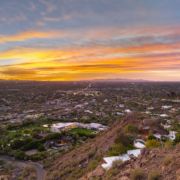
For buyers who want older homes, broad lots, and actual tree cover, Arcadia and North Central Phoenix are usually the first areas I bring up. Both have streets that feel established because they are established.
They also come with older-home homework. That part matters more than people think.
Arcadia has citrus, larger lots, and a social feel
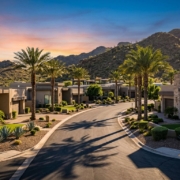
Arcadia in 85018 is the obvious answer for a reason. Many interior streets have mature citrus, palms, broad-canopy trees, and irrigation-fed landscaping. Bigger lots give those trees room to grow, which newer neighborhoods can’t fake.
Family life here can mean canal walks, nearby restaurants, Camelback views, and yards that give kids some room. The downside is price. Competition can be stiff, and plenty of homes need meaningful updating behind the pretty landscaping.
If this is on your list, my guide to living in Arcadia with kids gets into the practical trade-offs.
North Central feels calmer and more rooted
North Central Phoenix, especially 85021, has a different rhythm. Think classic ranch homes, grass, citrus, irrigation in some pockets, and long-established trees that make summer walks feel more reasonable.
Murphy’s Bridle Path is a big part of the appeal. It gives the area a walking culture that families and empty nesters both enjoy. Lots are often generous, too.
The trade-off is housing age. You may be looking at original sewer lines, older electrical panels, vintage windows, or a roof nearing the finish line. I like the shade, but I still want a careful inspection. Read more about living in North Central Phoenix before falling in love with the first big ficus you see.
The Sheaborhood offers a practical middle ground
I live in 85028, so I know the pull of the Sheaborhood. It doesn’t try to be Arcadia, and that’s fine. The area gives many buyers the established-home feel they want without automatically putting them in Arcadia’s price conversation.
Interior streets can have mature landscaping, decent-sized lots, and a comfortable family rhythm. You are also close to the 51, Tatum Boulevard, doctors, restaurants, and Scottsdale without feeling like you live in the middle of all that traffic.
The quiet blocks are worth finding
The Sheaborhood has a mix of housing eras and street conditions. Near Shea Boulevard, Cactus Road, Tatum, and 32nd Street, you will feel the traffic. A few turns into the right residential pocket, it can feel much more tucked in.
That block-by-block difference is why I don’t recommend buying from a map alone. Spend time there on a weekday afternoon. Then come back on a Saturday.
For a closer look at schools, parks, housing age, and daily routines, see my 85028 Phoenix family guide.
Older homes need a grown-up inspection
A mature yard often goes with a home built decades ago. That can be a good thing. You may get solid construction, a larger lot, and rooms that aren’t stacked on top of each other.
You may also inherit an aging HVAC system, older windows, cast-iron or aging sewer components, and a thirsty irrigation setup. Don’t let a beautiful backyard talk you out of asking hard questions.
I tell buyers to budget for the house they are buying, not the house they hope it becomes after a few weekends at the nursery.
Biltmore and Uptown make errands easier
Biltmore and Uptown Phoenix are good fits for families and downsizers who want a central address and shorter drives. Both have older residential pockets, mature landscaping in places, and access to services that can make daily life easier.
They are not identical, though.
Biltmore works for lock-and-leave buyers
Biltmore, in 85016, has a more urban mix. You will find condos, townhomes, established single-family areas, restaurants, medical offices, and major streets close by.
That can be a real plus for a downsizer who wants fewer chores and doesn’t need a huge yard. Some streets and older pockets have lovely trees. Other parts feel more exposed because the major arterials and commercial areas are right there.
If you want a house with shade but no appetite for a massive yard, Biltmore may make sense. I would still compare HOA fees, parking, stair access, and how far you are from your daily errands.
Uptown has older streets and central access
Uptown Phoenix in 85014 gives you close-in living with a mix of older homes, apartments, restaurants, and light rail access. The tree cover changes by block, but some residential streets feel far more settled than buyers expect.
The catch is that 85014 isn’t a quiet little bubble. Major roads, traffic, and density come with the location. For some families, that convenience is worth it. For others, it gets old fast.
Foothills, 85032, Paradise Valley, and 85254
These areas can offer mature landscaping, but the feel changes quickly. You need to decide whether you value older trees, nearby services, mountain access, or a low-maintenance home most.
No one ZIP code wins every category. Anybody who tells you otherwise is selling something.
Northeast Foothills and North Paradise Valley Village
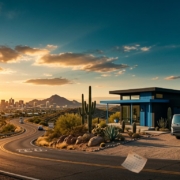
Northeast Foothills Phoenix in 85020 puts you near the mountain preserves. That’s great if hiking and views are part of your weekly routine. But desert-edge living does not automatically mean leafy shade. Many homes have native desert landscaping and more open exposure.
North Paradise Valley Village in 85032 is a mixed bag in the useful sense. You can find established subdivisions with trees and larger lots, along with busier streets and newer redevelopment. Interior streets deserve your attention.
Phoenix’s heat office and tree programs focus heavily on adding shade in lower-canopy areas. The city’s Community Canopy Grant Program is one sign that more trees are being treated as a practical heat issue, not a cosmetic one.
Paradise Valley and the Magic Zip Code
Paradise Valley, 85253, has large lots and mature landscaping in many areas. It also has higher price points, larger properties to maintain, and fewer casual walk-to-errand options. A gorgeous lot can become a lot of work after retirement.
The Magic Zip Code, 85254, has a mix of planned neighborhoods, shopping corridors, and mature private landscaping. Some subdivisions feel green and residential. Major-road frontage does not.
For both areas, I ask the same question: Do you want the land, or do you want the life that comes with caring for it?
Match the trees to the stage of life
The best Phoenix neighborhood is not the one with the tallest trees. It is the one where the house, yard, errands, and maintenance load fit your actual week.
Families may want room for bikes, dogs, sports gear, and a backyard that gets used. Downsizers may want shade without a half-acre of trimming, irrigation repairs, and pool equipment.
Use the 10-minute test
When you visit a home, take 10 minutes after the showing. Park nearby and notice what happens around you.
- Walk the nearest sidewalk and see where the shade actually falls.
- Drive to the grocery store, doctor, school, or favorite coffee spot.
- Look for mature trees on the whole block, not only inside one fenced yard.
- Ask about irrigation, tree care, drainage, roof debris, and root systems near hardscape.
- Visit at a busier time if the home sits near Shea, Tatum, Camelback, 16th Street, or another major route.
That little bit of homework can save you from buying a pretty picture instead of a workable home.
Don’t confuse mature landscaping with easy upkeep
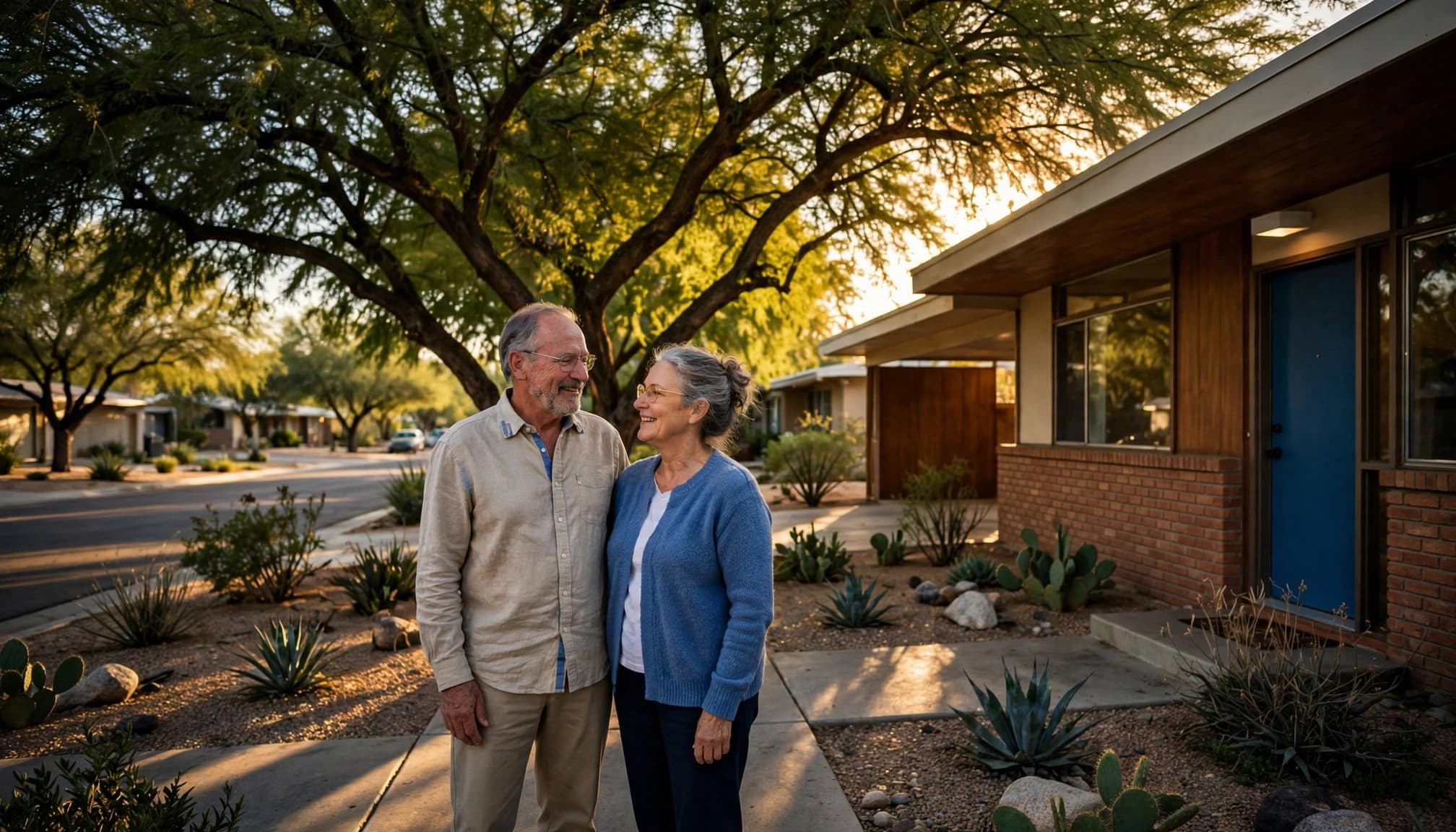
Large trees need pruning, water, and attention after windstorms. Citrus drops fruit. Palm fronds don’t pick themselves up. Irrigation leaks can hide underground for a while.
A good arborist and a solid home inspector can help you understand what you are taking on. Research published in Arboriculture & Urban Forestry has also looked at tree health and mortality in the Phoenix basin, which is a good reminder that mature trees are living systems, not permanent scenery.
A shaded street is worth shopping for
The strongest Phoenix neighborhoods mature trees tend to be older areas where lots, irrigation, and time gave landscaping a chance to grow. Arcadia and North Central lead that conversation. The Sheaborhood gives many families a practical, established option. Biltmore, Uptown, 85020, 85032, Paradise Valley, and 85254 each fit the right person.
Don’t rush the decision because a yard looks great in listing photos. Spend time on the street, check the house honestly, and picture an ordinary Tuesday in July. That is where the right neighborhood starts to become clear.