
Phoenix sewer line inspection: Before-closing checklist
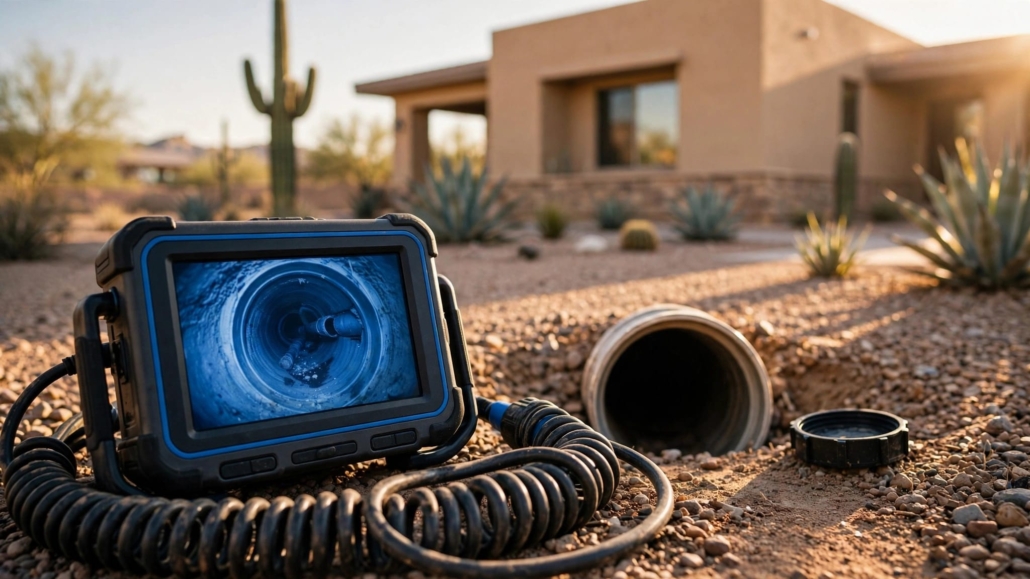
I’d rather see you pay for a Phoenix sewer line inspection than inherit a repair nobody checked. A beautiful kitchen tells you very little about the pipe buried beneath the yard.
If you’re relocating or helping a parent downsize, this is one more decision on an already busy list. My advice is simple: get the underground plumbing checked while you still have time to evaluate the findings.
Let’s walk through what to book, what to request, and how to handle a problem without panicking.
Key takeaways
- Book a sewer camera inspection early in your contract’s inspection period, rather than waiting for the final walkthrough.
- Request the recording, a written report, and confirmation of how much pipe was inspected.
- Compare inspection quotes by what’s included, especially reporting, locating, and access charges.
- If damage appears, get a written repair scope and verify responsibility before negotiating with the seller.
Book the scope before inspection deadlines
Leave room for a second opinion
Many Arizona resale contracts use a 10-day inspection period, unless the parties change it. Your signed contract controls.
I recommend scheduling the sewer camera inspection near the beginning of that window. You may need time for access arrangements, cleaning, another inspection, or a repair estimate.
Finding a defect on the last afternoon leaves you with fewer comfortable choices. Your agent should track the applicable notice deadlines and help you document requests correctly.
For relocating buyers, my guidance on buying a Phoenix home sight unseen covers the broader inspection protections worth keeping.
Don’t assume the general inspection includes it
A home inspector can run fixtures and perform a plumbing inspection of visible components. That doesn’t establish the condition of buried sewer piping.
Ask whether a recorded sewer scope inspection is included, available separately, or handled by another specialist. My Phoenix home inspection checklist helps you separate the general inspection from additional evaluations.
I also want the seller’s disclosure statement, prior plumbing invoices, and any records of backups or recurring drain cleaning. A recent cleaning receipt doesn’t prove the pipe is sound.
What a Phoenix sewer line inspection should include
Confirm access and the inspection endpoint
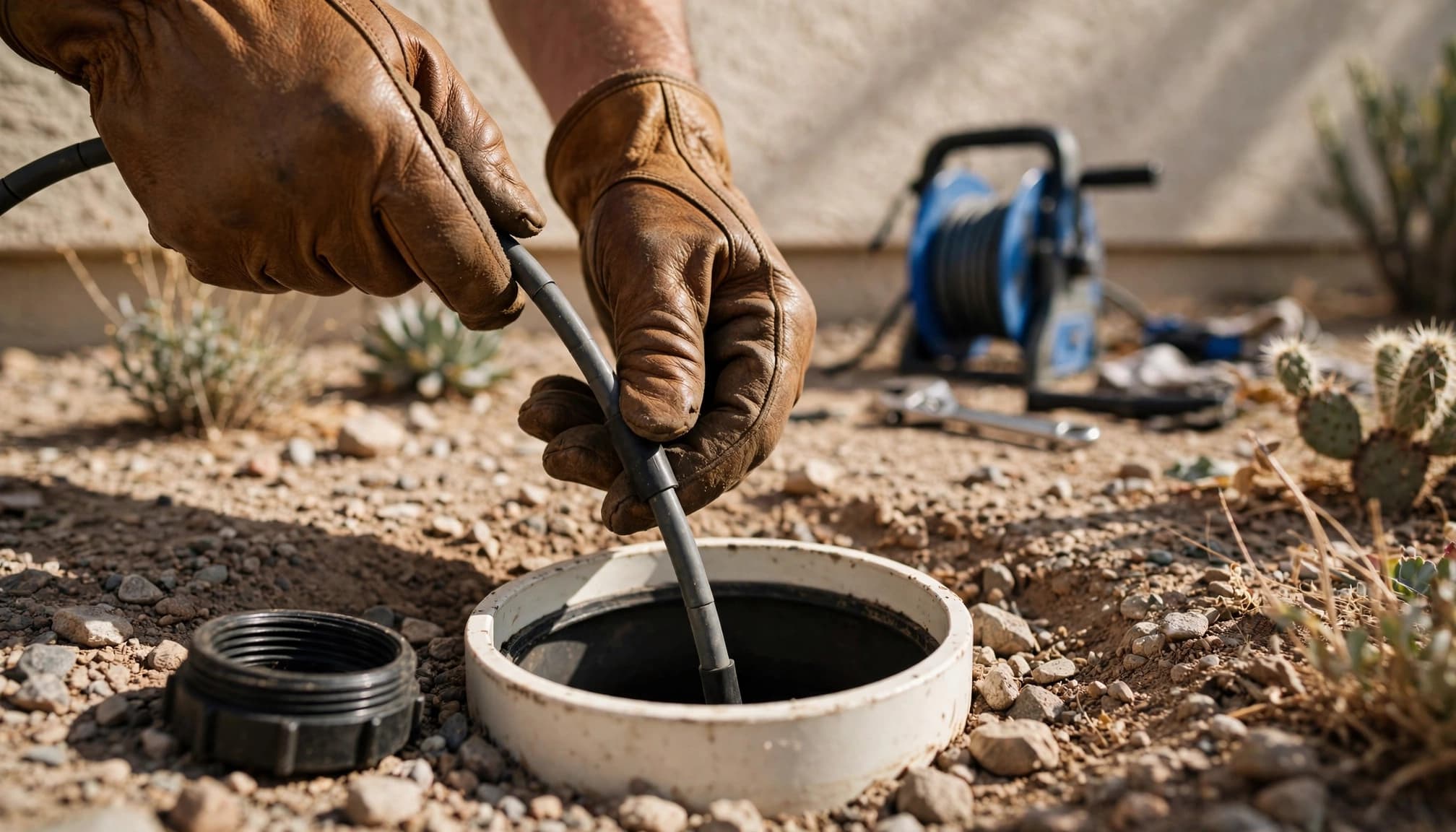
A sewer camera inspection, also called a sewer scope inspection, uses a camera fed through an accessible opening, often an outdoor cleanout. The inspector examines the line toward the public sewer connection.
Before booking, ask where the camera will enter and whether the anticipated route can be inspected completely. Don’t authorize removing a toilet or other access work without clarifying the cost and getting seller approval.
If the camera stops at a blockage, the remaining pipe hasn’t been evaluated. The report should state that limitation plainly.
A scope is generally non-destructive. It shouldn’t require digging just to view accessible piping.
Ask for evidence you can keep
I want the complete recording and a written report from the video inspection. A verbal “looks fine” isn’t enough for a purchase decision.
The report should identify the observed pipe material, defects, approximate distances, and inspection endpoint. Ask whether electronic locating is included when a problem appears.
Arizona Sewer Scope, for example, describes video and written reporting separately from locating services. Other providers advertise report delivery within 24 or 48 hours. Confirm your provider’s turnaround before scheduling.
Also ask about branches serving additions or a casita. Inspecting one route doesn’t establish the condition of every connected drain in the plumbing system.
Older Phoenix homes deserve property-level checks
In the Sheaborhood, 85028, an updated interior may sit above plumbing that wasn’t part of the renovation. It can’t confirm buried pipe condition or rule out sewer line issues. I keep that same question on the list in North Central Phoenix, Arcadia, and Uptown.
Ask what “updated plumbing” means. Routine maintenance, new fixtures, or supply-pipe replacement doesn’t confirm that the underground sewer was replaced or is sound.
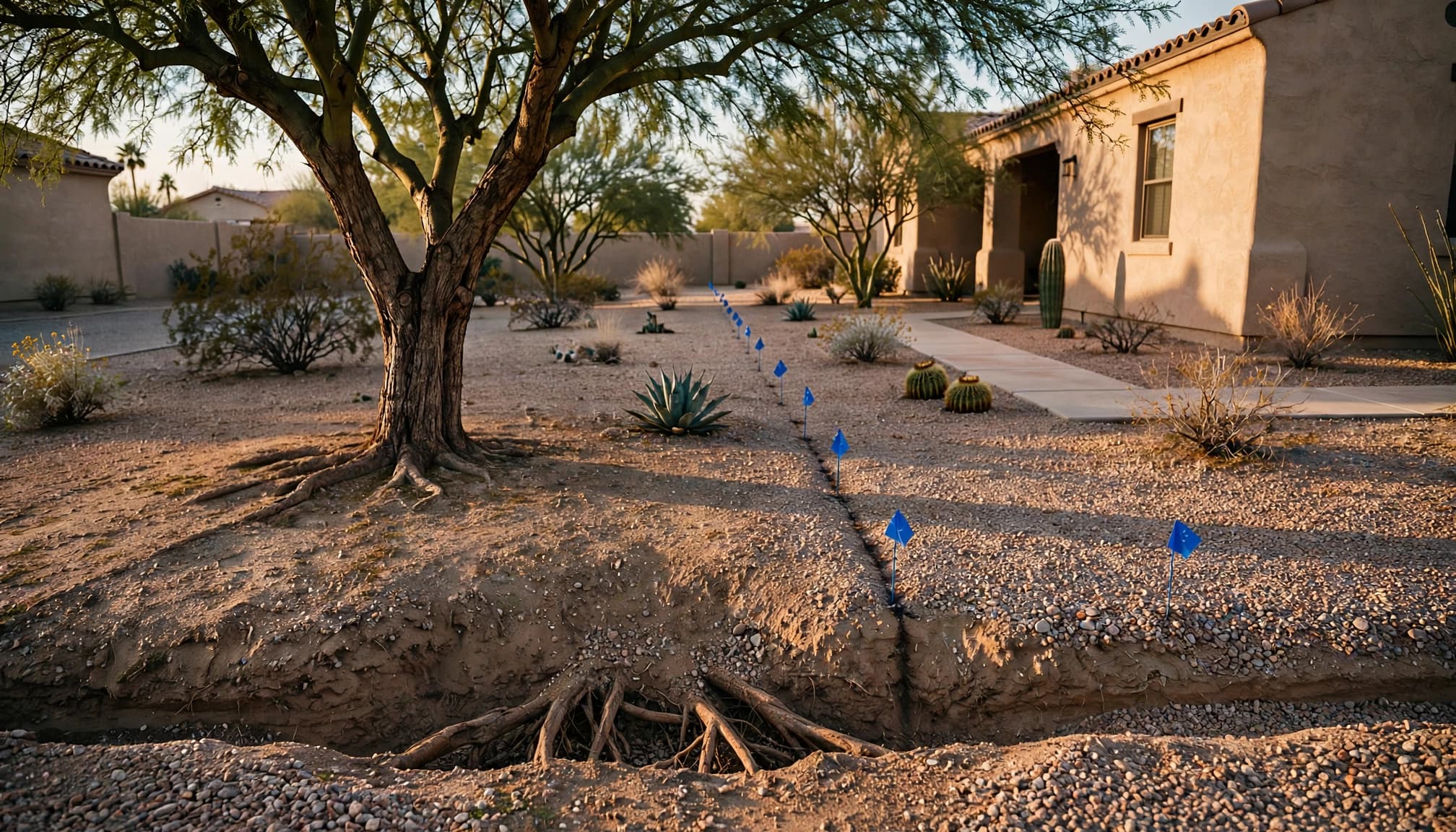
A camera can reveal roots, cracked pipe, offset joints, buildup, or standing water that warrants further evaluation. Older clay or cast-iron piping deserves assessment based on its observed condition, rather than age alone.
Desert landscaping doesn’t eliminate root intrusion concerns. Mature shade trees and citrus trees still belong in the conversation.
I also ask about irrigation leaks and yard drainage. Those deserve separate checks, but they don’t prove sewer damage. Likewise, a camera image alone usually can’t establish whether soil movement, installation, or another factor caused a defect.
Boring, property-by-property inspection work is your friend here.
Compare inspection prices by the actual service
Published provider prices offer a starting point for a Phoenix sewer line inspection, not a binding quote.
| Provider | Published inspection price |
|---|---|
| Rapid Rooter Plumbing | $250 to $400 standalone |
| AZ Property Inspections | $335 |
| Arizona Home Inspection Services | Starting at $325 |
| Scottsdale Desert Inspections | $150 to $400 |
These figures aren’t necessarily equivalent packages. I would compare the written inclusions before choosing the lowest number.
Ask whether the fee covers the recording, written report, travel, and defect locating. Clarify charges for difficult access, cleaning, or a return visit if the camera can’t pass.
Some providers estimate 30 to 60 minutes on-site; others allow 30 to 90 minutes. Access and line conditions affect that schedule. Report delivery may happen later.
Be careful with a “free inspection” tied to repair sales. Ask what evidence you’ll receive and whether you can use the report to obtain another estimate.
My preference is straightforward: pay for a clear diagnosis, then evaluate any repair recommendation on its own merits.
Check who is doing the work
A camera-only inspection and a sewer repair aren’t the same service. Don’t assume every scope technician needs a plumbing-contractor license.
For proposed repairs, check the company’s current Arizona Registrar of Contractors record. Confirm its classification covers the work, and verify the business name, status, bond information, and complaint history. Licensed plumbers should hold the appropriate Arizona license classification, but camera-only technicians may not need a plumbing-contractor license.
The ROC’s contractor licensing requirements explain the licensing process. An active contractor license and bond aren’t substitutes for proof of general liability insurance. Ask for that separately.
Also ask who interprets the footage. Someone should be able to explain the defect, location, and limits of the inspection without immediately pushing replacement.
If you’re helping an older parent move, request an emailed report you can review together. Nobody should have to make a repair decision while standing beside a camera reel in the driveway.
Turn the findings into a closing decision
Separate maintenance from structural damage
Roots or buildup may call for sewer cleaning followed by another scope. Cleaning can restore access, but it doesn’t repair a cracked pipe or separated joint.
Standing water needs interpretation, too. Ask how much of the pipe is affected and whether the inspector recommends additional evaluation. Don’t accept a major replacement recommendation based on an unexplained screenshot.
When the camera can’t finish the route, I consider the condition unresolved. Request a plan to complete the inspection.
A successful drain cleaning proves that flow improved. It doesn’t prove the underlying pipe defect was repaired.
Get a complete repair scope
Before negotiating, get a written sewer line repair scope with the defect location, proposed method, and restoration costs. As you evaluate the proposed plumbing repairs, confirm the contractor holds the appropriate Arizona license classification for the work.
Ask about excavation, landscaping, hardscape, permits where required, and post-repair verification. Those details can change the total considerably.
Trenchless sewer repair, including lining or pipe bursting, may reduce excavation, but suitability depends on the pipe, access, and defect. A sagging section may need excavation to correct its slope.
Then discuss seller repairs, a credit, or other contract options with your agent and lender. A credit leaves you managing the work after closing, which may be an uncomfortable trade-off for a downsizing parent.
If the seller completes sewer line repair before closing, request invoices, warranty terms, applicable permit documentation, and a new recording.
Verify sewer responsibility at the exact address
Here’s what most people don’t realize: responsibility isn’t always a simple property-line rule.
Phoenix City Code Section 28-5 generally places cleaning, unstopping, and maintenance of building-connection piping on property owners. It also provides an exception for certain broken sections in the public right-of-way serving single-family or duplex properties.
Section 28-5.1 addresses city location verification. Sewer line issues near the street don’t automatically qualify for city repair.
Phoenix Water Services doesn’t inspect plumbing inside homes or businesses. A private inspection remains part of your due diligence.
For Paradise Valley and Scottsdale properties, verify the actual sewer provider and its rules. In 85254, a Scottsdale mailing address doesn’t automatically establish Scottsdale municipal service.
I also confirm whether the property uses public sewer or septic. A sewer scope isn’t a substitute for a septic-system evaluation.
Frequently asked questions
Is a sewer scope legally required before closing?
Don’t assume a sewer scope inspection is mandatory. I recommend it as buyer due diligence, especially when underground plumbing history is unclear. Your signed contract determines inspection rights and deadlines.
What symptoms justify extra attention?
Repeated backups, several slow drains, gurgling, and recurring cleaning deserve investigation. A general plumbing inspection isn’t a substitute for evaluating buried sewer piping, and normal drainage doesn’t rule out defects.
How often should the line be inspected afterward?
There isn’t one schedule that fits every home. Ask the inspecting professional how often to inspect the line as part of routine maintenance, based on pipe condition, repair history, roots, and unresolved defects.
Does a clean recording guarantee no future problems?
No inspection guarantees future performance. A recording documents visible conditions along the accessible route at that time. Confirm that the report identifies any uninspected sections or visibility limits.
Conclusion: Know the pipe before owning the problem

I want you to buy the home with a clear understanding of the repairs you’re accepting. A recorded scope and a complete estimate give you better information before committing.
An older sewer line doesn’t automatically make a house a bad purchase. Unanswered questions make the decision harder than it needs to be.
If you’re weighing inspection findings in the Sheaborhood or another established Phoenix neighborhood, I’m happy to help you talk through the trade-offs.